Performed by Dr. Ravi Chandra Reddy Obili at Dr Ravi Chandra Reddy
Liver transplantation in Visakhapatnam is a life-saving surgical procedure for patients with end-stage liver disease or acute liver failure. This complex procedure involves replacing a diseased liver with a healthy liver from a deceased or living donor, restoring normal liver function and significantly improving quality of life. Dr Ravi Chandra Reddy Obili, an experienced surgical gastroenterologist, provides comprehensive transplant evaluation and post-operative care for patients requiring liver transplantation.
We believe in honest, upfront disclosure so you can make an informed decision.
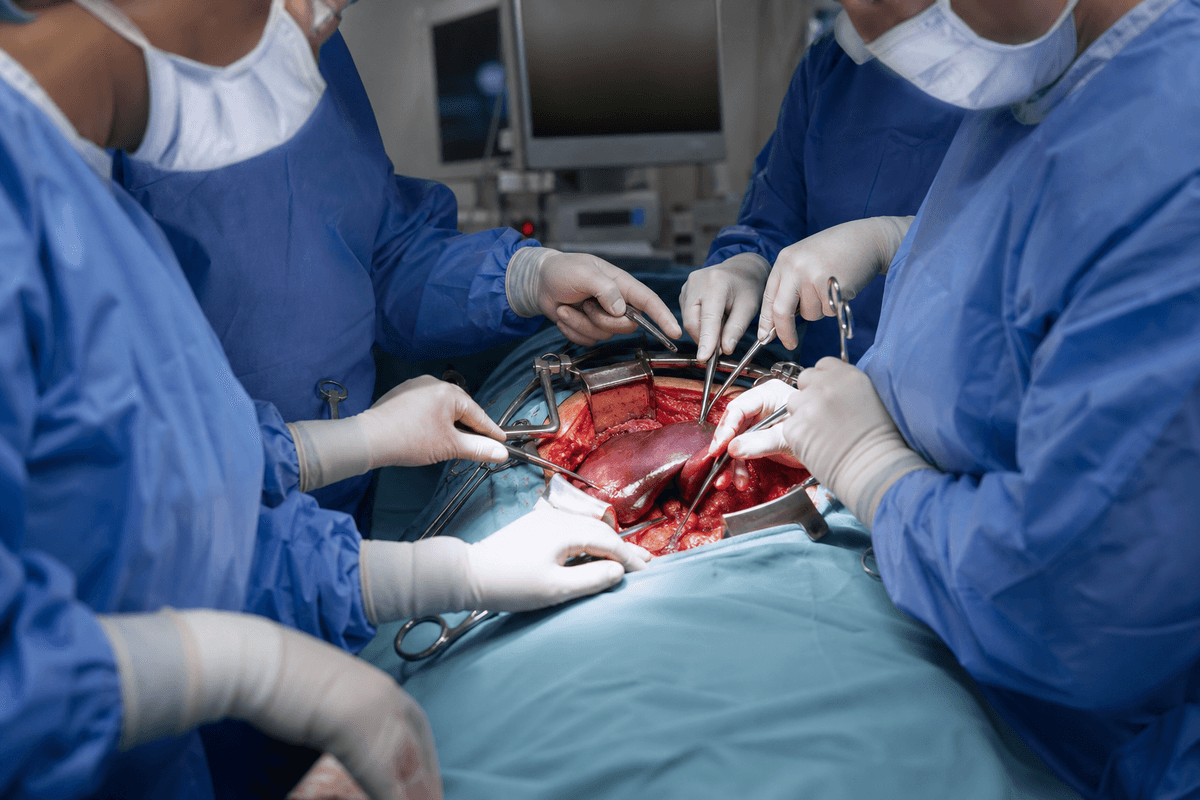
A step-by-step look at what happens during this procedure.
A healthy liver is obtained from a deceased donor or a portion from a living donor. The organ is carefully preserved and transported to the transplant center for immediate use.
The patient is placed under general anaesthesia and prepared for surgery. Intravenous lines, monitoring equipment, and life support systems are established.
The diseased liver is carefully dissected and removed while preserving critical blood vessels and bile ducts. Blood flow is temporarily redirected to maintain circulation during the procedure.
The donor liver is placed in the anatomical position and blood vessels are meticulously connected. Hepatic artery, portal vein, and hepatic veins are anastomosed to restore blood flow.
The bile duct is reconstructed to allow drainage of bile from the new liver. The abdomen is closed after ensuring proper hemostasis and organ function.
A structured, patient-first approach from first consultation to full recovery.
Dr Ravi Chandra Reddy conducts comprehensive assessment including liver function tests, imaging studies, and multidisciplinary evaluation to determine transplant candidacy and optimize patient condition before surgery.
Utilizing advanced surgical techniques and state-of-the-art equipment, Dr Ravi Chandra Reddy performs the complex transplant procedure with meticulous attention to vascular anastomosis and bile duct reconstruction for optimal outcomes.
Patients receive dedicated ICU monitoring with continuous assessment of graft function, immunosuppression management, and early detection of complications to ensure successful recovery.
Dr Ravi Chandra Reddy provides comprehensive long-term care including regular monitoring of liver function, immunosuppression adjustment, surveillance for rejection, and management of complications to ensure sustained graft survival.
What to expect at each stage of your recovery journey.
Intensive monitoring in ICU followed by step-down care with focus on graft function, immunosuppression initiation, infection prevention, and management of surgical complications. Patients gradually regain strength with physiotherapy and nutritional support.
Transition to outpatient care with frequent follow-up visits for liver function monitoring, immunosuppression adjustment, and surveillance for rejection or infection. Patients progressively increase activity levels while adhering to medication regimens and dietary modifications.
Continued monitoring with regular blood tests, imaging studies, and clinic visits to ensure sustained graft function. Lifelong immunosuppression is required with periodic adjustments based on liver function and surveillance for late complications including cancer screening.
Successful transplantation results in normalization of liver enzymes, synthetic function, and metabolic processes, eliminating symptoms of liver failure and improving overall health status.
Patients experience significant improvement in energy levels, mental clarity, nutritional status, and ability to perform daily activities, with resolution of complications like ascites and hepatic encephalopathy.
Liver transplantation offers excellent long-term survival rates with 85-90% one-year and 70-75% five-year survival, providing years of additional life for patients with end-stage liver disease.
Many underlying liver conditions are cured by transplantation, including cirrhosis, hepatocellular carcinoma within criteria, metabolic disorders, and acute liver failure, preventing disease progression.
Let's clear up some of the most common myths about liver transplantation.
Get a personalised assessment from an experienced specialist. Understand your options, ask your questions, and decide with confidence.