Treated by Dr. Ravi Chandra Reddy Obili at Dr Ravi Chandra Reddy
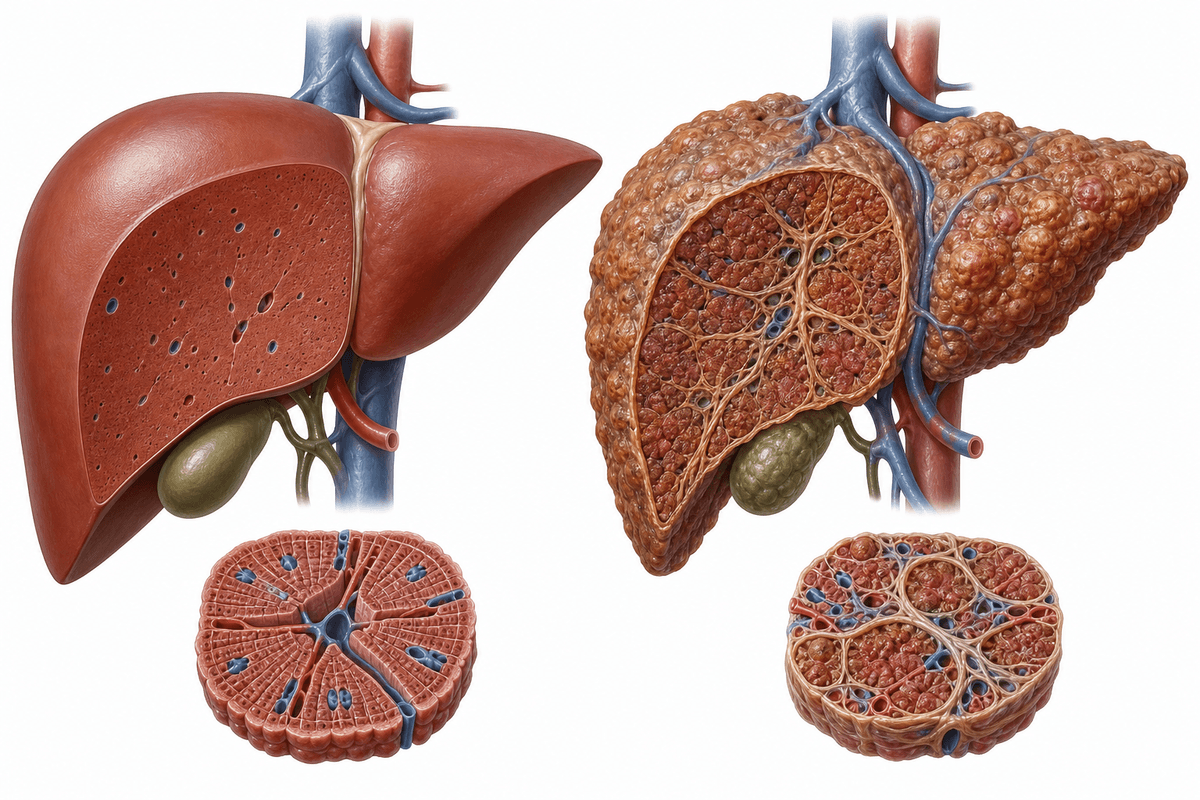
Cirrhosis is a progressive liver condition characterized by extensive scarring and impaired liver function, affecting many patients in Visakhapatnam who require specialized gastroenterological care. This chronic liver disease results from long-term damage and can lead to serious complications including liver failure, portal hypertension, and increased cancer risk. Dr Ravi Chandra Reddy Obili provides comprehensive surgical and medical management for cirrhosis patients, utilizing advanced diagnostic techniques and evidence-based treatment protocols.
Early stage where the liver maintains most of its functions despite scarring. Patients may have minimal or no symptoms, and liver tests may show only mild abnormalities. This stage can remain stable for years with proper management and lifestyle modifications.
Advanced stage characterized by loss of liver function and development of complications such as ascites, variceal bleeding, hepatic encephalopathy, and jaundice. This stage requires intensive medical management and often consideration for liver transplantation.
Cirrhosis where the underlying cause cannot be identified despite thorough investigation. May result from previously unrecognized non-alcoholic fatty liver disease, resolved viral hepatitis, or other occult liver conditions. Management focuses on preventing progression and treating complications.
Multiple factors can contribute to the development and progression of this condition.
Cirrhosis develops gradually. Recognising symptoms early gives you more treatment options.
From conservative to surgical — we always start with the least invasive option first.
A structured, patient-first approach from first visit to full recovery.
Dr Ravi Chandra Reddy Obili conducts thorough assessment including detailed history, physical examination, liver function tests, viral markers, imaging studies (ultrasound, CT, MRI), and when necessary, liver biopsy with elastography to determine cirrhosis stage and identify underlying etiology.
Based on the cirrhosis stage, underlying cause, and presence of complications, Dr Obili develops an individualized treatment strategy addressing the specific needs of each patient, including medical management, endoscopic interventions, and evaluation for advanced therapies including transplantation.
Dr Ravi Chandra Reddy implements evidence-based protocols for preventing and managing cirrhosis complications including variceal bleeding prophylaxis, ascites control, hepatic encephalopathy treatment, and hepatocellular carcinoma surveillance with regular imaging and alpha-fetoprotein monitoring.
Dr Obili provides continuous monitoring through regular clinic visits, laboratory assessments, imaging surveillance, and coordination with hepatologists, nutritionists, and transplant teams to ensure optimal disease management, early complication detection, and timely intervention when needed.
What to expect at each phase of recovery.
Focus on controlling acute complications such as bleeding, ascites, or encephalopathy through hospitalization if needed, medication adjustments, and dietary modifications. Patients receive education on disease management, medication compliance, and lifestyle changes essential for preventing disease progression.
Regular outpatient follow-up every 3-6 months with laboratory tests, imaging studies, and endoscopic surveillance as indicated. Patients continue medications, maintain dietary restrictions, and undergo hepatocellular carcinoma screening. Adjustments to treatment are made based on disease progression and response to therapy.
Ongoing surveillance for complications, optimization of medical therapy, and quality of life assessment. For transplant candidates, continuous evaluation of transplant eligibility and MELD score monitoring. Patients maintain close communication with the healthcare team and promptly report new symptoms or concerns.
With appropriate treatment of underlying causes and adherence to medical therapy, many patients achieve stabilization of liver function and prevention of further scarring, particularly in compensated cirrhosis stages with early intervention.
Effective management strategies including beta-blockers, endoscopic surveillance, and diuretic therapy significantly reduce the risk of variceal bleeding, spontaneous bacterial peritonitis, and hepatorenal syndrome, improving survival and quality of life.
For patients with decompensated cirrhosis or hepatocellular carcinoma, liver transplantation offers excellent long-term outcomes with 5-year survival rates exceeding 70-80%, providing opportunity for normal liver function and quality of life restoration.
Comprehensive management addressing symptoms, nutritional status, and psychological support enables patients to maintain functional independence, continue productive activities, and experience symptom relief even when cure is not possible, particularly in compensated disease stages.
Untreated cirrhosis inevitably progresses to life-threatening complications including liver failure, uncontrolled variceal bleeding, severe infections, kidney failure, and hepatocellular carcinoma. Decompensated cirrhosis without treatment has a median survival of only 2 years, with patients experiencing progressive debilitation, frequent hospitalizations, and eventual death from liver-related complications. Early intervention and consistent management are essential to prevent these devastating outcomes.
Seek immediate medical attention if you experience vomiting blood, black tarry stools, severe abdominal pain and swelling, confusion or altered consciousness, or progressive yellowing of skin and eyes. Individuals with risk factors such as chronic alcohol use, viral hepatitis, fatty liver disease, or family history of liver disease should undergo regular screening and consult Dr Ravi Chandra Reddy Obili for comprehensive liver health assessment and early detection of cirrhosis before complications develop.
Early treatment means more options and better outcomes. Book a consultation to understand your condition and explore the right path forward.