Treated by Dr. Ravi Chandra Reddy Obili at Dr Ravi Chandra Reddy
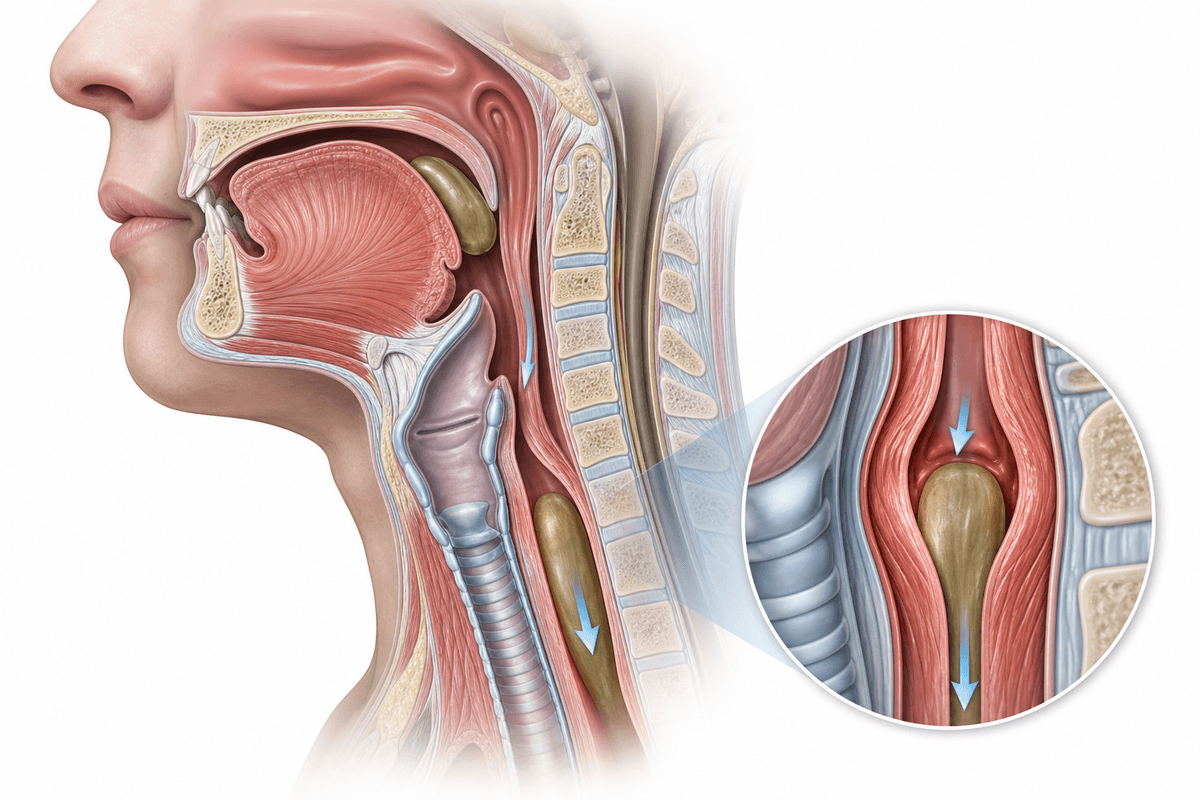
Swallowing disorders, also known as dysphagia, affect individuals in Visakhapatnam across all age groups, making it difficult or painful to move food or liquid from the mouth to the stomach. These conditions can result from various underlying causes including neurological conditions, structural abnormalities, or gastroesophageal issues. Dr Ravi Chandra Reddy Obili provides comprehensive evaluation and treatment for patients experiencing swallowing difficulties.
Difficulty initiating swallowing at the throat level, often caused by neurological conditions, muscle weakness, or structural abnormalities affecting the mouth and throat. Patients typically experience problems in the early phases of swallowing with food sticking in the throat.
Difficulty occurs after swallowing has been initiated, with food or liquid getting stuck in the esophagus. Caused by structural problems like strictures, tumors, or motility disorders affecting the esophageal muscles and sphincters.
Sensation of difficulty swallowing without identifiable structural or motility abnormalities on diagnostic testing. Often associated with anxiety, stress, or other psychological factors, though symptoms are genuine and can significantly impact quality of life.
Multiple factors can contribute to the development and progression of this condition.
Swallowing disorders develops gradually. Recognising symptoms early gives you more treatment options.
From conservative to surgical — we always start with the least invasive option first.
A structured, patient-first approach from first visit to full recovery.
Dr Ravi Chandra Reddy Obili conducts detailed history taking and physical examination, followed by upper endoscopy, barium swallow studies, and esophageal manometry to identify the exact cause and location of swallowing difficulty.
Based on diagnostic findings, Dr Obili develops an individualized treatment plan that may involve dietary modifications, medication management, or procedural interventions, coordinating with speech therapists and nutritionists as needed.
Dr Ravi Chandra Reddy Obili performs advanced endoscopic procedures including dilation, botulinum toxin injections, or stent placement when appropriate, utilizing the latest techniques to minimize discomfort and recovery time.
For patients requiring surgical intervention, Dr Obili performs laparoscopic procedures with precision, followed by structured post-operative care and long-term monitoring to ensure optimal swallowing function and prevent complications.
What to expect at each phase of recovery.
Following endoscopic or surgical treatment, patients are monitored for complications and gradually advance from liquid to soft diet as tolerated. Pain management and anti-reflux medications are provided as needed during the first 1-2 weeks.
Over 2-6 weeks, patients work with speech therapists to optimize swallowing techniques and gradually expand their diet. Regular follow-up appointments assess healing and symptom improvement, with adjustments to treatment as necessary.
After initial recovery, patients continue dietary modifications as needed and attend periodic follow-up evaluations. Endoscopic surveillance may be recommended for certain conditions, and patients learn to recognize warning signs requiring prompt medical attention.
Most patients experience significant improvement in ability to swallow both solids and liquids comfortably, with reduced episodes of choking or food impaction after appropriate treatment.
With restored ability to eat normally, patients regain weight, improve nutritional markers, and experience better overall health and energy levels, reducing the need for supplemental nutrition.
Effective treatment substantially decreases the risk of aspiration pneumonia and respiratory complications, preventing serious infections and hospitalizations that can occur with untreated dysphagia.
Patients report improved social functioning and psychological well-being as they can participate in meals with family and friends without anxiety or embarrassment about swallowing difficulties.
Untreated swallowing disorders can lead to serious complications including malnutrition, dehydration, and significant weight loss that weakens the body's ability to function. Recurrent aspiration of food or liquid into the lungs causes pneumonia, which can be life-threatening, especially in elderly patients. Progressive dysphagia may indicate underlying conditions like cancer that require urgent diagnosis and treatment.
Seek immediate medical attention if you experience sudden onset of complete inability to swallow, severe chest pain with swallowing, or if food becomes lodged in the esophagus. Consult Dr Ravi Chandra Reddy Obili if you have persistent difficulty swallowing lasting more than a few days, unintentional weight loss, recurrent coughing or choking during meals, or a sensation of food sticking in your throat or chest. Early evaluation and treatment can prevent complications and improve outcomes significantly.
Early treatment means more options and better outcomes. Book a consultation to understand your condition and explore the right path forward.