Performed by Dr. Ravi Chandra Reddy Obili at Dr Ravi Chandra Reddy
Advanced laparoscopic gastrointestinal surgery is a minimally invasive approach to treat conditions affecting the digestive system, from the oesophagus to the colon and rectum. Through small incisions, a camera and specialised instruments allow the surgeon to perform complex procedures with reduced tissue trauma. Dr Ravi Chandra Reddy performs these procedures in Maharanipeta, offering patients access to modern surgical techniques for a range of digestive disorders.
We believe in honest, upfront disclosure so you can make an informed decision.
A step-by-step look at what happens during this procedure.
You receive general anaesthesia and are positioned on the operating table. The abdomen may be tilted to improve access to the area being treated.
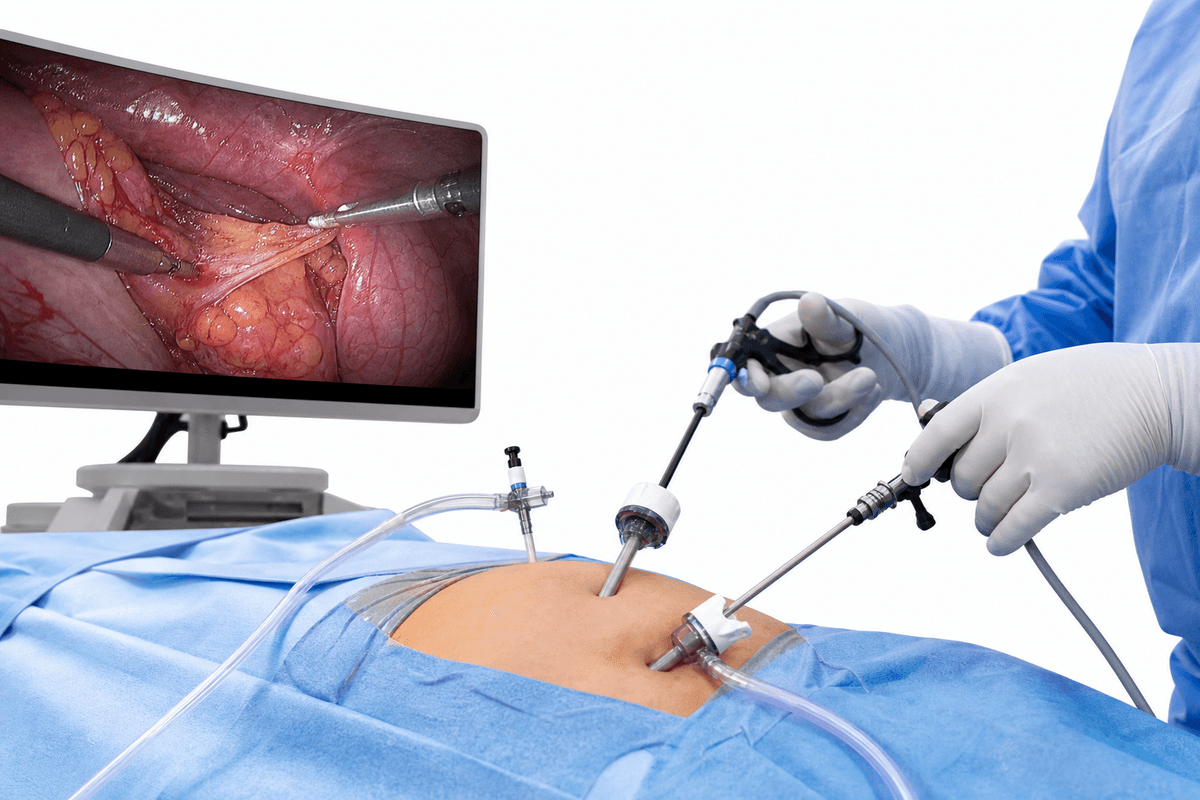
Several small incisions, usually between 5 and 12 millimetres, are made in the abdominal wall. Trocars are inserted through these openings.
Carbon dioxide gas is introduced into the abdominal cavity to create space and improve visibility of the organs.
A laparoscope with a camera is inserted, projecting images onto a monitor. Specialised surgical instruments are introduced through the other ports.
The surgeon performs the necessary steps, which may include removing diseased tissue, repairing structures, reconnecting bowel segments, or addressing hernias. The procedure is guided by the camera view throughout.
A structured, patient-first approach from first consultation to full recovery.
Dr Ravi Chandra Reddy reviews imaging, medical history, and performs a clinical examination to determine if laparoscopic surgery is appropriate and to plan the approach.
Each procedure is planned based on the individual condition, anatomy, and any previous surgeries, selecting the techniques and port placements that suit the case.
If unexpected findings arise or if laparoscopic access proves unsafe, the procedure may be converted to an open operation to prioritise patient safety.
After surgery, recovery is monitored closely, with instructions on diet, activity, wound care, and follow-up appointments to support healing and address any concerns.
What to expect at each stage of your recovery journey.
You may have drains, catheters, or intravenous lines in place. Pain is managed with medication. Walking is encouraged soon after surgery to reduce clot risk and promote bowel function. Diet is advanced gradually based on tolerance.
Rest is important, but gentle activity such as short walks helps recovery. Avoid heavy lifting and strenuous activity. Incision sites should be kept clean and dry. Bowel function may take time to return to normal.
Energy levels improve, and most daily activities can resume. Return to work depends on the nature of your job and the complexity of the surgery. Follow all activity and dietary restrictions given by your surgical team, as individual recovery varies.
Laparoscopic surgery aims to address the underlying condition, which may relieve symptoms such as pain, obstruction, bleeding, or reflux. The degree of improvement depends on the condition treated and individual factors.
Compared to open surgery, laparoscopic techniques typically result in smaller incisions, less post-operative pain, and a quicker return to normal activities, though recovery time still varies by procedure and person.
While surgery may control or remove disease, some conditions such as inflammatory bowel disease or cancer may require ongoing treatment or surveillance. Surgery is one part of a broader management plan.
In some cases, additional procedures, medication, or lifestyle changes may be needed after surgery to manage symptoms, prevent recurrence, or address complications.
The right choice depends on your diagnosis, risks and circumstances — discussed with you at your consultation.
A larger incision allows direct access to the organs. This may be necessary for very complex cases, dense adhesions, large tumours, or if laparoscopic access is not safe or feasible.
Medications, dietary changes, and lifestyle modifications may control symptoms for some conditions, delaying or avoiding the need for surgery. This approach is chosen when surgery carries higher risk or when the condition is not yet severe.
Some conditions, such as early cancers, strictures, or polyps, may be treated using endoscopy without abdominal incisions. Whether this is an option depends on the location, size, and nature of the problem.
Let's clear up some of the most common myths about advanced laparoscopic gi surgery.
Get a personalised assessment from an experienced specialist. Understand your options, ask your questions, and decide with confidence.