Treated by Dr. Ravi Chandra Reddy Obili at Dr Ravi Chandra Reddy
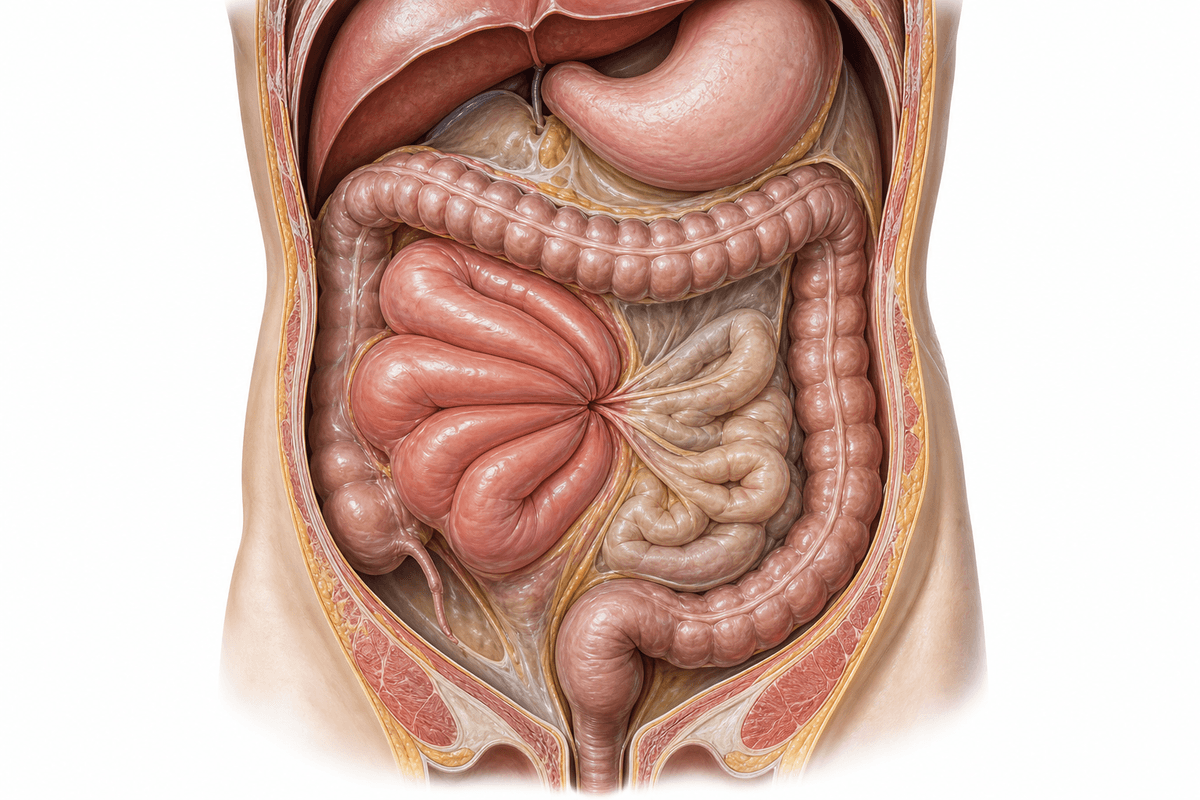
Small-bowel obstruction is a potentially life-threatening condition commonly encountered in Visakhapatnam where the normal flow of intestinal contents is blocked in the small intestine. This surgical emergency requires prompt diagnosis and treatment to prevent serious complications including bowel perforation, sepsis, and tissue death. Dr Ravi Chandra Reddy Obili provides expert surgical gastroenterology management for patients with small-bowel obstruction, utilizing both conservative and advanced surgical approaches.
Physical blockage of the intestinal lumen caused by adhesions, hernias, tumors, or strictures preventing passage of bowel contents through the small intestine.
Incomplete blockage where some intestinal contents can still pass through the narrowed segment, often presenting with intermittent symptoms and potentially responding to conservative management.
Complete blockage at two points along the intestine creating an isolated segment with compromised blood supply, representing a surgical emergency with high risk of strangulation and perforation.
Multiple factors can contribute to the development and progression of this condition.
Small-bowel obstruction develops gradually. Recognising symptoms early gives you more treatment options.
From conservative to surgical — we always start with the least invasive option first.
A structured, patient-first approach from first visit to full recovery.
Dr Ravi Chandra Reddy Obili performs immediate clinical evaluation including abdominal examination, assessment of vital signs, and orders urgent blood investigations and imaging studies including abdominal X-rays and CT scans with contrast to confirm diagnosis and identify the cause and location of obstruction.
The surgical gastroenterology team initiates aggressive fluid resuscitation through large-bore intravenous lines, corrects electrolyte imbalances, inserts nasogastric tube for decompression, places urinary catheter for monitoring, and administers broad-spectrum antibiotics if strangulation or perforation is suspected.
Dr Ravi Chandra Reddy Obili evaluates whether conservative management is appropriate or immediate surgery is required based on clinical findings, imaging results, presence of peritoneal signs, and evidence of bowel compromise, creating an individualized treatment plan for each patient.
When surgery is indicated, Dr Obili performs either laparoscopic or open surgery depending on the complexity, releases obstruction, assesses bowel viability, performs resection if needed, and provides comprehensive postoperative care including early mobilization, nutritional support, and adhesion prevention strategies.
What to expect at each phase of recovery.
Patients remain nil-by-mouth with nasogastric decompression until bowel function returns, receive intravenous fluids and nutrition support, undergo pain management, and are closely monitored for complications including anastomotic leak, infection, or persistent ileus.
As bowel sounds return and flatus is passed, nasogastric tube is removed and gradual oral intake is initiated starting with clear liquids progressing to full diet. Mobilization is encouraged, intravenous lines are removed, and patients transition to oral medications.
Patients are discharged with dietary guidance, wound care instructions, and activity restrictions. Follow-up appointments monitor healing, address underlying causes, discuss prevention of recurrence, and gradually return to normal activities with full recovery typically achieved within 4-6 weeks.
Over 90% of patients achieve complete resolution of bowel obstruction with appropriate treatment, restoration of normal intestinal transit, and elimination of obstructive symptoms when surgery is performed before bowel compromise occurs.
Early surgical intervention prevents bowel necrosis and allows preservation of maximal intestinal length and function, avoiding short bowel syndrome and maintaining normal digestive and absorptive capacity in most patients.
Timely treatment prevents serious complications including bowel perforation, peritonitis, sepsis, and multi-organ failure, significantly reducing mortality risk which can exceed 30% in cases with delayed presentation or strangulated obstruction.
Most patients return to normal activities and diet following recovery, though 10-15% may experience recurrent episodes requiring ongoing surveillance and potential adhesion prevention strategies or treatment of underlying conditions like inflammatory bowel disease or malignancy.
Untreated small-bowel obstruction leads to progressive bowel distension, increased intraluminal pressure, compromised blood supply, and eventual bowel ischemia, necrosis, and perforation. This results in life-threatening peritonitis, septic shock, multi-organ failure, and death in the majority of cases without intervention. Even partial obstructions can progress to complete obstruction with similar devastating consequences.
Seek immediate emergency medical attention if you experience severe abdominal pain with vomiting, inability to pass gas or stool, progressive abdominal distension, or fever. Anyone with a history of abdominal surgery or hernias who develops obstructive symptoms requires urgent evaluation. Contact Dr Ravi Chandra Reddy Obili immediately if symptoms worsen or fail to improve with conservative management, as early intervention significantly improves outcomes.
Early treatment means more options and better outcomes. Book a consultation to understand your condition and explore the right path forward.