Treated by Dr. Ravi Chandra Reddy Obili at Dr Ravi Chandra Reddy
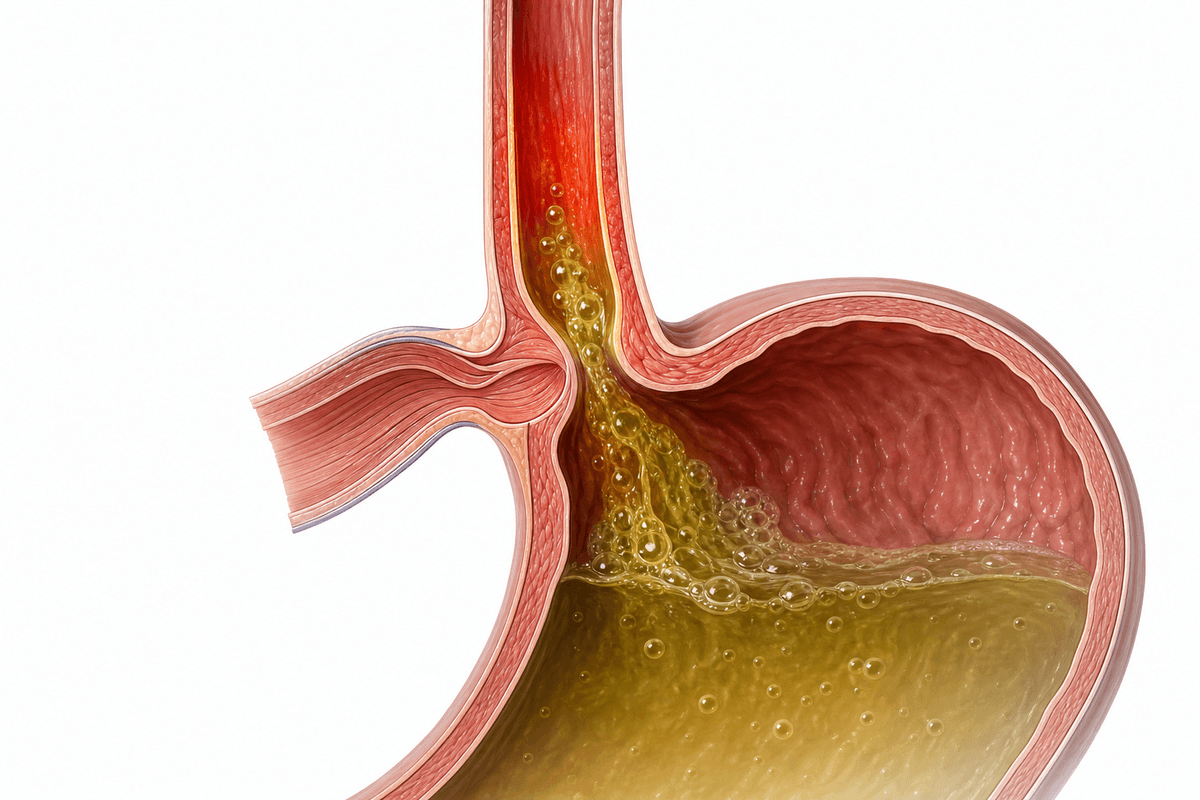
Acid reflux in Visakhapatnam is a common digestive condition where stomach acid flows back into the esophagus, causing heartburn and discomfort. This occurs when the lower esophageal sphincter weakens or relaxes inappropriately, allowing acidic contents to irritate the esophageal lining. Dr Ravi Chandra Reddy Obili, a leading Surgical Gastroenterologist, provides comprehensive evaluation and advanced treatment options for patients suffering from persistent acid reflux and GERD.
Chronic condition where acid reflux occurs more than twice weekly, causing persistent symptoms and potential esophageal damage. Requires ongoing medical management and may progress to complications like Barrett's esophagus if untreated.
Reflux symptoms without visible esophageal damage on endoscopy. Patients experience typical heartburn and regurgitation but maintain normal esophageal mucosa. Accounts for approximately 60-70% of GERD cases.
Advanced form where stomach acid causes visible inflammation, erosions, or ulcers in the esophageal lining. Classified in grades from A to D based on severity. Requires aggressive treatment to prevent stricture formation and Barrett's esophagus.
Multiple factors can contribute to the development and progression of this condition.
Acid reflux develops gradually. Recognising symptoms early gives you more treatment options.
From conservative to surgical — we always start with the least invasive option first.
A structured, patient-first approach from first visit to full recovery.
Dr Ravi Chandra Reddy Obili conducts detailed history taking, upper GI endoscopy to assess esophageal damage, 24-hour pH monitoring to measure acid exposure, and esophageal manometry to evaluate sphincter function and motility patterns.
Based on diagnostic findings, severity of symptoms, and patient lifestyle, Dr Obili develops an individualized treatment strategy. This may include medical management optimization, lifestyle counseling, or surgical intervention recommendations tailored to each patient's specific condition.
For patients requiring surgery, Dr Ravi Chandra Reddy Obili performs laparoscopic fundoplication using minimally invasive techniques. He repairs any hiatal hernia, creates an appropriate fundal wrap, and ensures optimal sphincter function while minimizing surgical trauma and recovery time.
Post-treatment care includes regular follow-up appointments to monitor symptom resolution, assess healing, manage dietary progression, and perform surveillance endoscopy when indicated. Dr Obili ensures patients achieve sustained relief and prevents recurrence through ongoing support.
What to expect at each phase of recovery.
Following laparoscopic fundoplication, patients stay in hospital for 1-2 days. Liquid diet is started within hours of surgery, progressing to soft foods. Pain is minimal and managed with oral medications. Most patients walk within hours of surgery.
Over 4-6 weeks, diet gradually progresses from liquids to soft foods to regular diet. Small frequent meals are recommended. Some temporary difficulty swallowing or bloating may occur as the wrap settles. Patients avoid carbonated beverages and straining during this period.
By 3 months, most patients return to normal activities and diet without restrictions. The fundoplication wrap stabilizes, providing sustained reflux control. Over 85% of patients are off acid-suppressing medications. Annual follow-up ensures continued success and monitors for any late complications.
Over 85-90% of patients experience complete or near-complete elimination of heartburn, regurgitation, and related symptoms following appropriate treatment. Quality of life significantly improves with restored ability to eat normally and sleep comfortably.
Surgical fundoplication allows 80-85% of patients to discontinue proton pump inhibitors completely. This eliminates long-term medication costs, side effects, and concerns about chronic PPI use including bone density loss and nutrient malabsorption.
Effective treatment prevents progression to Barrett's esophagus, esophageal strictures, and esophageal adenocarcinoma. Healing of erosive esophagitis occurs in over 90% of cases with appropriate acid suppression, reducing risk of bleeding and perforation.
Laparoscopic fundoplication provides durable results with 10-year success rates exceeding 80%. Most patients maintain reflux control without need for revision surgery. Medical management with lifestyle modifications offers good control for mild to moderate cases when compliance is maintained.
Untreated acid reflux can progress to serious complications including Barrett's esophagus, a precancerous condition affecting 10-15% of chronic GERD patients. Persistent acid exposure causes esophageal strictures leading to swallowing difficulties, chronic bleeding with anemia, and respiratory problems including asthma and laryngitis. The risk of esophageal adenocarcinoma increases 30-40 fold in patients with longstanding untreated Barrett's esophagus.
Seek immediate medical attention if you experience severe chest pain, difficulty swallowing, persistent vomiting, or blood in vomit or stools. Consult Dr Ravi Chandra Reddy Obili if you have heartburn occurring more than twice weekly, symptoms requiring daily medication for more than 2 weeks, or if over-the-counter treatments are ineffective. Early evaluation is crucial if you have alarm symptoms like unintended weight loss, chronic hoarseness, or family history of esophageal cancer.
Early treatment means more options and better outcomes. Book a consultation to understand your condition and explore the right path forward.