Treated by Dr. Ravi Chandra Reddy Obili at Dr Ravi Chandra Reddy
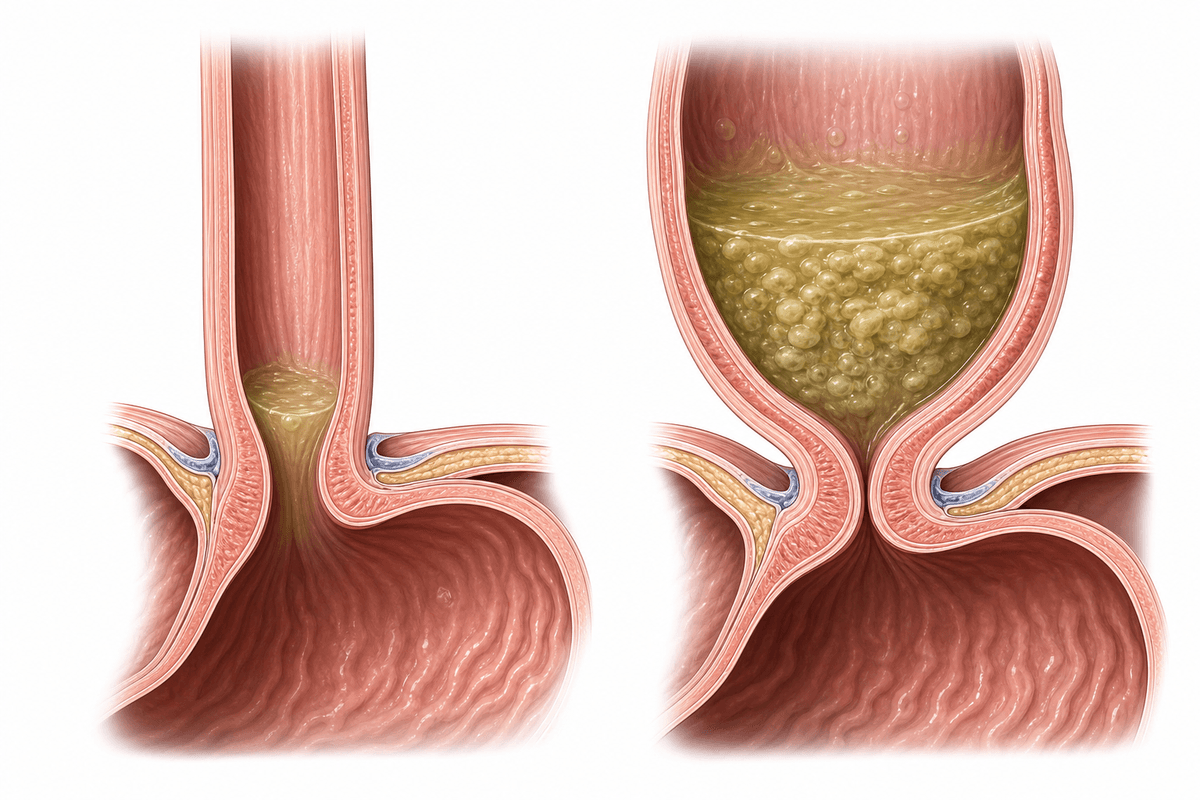
Achalasia is a rare esophageal motility disorder affecting patients in Visakhapatnam, characterized by the inability of the lower esophageal sphincter to relax properly during swallowing. This condition results in progressive difficulty swallowing both solids and liquids, along with regurgitation and chest discomfort. Dr Ravi Chandra Reddy Obili, a leading surgical gastroenterologist, provides comprehensive diagnosis and treatment for achalasia patients at his Visakhapatnam clinic.
Classic achalasia with minimal esophageal pressurization and absent peristalsis. The esophagus shows minimal contractility with complete failure of the lower esophageal sphincter to relax during swallowing.
Achalasia with esophageal compression characterized by pan-esophageal pressurization in at least 20% of swallows. This type typically responds best to treatment and has the most favorable outcomes.
Spastic type with premature or spastic distal esophageal contractions and absent lower esophageal sphincter relaxation. This variant often presents with more severe chest pain and has a more challenging treatment course.
Multiple factors can contribute to the development and progression of this condition.
Achalasia develops gradually. Recognising symptoms early gives you more treatment options.
From conservative to surgical — we always start with the least invasive option first.
A structured, patient-first approach from first visit to full recovery.
Dr Ravi Chandra Reddy Obili conducts thorough evaluation including detailed history, barium swallow study, upper endoscopy, and high-resolution esophageal manometry to confirm achalasia diagnosis and determine the specific type for personalized treatment planning.
Based on achalasia type, severity, patient age, and overall health status, Dr Ravi Chandra Reddy designs an individualized treatment strategy ranging from conservative management to advanced laparoscopic surgery, ensuring optimal outcomes for each patient.
For suitable candidates, Dr Ravi Chandra Reddy performs laparoscopic Heller myotomy with fundoplication using state-of-the-art minimally invasive techniques, ensuring precise muscle division while protecting esophageal integrity and preventing post-operative reflux complications.
Dr Ravi Chandra Reddy provides comprehensive post-treatment care with regular follow-up appointments, symptom assessment, dietary guidance, and objective testing to ensure sustained improvement and early detection of any recurrence or complications.
What to expect at each phase of recovery.
Following laparoscopic myotomy, patients typically remain hospitalized for 1-2 days with liquid diet initiation. Pain is minimal due to minimally invasive approach. Most patients experience immediate improvement in swallowing ability and can begin soft foods within 48 hours.
Gradual transition from liquid to soft and then regular diet occurs over 2-4 weeks. Patients resume normal daily activities within one week but avoid heavy lifting. Follow-up endoscopy may be performed to assess healing and ensure adequate sphincter opening without reflux.
Complete healing occurs by 6-8 weeks with full return to normal eating habits and activities. Long-term follow-up with Dr Ravi Chandra Reddy includes periodic symptom assessment and objective testing to monitor for reflux or rare recurrence, with most patients maintaining excellent swallowing function indefinitely.
Over 90% of patients experience significant improvement or complete resolution of dysphagia following laparoscopic Heller myotomy, with ability to eat normally and regain lost weight within months of surgery.
Patients report dramatic improvements in eating enjoyment, social dining experiences, nutritional status, and overall well-being after successful achalasia treatment, eliminating the anxiety and limitations associated with swallowing difficulties.
The addition of partial fundoplication during myotomy effectively prevents significant gastroesophageal reflux in most patients, while maintaining good esophageal emptying and swallowing function without creating new dysphagia.
Laparoscopic Heller myotomy provides lasting relief with 85-95% of patients maintaining good to excellent swallowing function at 10-year follow-up, making it the definitive treatment for achalasia with superior long-term durability compared to non-surgical options.
Untreated achalasia leads to progressive worsening of dysphagia, severe malnutrition, and significant weight loss that can become life-threatening. The chronically dilated esophagus increases the risk of aspiration pneumonia, esophageal candidiasis, and potential development of esophageal cancer in long-standing cases. Quality of life deteriorates substantially as patients become unable to eat normal meals and experience constant regurgitation, chest pain, and social embarrassment.
You should consult Dr Ravi Chandra Reddy immediately if you experience progressive difficulty swallowing both solids and liquids, unexplained weight loss, frequent regurgitation of undigested food, or chest pain after eating. Early evaluation is crucial if you notice nocturnal coughing or choking episodes, as these may indicate aspiration. Prompt diagnosis and treatment by an experienced surgical gastroenterologist can prevent serious complications and restore normal swallowing function.
Early treatment means more options and better outcomes. Book a consultation to understand your condition and explore the right path forward.