Treated by Dr. Ravi Chandra Reddy Obili at Dr Ravi Chandra Reddy
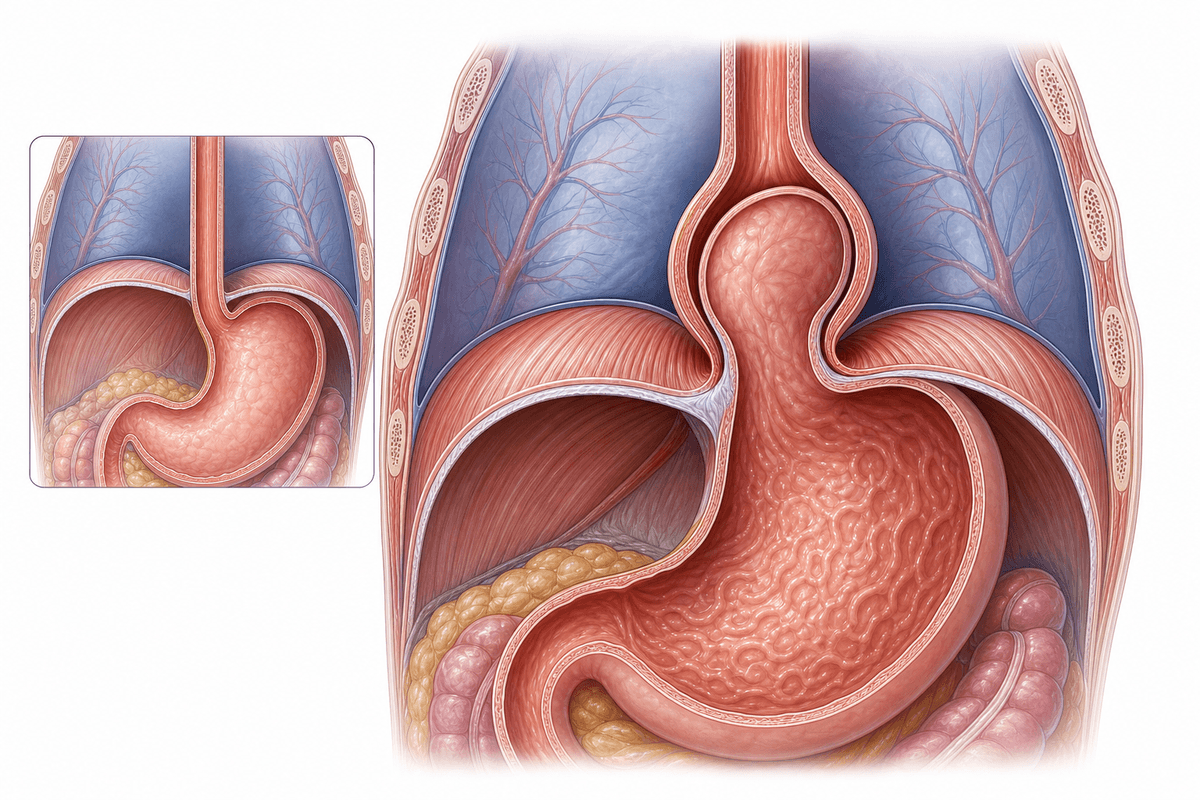
A hiatus hernia occurs when part of the stomach pushes through the diaphragm into the chest cavity, commonly affecting patients in Visakhapatnam. This condition can cause acid reflux, heartburn, and chest discomfort, ranging from mild symptoms to severe complications requiring surgical intervention. Dr Ravi Chandra Reddy Obili specializes in comprehensive hiatus hernia management using advanced laparoscopic techniques.
The most common type where the gastroesophageal junction and upper part of the stomach slide up through the hiatus into the chest. This type accounts for 95% of all hiatus hernias and may move in and out of the chest cavity with position changes.
The gastroesophageal junction remains in place, but part of the stomach herniates through the diaphragm alongside the esophagus. This type carries a higher risk of complications including strangulation and requires more urgent surgical attention.
A combination of sliding and paraesophageal hernias where both the gastroesophageal junction and portions of the stomach herniate through the diaphragm. This type presents with features of both types and often requires surgical correction.
Multiple factors can contribute to the development and progression of this condition.
Hiatus hernia develops gradually. Recognising symptoms early gives you more treatment options.
From conservative to surgical — we always start with the least invasive option first.
A structured, patient-first approach from first visit to full recovery.
Dr Ravi Chandra Reddy Obili conducts thorough clinical assessment with upper gastrointestinal endoscopy, barium swallow studies, and esophageal manometry to determine the type, size, and severity of the hiatus hernia and assess esophageal function.
Based on diagnostic findings, symptom severity, and patient factors, Dr Obili develops an individualized treatment plan ranging from medical management to advanced laparoscopic surgery, discussing all options and expected outcomes with patients.
For patients requiring surgical intervention, Dr Ravi Chandra Reddy Obili performs minimally invasive laparoscopic hiatus hernia repair with fundoplication using state-of-the-art equipment and techniques to ensure optimal outcomes with minimal discomfort and faster recovery.
Dr Obili provides comprehensive postoperative management including dietary progression, medication adjustment, and regular follow-up visits to monitor healing, assess symptom resolution, and ensure long-term success of the treatment.
What to expect at each phase of recovery.
Patients start with liquid diet progressing to soft foods, experience mild discomfort managed with pain medications, and gradually resume light activities. Most patients return home within 1-3 days after laparoscopic surgery with specific dietary and activity guidelines.
Gradual transition to regular diet with continued avoidance of large meals and difficult-to-swallow foods. Patients progressively increase physical activity while avoiding heavy lifting or straining. Most return to desk work within 2-3 weeks with ongoing symptom improvement.
Full return to normal activities including exercise and regular diet with sustained relief from reflux symptoms. The fundoplication settles and patients adapt to the surgical changes. Long-term follow-up ensures maintained symptom control and identifies any potential complications early.
Over 90% of patients experience significant improvement or complete resolution of heartburn, acid reflux, and chest discomfort following surgical repair, with most patients able to discontinue acid-suppressing medications long-term.
Patients report substantial improvement in daily functioning, sleep quality, and overall well-being after successful hiatus hernia repair, with freedom from dietary restrictions and the ability to engage in normal physical activities without symptoms.
Surgical repair prevents serious complications including gastric volvulus, strangulation, bleeding, and chronic aspiration pneumonia, while also reducing the long-term risk of Barrett's esophagus and esophageal cancer associated with chronic reflux.
With proper surgical technique and mesh reinforcement when indicated, recurrence rates are less than 5-10% for primary repairs, particularly when performed laparoscopically by experienced surgeons like Dr Ravi Chandra Reddy Obili.
Untreated hiatus hernia can lead to chronic gastroesophageal reflux disease with esophageal ulceration, stricture formation, and Barrett's esophagus which increases cancer risk. Paraesophageal hernias carry risk of gastric volvulus and strangulation, life-threatening emergencies requiring urgent surgery. Persistent reflux also causes chronic cough, recurrent pneumonia from aspiration, and dental erosion affecting overall health and quality of life.
Seek immediate medical attention if experiencing severe chest pain, difficulty swallowing, persistent vomiting, or signs of gastric obstruction as these may indicate complications requiring urgent intervention. Consult Dr Ravi Chandra Reddy Obili if experiencing chronic heartburn unresponsive to medications, progressive swallowing difficulties, unexplained weight loss, or symptoms significantly impacting daily activities and quality of life.
Early treatment means more options and better outcomes. Book a consultation to understand your condition and explore the right path forward.