Treated by Dr. Ravi Chandra Reddy Obili at Dr Ravi Chandra Reddy
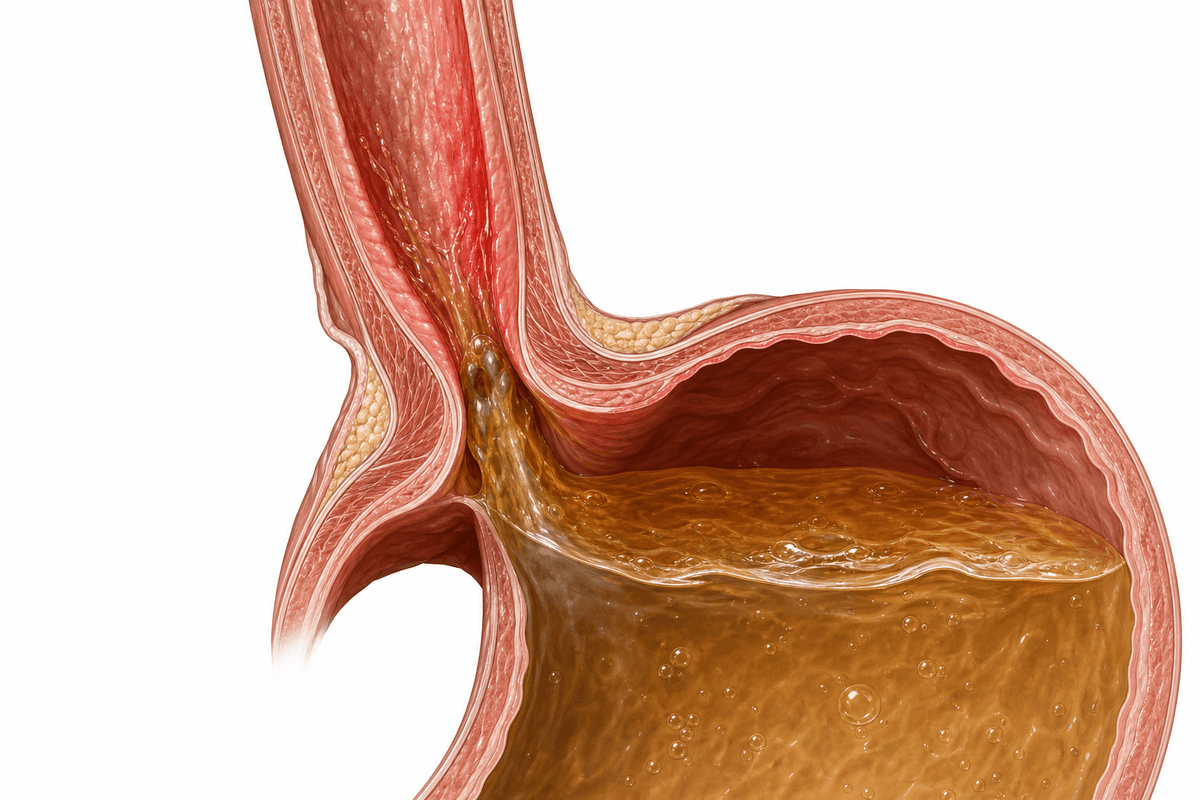
Gastroesophageal Reflux Disease (GERD) in Visakhapatnam is a chronic digestive condition where stomach acid frequently flows back into the esophagus, causing irritation and discomfort. This backward flow of acid, known as reflux, damages the esophageal lining and can lead to serious complications if left untreated. Dr Ravi Chandra Reddy Obili, a renowned surgical gastroenterologist, provides comprehensive GERD treatment with both medical management and advanced surgical options.
The most common form where patients experience typical GERD symptoms like heartburn and regurgitation, but endoscopy shows no visible damage to the esophageal lining. Despite the absence of erosions, symptoms can be severe and significantly impact quality of life.
A more severe form characterized by visible inflammation and erosions in the esophageal lining seen during endoscopy. The damage is graded from mild to severe based on the extent of mucosal breaks, and requires more aggressive treatment to prevent progression to Barrett's esophagus.
A complication of chronic GERD where the normal esophageal lining is replaced by intestinal-type cells, which is a precancerous condition. Regular surveillance endoscopy is essential as it carries a small but significant risk of progressing to esophageal adenocarcinoma.
Multiple factors can contribute to the development and progression of this condition.
GERD develops gradually. Recognising symptoms early gives you more treatment options.
From conservative to surgical — we always start with the least invasive option first.
A structured, patient-first approach from first visit to full recovery.
Dr Ravi Chandra Reddy Obili conducts detailed history-taking and physical examination, followed by upper GI endoscopy to assess esophageal damage. Additional tests including 24-hour pH monitoring, esophageal manometry, and barium swallow studies are performed to evaluate reflux severity and esophageal function before recommending the most appropriate treatment strategy.
Based on diagnostic findings, symptom severity, and patient preferences, Dr Obili develops an individualized treatment plan. This may start with medical management and lifestyle modifications, or proceed directly to surgical intervention for severe cases or those with complications like Barrett's esophagus or large hiatal hernias requiring repair.
When surgery is indicated, Dr Ravi Chandra Reddy Obili performs state-of-the-art laparoscopic fundoplication using minimally invasive techniques. His expertise in advanced laparoscopic surgery ensures precise anatomical repair with hiatal hernia correction when needed, utilizing the latest equipment and proven surgical techniques for optimal outcomes and faster recovery.
Dr Obili provides comprehensive post-treatment care with regular follow-up appointments to monitor symptom resolution and healing progress. For surgical patients, dietary progression guidance is provided, and endoscopic surveillance is scheduled when necessary. Long-term follow-up ensures sustained symptom control and early detection of any recurrence.
What to expect at each phase of recovery.
Following laparoscopic fundoplication, patients typically stay 2-3 days in hospital. Initial diet consists of clear liquids progressing to soft foods. Mild discomfort, difficulty swallowing, and bloating are common but temporary. Pain is managed with oral medications, and most patients return to light activities within one week with no heavy lifting.
Gradual return to normal diet with continued avoidance of very hard or dry foods. Swallowing improves progressively as surgical swelling resolves. Most patients resume normal daily activities and non-strenuous work during this period. Gas bloating symptoms typically decrease, and reflux symptoms should be significantly improved or completely resolved.
By 6-8 weeks, most patients can eat a normal unrestricted diet and return to all activities including exercise. The wrap settles into its final position, providing sustained reflux control. Over 90% of patients experience complete symptom relief and can discontinue all anti-reflux medications. Annual follow-up ensures long-term success and monitors for any rare recurrence.
Over 90% of patients experience complete resolution of heartburn, regurgitation, and related symptoms after surgical treatment. Medical management provides effective symptom control in 70-80% of cases, allowing patients to return to normal diet and activities without constant discomfort.
Laparoscopic fundoplication allows most patients to completely discontinue proton pump inhibitors and other anti-reflux medications, eliminating long-term medication costs and potential side effects. This medication-free state is sustained in the vast majority of patients over 10+ years follow-up.
Effective GERD treatment prevents progression to Barrett's esophagus, esophageal strictures, and reduces the risk of esophageal adenocarcinoma. Early intervention with appropriate treatment protects the esophagus from chronic acid damage and preserves normal esophageal function long-term.
Patients report significant improvements in sleep quality, work productivity, and social activities after successful GERD treatment. Freedom from chronic symptoms and dietary restrictions allows return to normal lifestyle, with improved physical and emotional well-being scores on validated quality of life assessments.
Untreated GERD leads to progressive esophageal damage including erosive esophagitis, stricture formation causing difficulty swallowing, and Barrett's esophagus which carries cancer risk. Chronic acid exposure can cause respiratory complications like asthma exacerbations, chronic cough, and laryngitis. Long-standing untreated GERD significantly increases the risk of developing esophageal adenocarcinoma, a serious cancer with poor prognosis if detected late.
Seek immediate consultation if you experience heartburn more than twice weekly, difficulty swallowing, unexplained weight loss, or chest pain. You should see Dr Ravi Chandra Reddy Obili if over-the-counter medications provide insufficient relief, if you've been on PPIs for extended periods without improvement, or if you have alarm symptoms like vomiting blood, black stools, or severe persistent pain. Early evaluation prevents complications and ensures appropriate treatment before irreversible damage occurs.
Early treatment means more options and better outcomes. Book a consultation to understand your condition and explore the right path forward.