Performed by Dr. Ravi Chandra Reddy Obili at Dr Ravi Chandra Reddy
Hepatobiliary cancer surgery in Visakhapatnam involves complex surgical procedures to remove cancerous tumors from the liver, gallbladder, and bile ducts. Dr Ravi Chandra Reddy Obili provides comprehensive surgical management using advanced techniques including liver resections, bile duct reconstructions, and minimally invasive approaches. As a specialized surgical gastroenterologist, Dr Ravi Chandra Reddy offers personalized cancer care with multidisciplinary support.
We believe in honest, upfront disclosure so you can make an informed decision.
A step-by-step look at what happens during this procedure.
Comprehensive imaging with CT, MRI, or PET scans to determine tumor extent, liver function tests, and multidisciplinary team evaluation to plan the surgical approach and assess resectability.
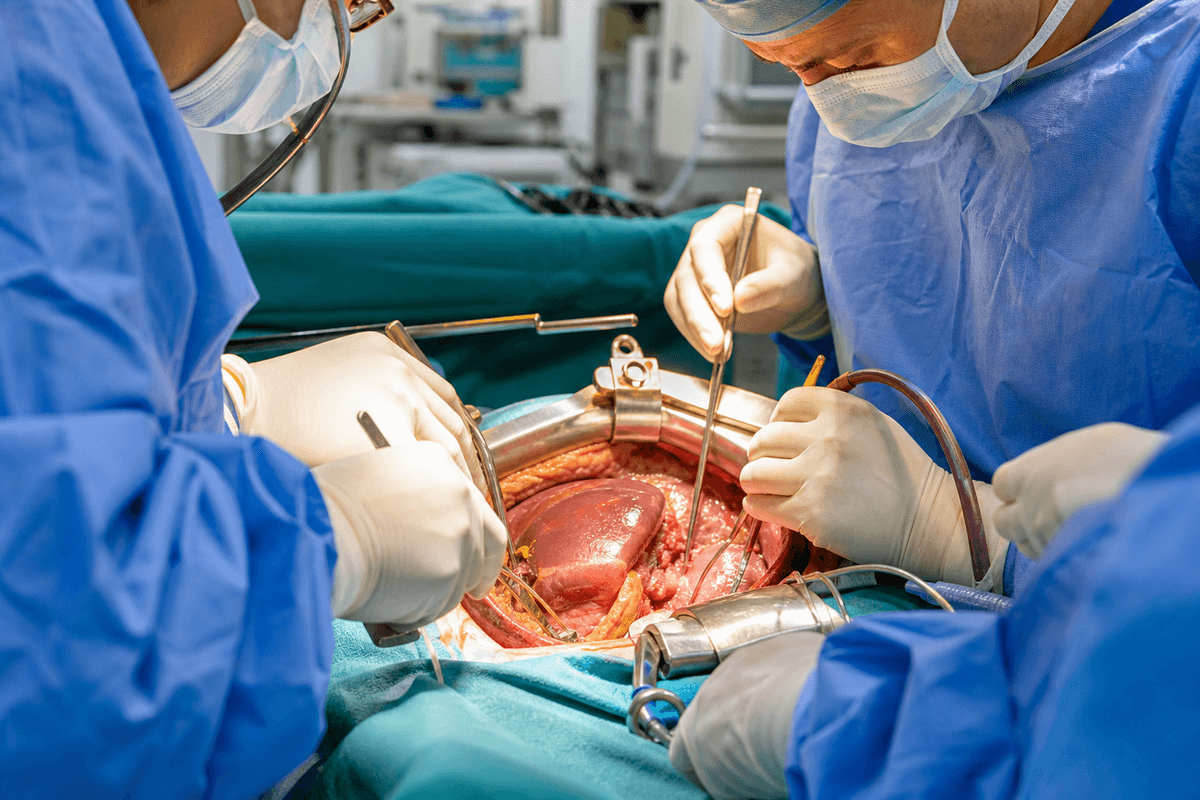
Under general anesthesia, an incision is made in the upper abdomen to access the liver and biliary system. The surgeon carefully examines the liver, bile ducts, and surrounding structures to confirm the tumor location.
The affected portion of liver containing the tumor is surgically removed with adequate margins. This may involve partial hepatectomy, hemihepatectomy, or extended liver resection depending on tumor size and location.
If bile ducts are removed, reconstruction is performed using intestinal segments to restore bile flow. Lymph nodes are removed for staging, and blood vessels are carefully preserved or reconstructed as needed.
Surgical drains are placed to monitor for bile leaks or bleeding. The incision is closed in layers, and the patient is transferred to intensive care for close monitoring of liver function and vital signs.
A structured, patient-first approach from first consultation to full recovery.
Dr Ravi Chandra Reddy conducts thorough preoperative assessment using high-resolution imaging and liver function evaluation to determine the optimal surgical strategy and ensure patient safety.
Utilizing advanced surgical methods including anatomical resections, vascular control techniques, and when appropriate, minimally invasive or laparoscopic approaches to minimize trauma and enhance recovery.
Dr Ravi Chandra Reddy collaborates with medical oncologists, radiation oncologists, and pathologists to provide comprehensive cancer treatment including adjuvant therapy when indicated for optimal outcomes.
Intensive monitoring of liver function, bile output, and recovery progress with personalized rehabilitation protocols, nutritional support, and regular follow-up imaging to detect any recurrence early.
What to expect at each stage of your recovery journey.
First 3-5 days in intensive care with close monitoring of liver function, bile drainage, and vital signs. Pain management, early mobilization, and nutritional support through IV or feeding tubes until bowel function returns.
Days 4-14 involve transition to regular diet, removal of drains, monitoring liver regeneration, and managing any complications. Physical therapy helps restore strength and mobility before discharge with detailed home care instructions.
Weeks 2-8 focus on gradual activity increase, wound care, nutritional optimization, and regular follow-up visits. Liver function tests and imaging are performed to assess recovery. Most patients return to normal activities by 8-12 weeks with ongoing cancer surveillance.
Successful surgical resection achieves complete removal of cancerous tissue with clear margins, offering the best chance for cure in early-stage hepatobiliary cancers with five-year survival rates of 40-70% depending on cancer type and stage.
Proper bile drainage is reestablished through surgical reconstruction, preventing jaundice and allowing normal digestion. Liver regeneration occurs over 3-6 months, with remaining liver tissue compensating for resected portions.
Relief from cancer-related symptoms including abdominal pain, jaundice, and weight loss. Patients experience improved energy levels and nutritional status following successful recovery from surgery.
Regular surveillance with imaging and tumor markers enables early detection of recurrence. Combined with adjuvant therapies when needed, surgical resection provides the foundation for long-term cancer management and survival.
Let's clear up some of the most common myths about hepatobiliary cancer surgery.
Get a personalised assessment from an experienced specialist. Understand your options, ask your questions, and decide with confidence.