Treated by Dr. Ravi Chandra Reddy Obili at Dr Ravi Chandra Reddy
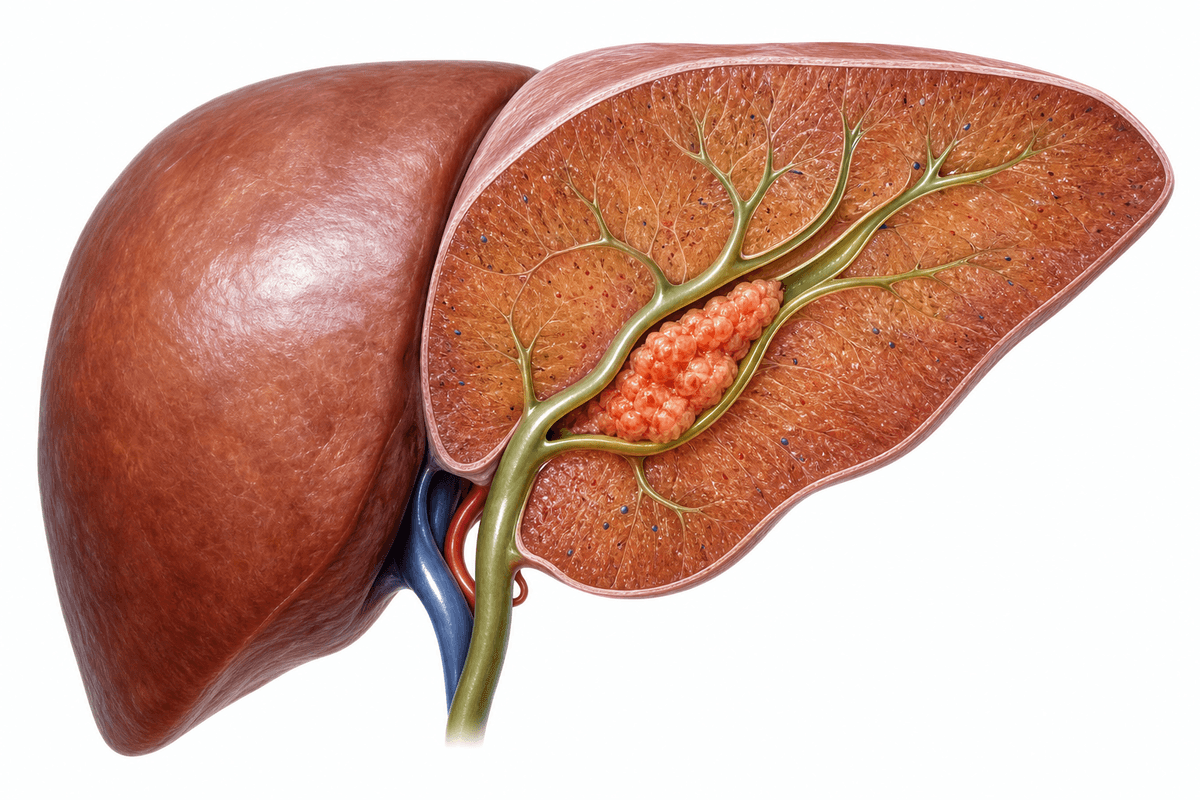
Intrahepatic Cholangiocarcinoma is a rare and aggressive cancer arising from bile ducts within the liver, affecting patients in Visakhapatnam and requiring specialized surgical intervention. This malignancy accounts for approximately 10-20% of all primary liver cancers and presents significant diagnostic and therapeutic challenges. Dr Ravi Chandra Reddy Obili, an experienced Surgical Gastroenterologist, provides comprehensive evaluation and advanced surgical management for this complex condition.
Presents as a discrete tumor mass within the liver parenchyma, most common variant accounting for 60% of cases, typically discovered during imaging for abdominal symptoms or incidentally
Characterized by tumor growth along bile ducts causing ductal wall thickening and luminal narrowing, often leads to biliary obstruction and represents approximately 20% of cases
Rare variant where tumor grows within the bile duct lumen as a papillary or polypoid mass, accounts for 15-20% of cases and may have better prognosis with complete resection
Multiple factors can contribute to the development and progression of this condition.
Intrahepatic Cholangiocarcinoma develops gradually. Recognising symptoms early gives you more treatment options.
From conservative to surgical — we always start with the least invasive option first.
A structured, patient-first approach from first visit to full recovery.
Dr Ravi Chandra Reddy Obili conducts thorough assessment including detailed history, physical examination, liver function tests, tumor markers (CA19-9, CEA), and advanced imaging with triphasic CT scan or MRI with MRCP to determine tumor extent, vascular involvement, and resectability status
Each case is reviewed in tumor board discussions to determine optimal treatment strategy, considering tumor characteristics, patient fitness, liver function reserve, and treatment goals, ensuring personalized care aligned with current evidence-based guidelines
For resectable tumors, Dr Ravi Chandra Reddy Obili performs meticulous hepatic resection with adequate oncological margins, regional lymphadenectomy, and careful preservation of liver function, utilizing advanced surgical techniques and intraoperative assessments to ensure complete tumor removal
Comprehensive postoperative monitoring includes recovery support, management of potential complications, consideration of adjuvant therapy, and structured long-term surveillance with serial imaging and tumor markers every 3-6 months to detect early recurrence and optimize patient outcomes
What to expect at each phase of recovery.
Hospital stay typically ranges from 7-14 days with intensive monitoring of liver function, bile output, drain management, pain control, early mobilization, and prevention of complications such as bile leak, liver insufficiency, or infections requiring specialized hepatobiliary care
Gradual return to normal activities with continued monitoring of liver function tests, nutritional support to optimize healing, management of surgical site recovery, and assessment for adjuvant chemotherapy initiation if indicated based on pathological findings and patient recovery status
Ongoing monitoring with clinical assessments, liver function tests, and imaging studies every 3-6 months for first two years then every 6-12 months, tumor marker surveillance, quality of life assessments, and psychosocial support to ensure optimal long-term outcomes and early detection of recurrence
Complete surgical resection with negative margins (R0 resection) offers the only chance for cure with 5-year survival rates ranging from 20-40% depending on tumor stage, lymph node status, and completeness of resection in selected patients with resectable disease
Biliary drainage procedures and palliative interventions significantly improve jaundice, pruritus, and cholangitis symptoms, enhancing quality of life even in advanced unresectable cases and allowing patients to better tolerate systemic chemotherapy
Combination chemotherapy in advanced disease achieves median overall survival of 11-12 months with improved progression-free survival compared to best supportive care, helping patients maintain functional status and manage symptoms during treatment
Structured surveillance protocols enable early detection of recurrence in approximately 50-70% of resected patients, allowing timely intervention with repeat surgery, ablation, or systemic therapy to potentially extend survival and optimize outcomes
Untreated intrahepatic cholangiocarcinoma follows an aggressive course with median survival of only 3-6 months from diagnosis. Progressive biliary obstruction leads to severe jaundice, recurrent cholangitis, liver failure, and cachexia. The tumor typically metastasizes to regional lymph nodes, lungs, and peritoneum, causing significant suffering and dramatically shortened life expectancy without intervention.
Seek immediate medical attention if you develop new-onset jaundice with yellow discoloration of eyes or skin, persistent right upper abdominal pain lasting more than two weeks, unexplained weight loss exceeding 5-10% of body weight, or dark urine with pale stools. Individuals with risk factors such as primary sclerosing cholangitis, hepatolithiasis, liver fluke exposure, or chronic liver disease should undergo regular screening. Early consultation with Dr Ravi Chandra Reddy Obili in Visakhapatnam enables timely diagnosis and optimal treatment planning.
Early treatment means more options and better outcomes. Book a consultation to understand your condition and explore the right path forward.