Performed by Dr. Ravi Chandra Reddy Obili at Dr Ravi Chandra Reddy
Bile Duct Surgery in Visakhapatnam addresses blockages, strictures, tumors, and injuries affecting the biliary system through advanced surgical techniques. This complex procedure restores normal bile flow from the liver to the intestine, preventing complications like jaundice, infections, and liver damage. Dr Ravi Chandra Reddy Obili provides expert surgical gastroenterology care with precision and comprehensive post-operative management.
We believe in honest, upfront disclosure so you can make an informed decision.
A step-by-step look at what happens during this procedure.
Comprehensive evaluation with MRCP, ERCP, or CT scan to map bile duct anatomy and identify the exact location and extent of obstruction or pathology.
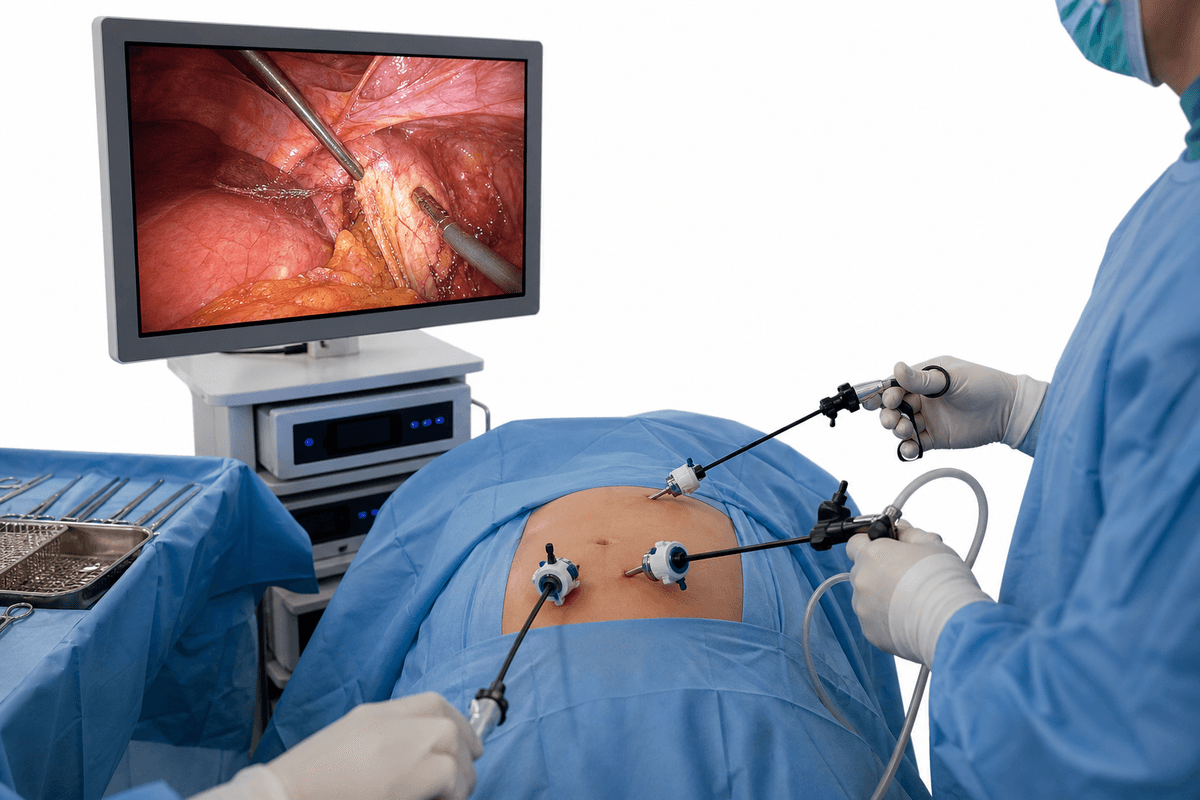
The surgeon creates an incision in the upper abdomen or uses minimally invasive laparoscopic techniques to access the bile duct system.
Careful dissection and exposure of the affected bile duct segment while protecting surrounding structures including blood vessels and the portal vein.
The diseased or damaged portion is removed and reconstruction performed using biliary-enteric anastomosis (connecting bile duct to intestine) or duct-to-duct repair.
Surgical drains are placed to monitor bile output, and the incision is carefully closed with meticulous attention to preventing bile leakage.
A structured, patient-first approach from first consultation to full recovery.
Dr Ravi Chandra Reddy Obili utilizes high-resolution MRCP and endoscopic techniques to precisely map bile duct anatomy and plan the optimal surgical approach for each patient.
Employing advanced microsurgical techniques and minimally invasive approaches when appropriate to ensure accurate reconstruction with minimal tissue trauma and optimal healing.
Real-time assessment of bile duct integrity using cholangiography and careful examination to ensure complete resolution of obstruction and proper bile flow.
Dedicated follow-up with drain management, serial liver function monitoring, and scheduled imaging to detect and address any complications early for optimal recovery.
What to expect at each stage of your recovery journey.
Patients remain in the hospital for monitoring of vital signs, bile output through drains, and liver function. Pain management and gradual resumption of oral intake occur during this phase.
Drains are progressively removed as bile output decreases. Patients begin walking and performing light activities while monitoring for signs of infection, bile leak, or jaundice.
Gradual return to normal activities over 4-6 weeks with regular follow-up appointments. Liver function normalizes, and patients resume regular diet with ongoing monitoring for late complications.
Successful reconstruction establishes normal bile drainage from the liver to the intestine, resolving jaundice and preventing bile accumulation.
Elimination of abdominal pain, itching, dark urine, and pale stools associated with bile duct obstruction, with normalization of liver enzymes.
Eliminates risk of recurrent cholangitis, biliary cirrhosis, liver failure, and sepsis that can occur with untreated bile duct obstruction.
Patients experience significant improvement in overall well-being, energy levels, and ability to perform daily activities without biliary symptoms.
Let's clear up some of the most common myths about bile duct surgery.
Get a personalised assessment from an experienced specialist. Understand your options, ask your questions, and decide with confidence.