Treated by Dr. Ravi Chandra Reddy Obili at Dr Ravi Chandra Reddy
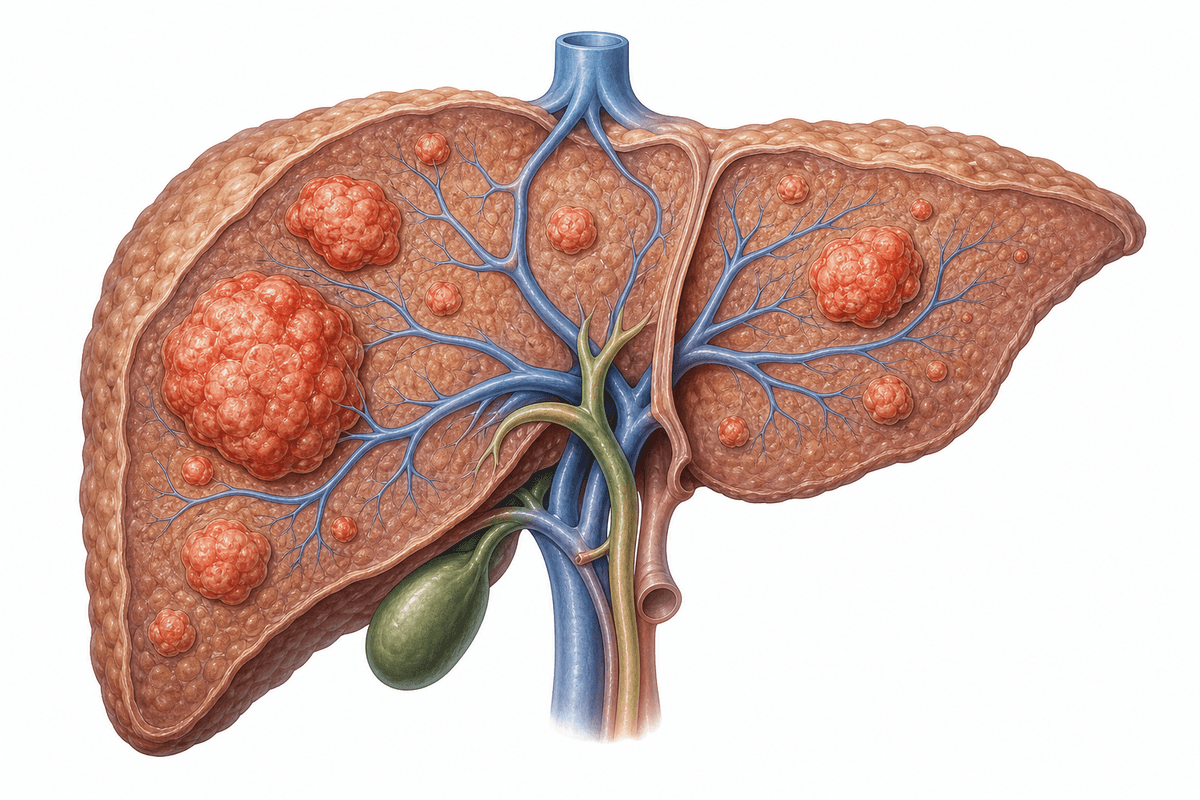
Hepatocellular Carcinoma (HCC) is the most common type of primary liver cancer affecting patients in Visakhapatnam and worldwide, typically arising from chronic liver disease or cirrhosis. This aggressive malignancy requires specialized surgical expertise and multimodal treatment approaches for optimal outcomes. Dr Ravi Chandra Reddy Obili provides comprehensive hepatocellular carcinoma management with advanced surgical techniques.
Single tumor or limited tumors confined to the liver with preserved liver function, offering the best prognosis and curative treatment options including surgical resection or liver transplantation.
Multiple tumors throughout the liver without vascular invasion or extrahepatic spread, typically managed with locoregional therapies such as transarterial chemoembolization when surgery is not feasible.
Tumor with vascular invasion, extrahepatic spread, or significantly impaired liver function, requiring systemic therapies and palliative care approaches with limited curative options.
Multiple factors can contribute to the development and progression of this condition.
Hepatocellular Carcinoma develops gradually. Recognising symptoms early gives you more treatment options.
From conservative to surgical — we always start with the least invasive option first.
A structured, patient-first approach from first visit to full recovery.
Dr Ravi Chandra Reddy Obili conducts thorough assessment with triple-phase CT or MRI imaging, liver function tests, viral hepatitis markers, and AFP tumor markers to accurately stage the cancer and evaluate liver reserve function for treatment planning.
Each patient is discussed in a multidisciplinary tumor board including surgical oncologists, medical oncologists, radiologists, and pathologists to determine the optimal treatment strategy based on tumor stage, liver function, and patient performance status.
Dr Ravi Chandra Reddy Obili performs advanced liver resection procedures using minimally invasive techniques when appropriate, ensuring adequate tumor margins while preserving maximum liver function, with meticulous hemostasis and bile duct management to minimize complications.
Comprehensive follow-up protocol includes regular imaging every 3 months initially, AFP monitoring, liver function assessment, and management of underlying liver disease to detect recurrence early and optimize long-term survival outcomes for hepatocellular carcinoma patients.
What to expect at each phase of recovery.
Hospital stay of 5-10 days with monitoring of liver function, drain output, and early mobilization. Pain management, nutritional support, and prevention of complications such as bile leak or liver failure are prioritized during this critical phase.
Gradual return to normal activities with continued liver function monitoring and wound care. Patients experience progressive improvement in energy levels, appetite, and overall well-being as the remaining liver regenerates to compensate for resected tissue.
Lifelong follow-up with regular imaging, tumor marker monitoring, and management of underlying liver disease to prevent recurrence. Treatment of viral hepatitis, lifestyle modifications, and screening for new tumors continue indefinitely to optimize survival outcomes.
Patients undergoing complete surgical resection for early-stage HCC achieve 5-year survival rates of 50-70% with appropriate patient selection, adequate liver reserve, and negative resection margins.
Modern surgical techniques and careful preoperative planning ensure adequate remnant liver volume and function, minimizing risk of postoperative liver failure and maintaining quality of life.
Early detection through surveillance programs and timely intervention result in improved disease-free survival, with many patients remaining cancer-free for years after treatment.
Successful treatment eliminates cancer-related symptoms, reduces anxiety, and allows patients to return to normal activities with regular monitoring, significantly improving overall well-being and life expectancy.
Untreated hepatocellular carcinoma progresses rapidly with median survival of 6-20 months depending on stage at diagnosis. The tumor grows larger, invades blood vessels, spreads to other organs, and causes progressive liver failure with complications including bleeding, ascites, encephalopathy, and ultimately death. Early intervention is critical for survival.
Patients with chronic liver disease, cirrhosis, or viral hepatitis should seek immediate medical attention if they develop new right upper abdominal pain, unexplained weight loss, jaundice, or abdominal swelling. Regular surveillance appointments are essential for high-risk individuals. Consult Dr Ravi Chandra Reddy Obili in Visakhapatnam if you have risk factors or concerning symptoms for hepatocellular carcinoma.
Early treatment means more options and better outcomes. Book a consultation to understand your condition and explore the right path forward.