Treated by Dr. Ravi Chandra Reddy Obili at Dr Ravi Chandra Reddy
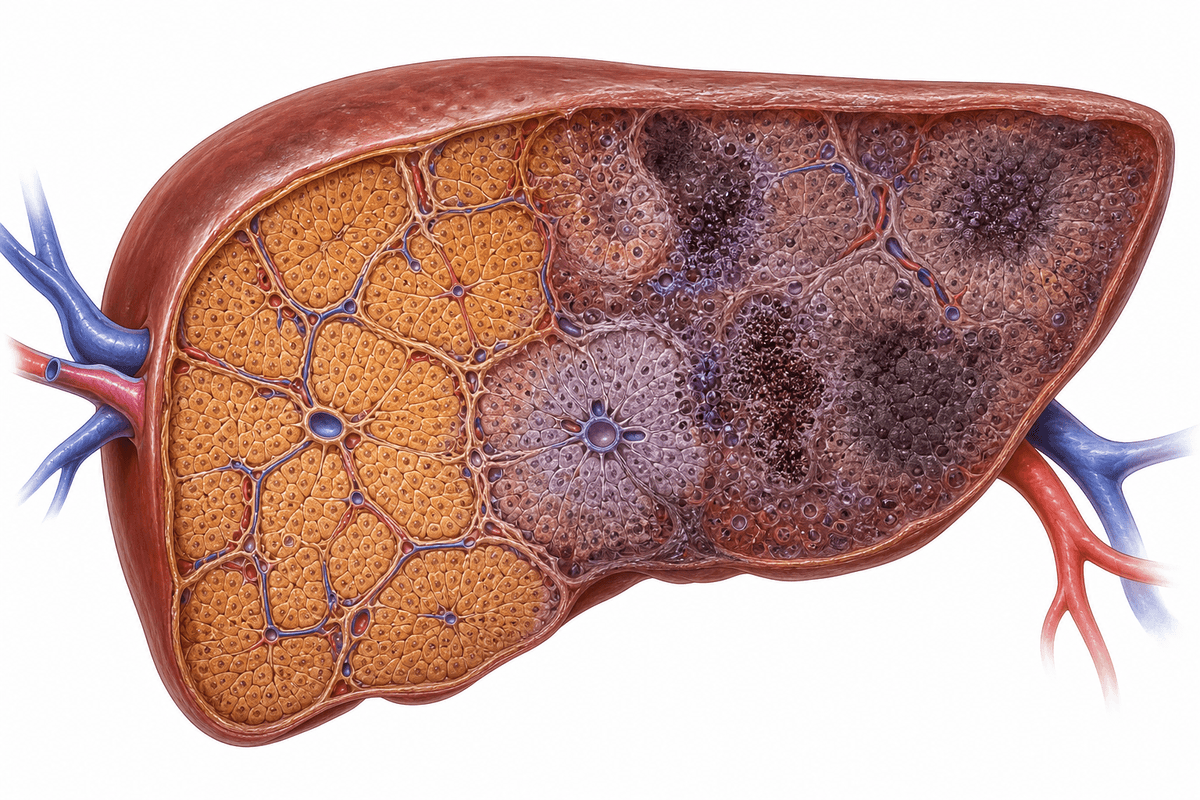
Acute Liver Failure in Visakhapatnam is a rare but life-threatening condition where the liver rapidly loses its ability to function, typically within days to weeks in patients without pre-existing liver disease. This medical emergency requires immediate intervention and specialized care to prevent fatal complications including brain swelling, bleeding disorders, and multi-organ failure. Dr Ravi Chandra Reddy Obili provides comprehensive evaluation and advanced surgical gastroenterology management for patients with acute liver failure.
Develops within 7 days of onset of jaundice with encephalopathy appearing rapidly. Most commonly caused by drug toxicity or viral hepatitis. Has the highest rate of cerebral edema but paradoxically better spontaneous recovery rates if the patient survives the acute phase.
Encephalopathy develops between 8 to 28 days after appearance of jaundice. Intermediate prognosis with moderate risk of cerebral edema. Often results from drug-induced liver injury, viral hepatitis, or autoimmune conditions requiring careful monitoring and potential transplant evaluation.
Develops over 5 to 26 weeks from onset of symptoms to encephalopathy. Lower incidence of cerebral edema but worse overall prognosis due to severe liver damage. Commonly associated with drug toxicity, autoimmune hepatitis, or indeterminate causes with higher rates of requiring liver transplantation.
Multiple factors can contribute to the development and progression of this condition.
Acute Liver Failure develops gradually. Recognising symptoms early gives you more treatment options.
From conservative to surgical — we always start with the least invasive option first.
A structured, patient-first approach from first visit to full recovery.
Dr Ravi Chandra Reddy performs immediate comprehensive evaluation including detailed history, physical examination, and urgent laboratory testing to assess liver function, coagulation status, and identify the underlying cause. Advanced imaging studies and toxicology screens are ordered to establish diagnosis and severity.
Dr Ravi Chandra Reddy coordinates admission to intensive care unit with multidisciplinary team involvement including hepatologists, critical care specialists, and transplant surgeons. Continuous monitoring protocols are established for neurological status, hemodynamics, and organ function with proactive management of complications.
Dr Ravi Chandra Reddy initiates targeted therapies based on identified etiology including antidotes, antiviral agents, or immunosuppressive medications. Aggressive supportive measures are implemented to prevent complications while addressing the underlying liver injury and supporting organ function.
Dr Ravi Chandra Reddy evaluates patients using established prognostic criteria to identify those unlikely to recover spontaneously. When transplantation is indicated, he facilitates urgent referral to transplant centers, coordinates care during transfer, and provides ongoing surgical gastroenterology expertise throughout the patient's treatment journey.
What to expect at each phase of recovery.
First 48-72 hours focus on preventing life-threatening complications including cerebral edema, bleeding, and infection. Intensive monitoring and aggressive supportive care are maintained. Patients remain in ICU with continuous assessment of neurological status and organ function while cause-specific treatments take effect.
Days to weeks following stabilization, patients either demonstrate spontaneous liver regeneration with improving function or progress toward transplantation. Those recovering naturally show gradual improvement in mental status, coagulation, and liver enzymes. Transplant candidates undergo evaluation while supported with medical therapy and possibly extracorporeal devices.
Survivors of acute liver failure require extended monitoring for complete liver function recovery or post-transplant management. Regular follow-up includes liver function tests, imaging, and assessment for complications. Patients receive counseling on avoiding hepatotoxic substances and maintaining overall health with specialized dietary and lifestyle modifications.
Approximately 40-50% of patients with hyperacute liver failure may recover spontaneously with aggressive supportive care, depending on etiology. Complete liver regeneration is possible with restoration of normal function, though some patients may have residual mild abnormalities requiring long-term monitoring.
Liver transplantation offers excellent long-term survival rates exceeding 80% at one year for appropriate candidates. Transplant recipients require lifelong immunosuppression and regular monitoring but can achieve good quality of life with normal liver function and return to regular activities.
Survivors may experience residual neurological deficits from hepatic encephalopathy or cerebral edema, ranging from mild cognitive impairment to severe disability. Early recognition and aggressive management of brain swelling are critical to minimize permanent neurological damage and improve functional outcomes.
With appropriate intensive care management, associated kidney injury, respiratory failure, and circulatory disturbances often reverse as liver function improves. Complete recovery of organ systems is possible in survivors, though the recovery timeline varies and some patients may require temporary renal replacement or other organ support.
Untreated acute liver failure is universally fatal, with death occurring within days to weeks from cerebral edema, uncontrolled bleeding, severe infection, or multi-organ failure. Without intensive medical management and potential liver transplantation, the accumulation of toxins leads to progressive coma, brain herniation, and death. Even with maximal medical therapy, survival without transplantation depends entirely on spontaneous liver regeneration, which occurs in less than half of cases.
Early treatment means more options and better outcomes. Book a consultation to understand your condition and explore the right path forward.