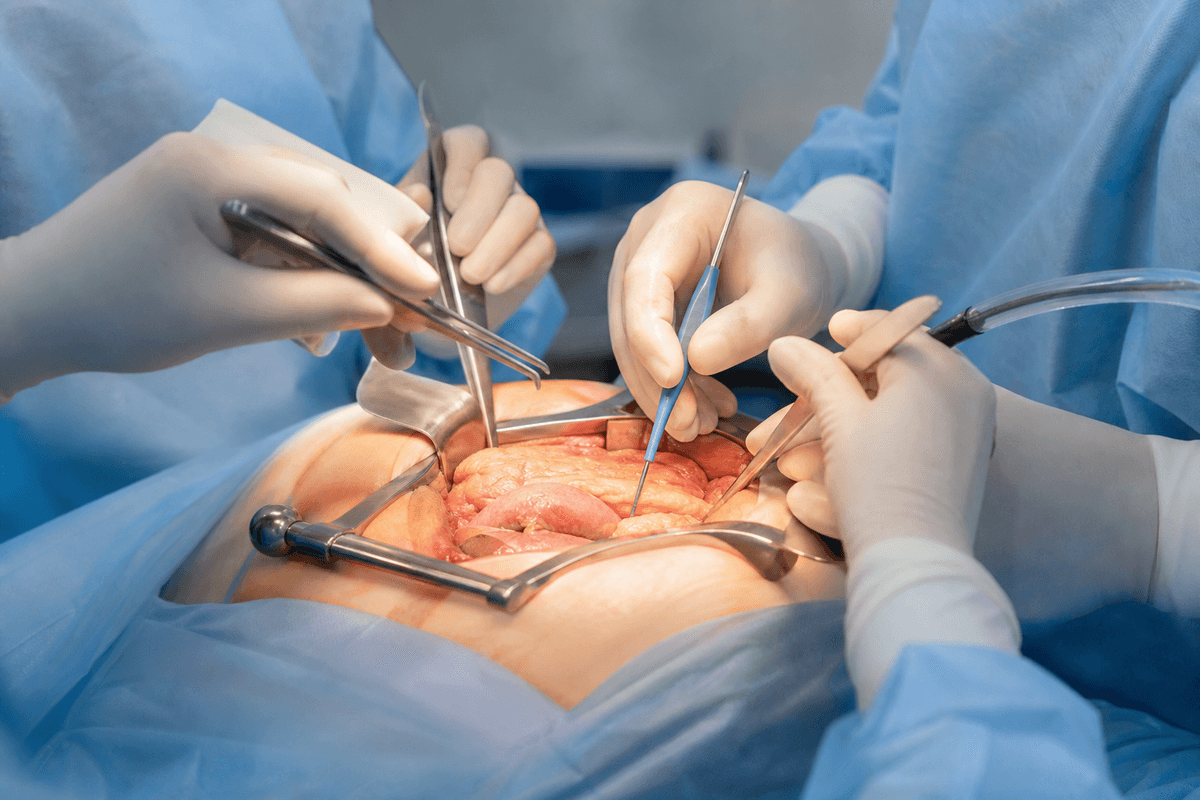
Performed by Dr. Ravi Chandra Reddy Obili at Dr Ravi Chandra Reddy
Pancreatic surgery involves removing part or all of the pancreas to treat tumours, chronic pancreatitis, or injury. The operation can range from removing the head, tail, or body of the pancreas, sometimes with nearby structures. Dr Ravi Chandra Reddy performs these procedures for patients requiring pancreatic intervention after thorough evaluation.
We believe in honest, upfront disclosure so you can make an informed decision.
A step-by-step look at what happens during this procedure.
You are given general anaesthesia so you are completely asleep and pain-free during the operation.
The surgeon makes an incision in the upper abdomen to reach the pancreas, which sits deep behind the stomach and near major blood vessels.
The affected part of the pancreas is carefully separated from surrounding structures and removed. This may include the head, body, tail, or the entire pancreas depending on the problem.
The remaining pancreas, bile duct, and intestine are reconnected to restore the flow of digestive juices. This may involve several careful joins.
Drains are often placed near the pancreas to monitor for leaks. The incision is closed with sutures or staples.
A structured, patient-first approach from first consultation to full recovery.
Dr Ravi Chandra Reddy reviews all imaging and test results, discusses the planned operation and what to expect, and coordinates with the anaesthesia and nursing teams.
The operation is performed with careful attention to preserving blood supply, minimising injury to surrounding organs, and creating secure joins to prevent leaks.
Throughout the procedure, vital signs and blood loss are closely monitored, and adjustments are made to keep you stable.
After surgery, you are monitored in a high-dependency or intensive care setting initially, with attention to fluid balance, nutrition, pain control, and early detection of complications.
What to expect at each stage of your recovery journey.
You will have limited activity, gradual return to eating, wound care, and close monitoring for signs of infection or leaks. Timelines vary and individual instructions from your surgical team take priority.
Strength begins to return, diet is slowly expanded, and you may start light activities. Enzyme supplements or insulin may be started if needed.
Most daily activities can resume, though heavy lifting and strenuous exercise are still avoided. Follow-up imaging or tests may be arranged to check healing and function.
Surgery may relieve pain from chronic pancreatitis or remove tumours causing obstruction or bleeding. It does not reverse all damage to the pancreas.
In cases of cancer, surgery aims to remove the tumour completely when possible. Not all pancreatic cancers can be fully removed, and additional treatment may be needed.
Removing pancreatic tissue can affect insulin production and digestion. Some patients require lifelong enzyme supplements or diabetes medication.
Recovery is gradual and individual. While many people return to normal activities, some face ongoing dietary adjustments or medication needs.
The right choice depends on your diagnosis, risks and circumstances — discussed with you at your consultation.
For certain blockages or cysts, a tube or stent can be placed without surgery. This may be considered when the problem is limited and the patient is not fit for major surgery.
For pancreatic cancer that cannot be removed, or to shrink tumours before surgery, these treatments may be used instead of or alongside surgery.
In chronic pancreatitis, pain control, enzyme supplements, and lifestyle changes may be tried first. Surgery is reserved for cases that do not respond or have complications.
Let's clear up some of the most common myths about pancreatic surgery.
Get a personalised assessment from an experienced specialist. Understand your options, ask your questions, and decide with confidence.