Performed by Dr. Ravi Chandra Reddy Obili at Dr Ravi Chandra Reddy
Colorectal surgery for benign conditions in Visakhapatnam addresses non-cancerous disorders of the colon, rectum, and anus through advanced surgical techniques. These procedures treat conditions such as diverticular disease, inflammatory bowel disease complications, rectal prolapse, and severe hemorrhoids that don't respond to conservative management. Dr Ravi Chandra Reddy Obili specializes in minimally invasive and open surgical approaches tailored to each patient's specific benign colorectal condition.
We believe in honest, upfront disclosure so you can make an informed decision.
A step-by-step look at what happens during this procedure.
Comprehensive evaluation including colonoscopy, CT scan, and blood tests to determine the extent of disease and plan the surgical approach. Nutritional status and comorbidities are optimized before surgery.
General anaesthesia is administered to ensure complete comfort during the procedure. The patient is positioned appropriately on the operating table for optimal surgical access.
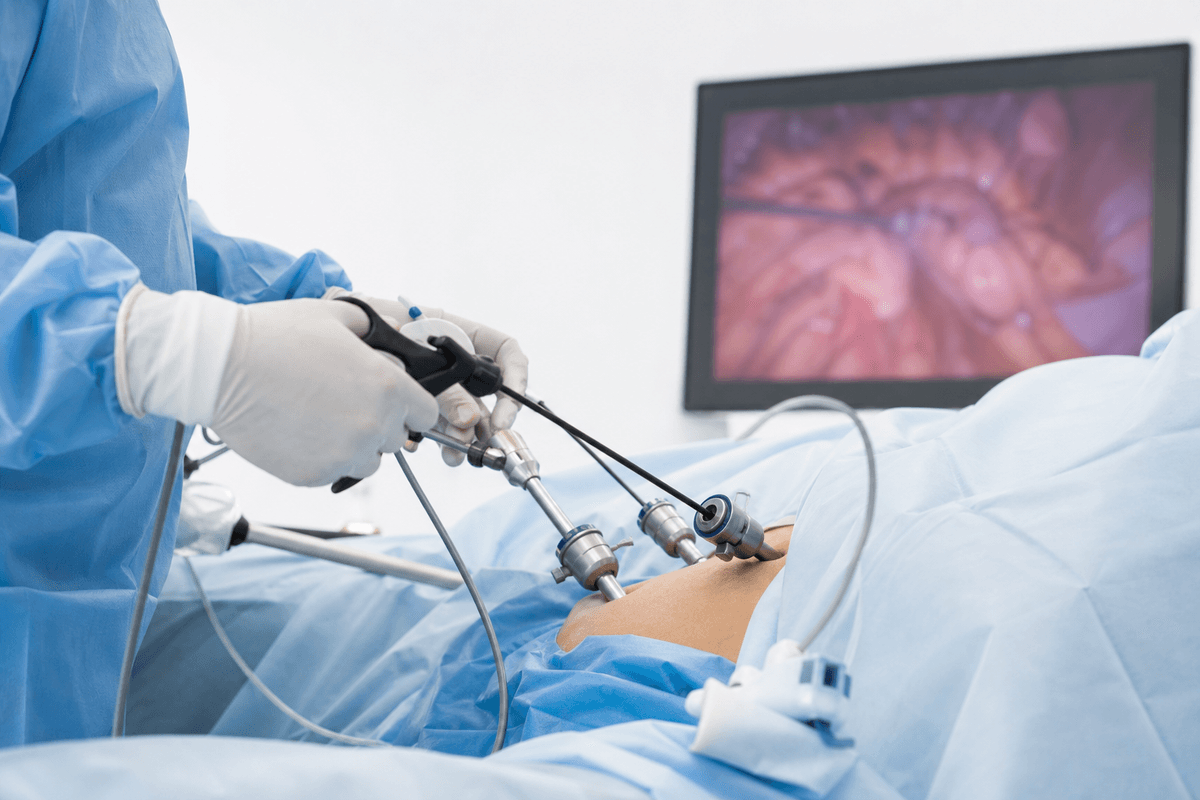
Depending on the condition, either laparoscopic (minimally invasive) or open surgical approach is used to access the affected colorectal segment. Small incisions are made for laparoscopic surgery or a larger incision for open procedures.
The affected portion of the colon or rectum is carefully dissected and removed while preserving healthy tissue and important structures like nerves and blood vessels. Meticulous technique ensures minimal tissue trauma.
Healthy bowel segments are reconnected through anastomosis to restore bowel continuity. In some cases, a temporary stoma may be created. The incisions are closed with sutures and surgical dressings applied.
A structured, patient-first approach from first consultation to full recovery.
Dr Ravi Chandra Reddy Obili conducts thorough preoperative evaluation and creates an individualized surgical plan based on the specific benign condition, patient anatomy, and overall health status to optimize outcomes.
Utilizing state-of-the-art laparoscopic and open surgical methods, Dr Ravi Chandra Reddy performs precise resection and reconstruction with emphasis on preserving bowel function and minimizing complications.
The surgical team implements enhanced recovery protocols including pain management, early mobilization, and nutritional support to accelerate healing and reduce hospital stay duration.
Dr Ravi Chandra Reddy provides ongoing postoperative monitoring with regular follow-up appointments, surveillance colonoscopy when indicated, and guidance on diet and lifestyle modifications for optimal long-term results.
What to expect at each stage of your recovery journey.
First 3-5 days involve hospital monitoring, pain management, gradual resumption of oral intake, and early mobilization to prevent complications. Drainage tubes and catheters are progressively removed as recovery progresses.
Weeks 1-3 focus on wound care, gradual increase in dietary intake, pain control with oral medications, and light walking. Patients avoid heavy lifting and strenuous activities while the surgical site heals.
Weeks 4-8 mark return to normal activities including work and exercise as tolerated. Bowel function normalizes, and patients adapt to dietary modifications. Follow-up visits ensure proper healing and address any concerns.
Most patients experience significant improvement or complete resolution of symptoms such as pain, bleeding, obstruction, or prolapse that prompted surgery, leading to enhanced quality of life.
Surgical correction of benign conditions allows for normalized bowel movements and function, though some patients may experience temporary changes in bowel habits during the adjustment period.
Surgery effectively prevents serious complications associated with untreated benign conditions such as perforation, severe bleeding, complete obstruction, or progressive tissue damage.
Patients benefit from reduced risk of disease recurrence, elimination of chronic symptoms, and ability to resume normal lifestyle activities without the limitations imposed by their benign colorectal condition.
Let's clear up some of the most common myths about colorectal surgery for benign conditions.
Get a personalised assessment from an experienced specialist. Understand your options, ask your questions, and decide with confidence.