Treated by Dr. Ravi Chandra Reddy Obili at Dr Ravi Chandra Reddy
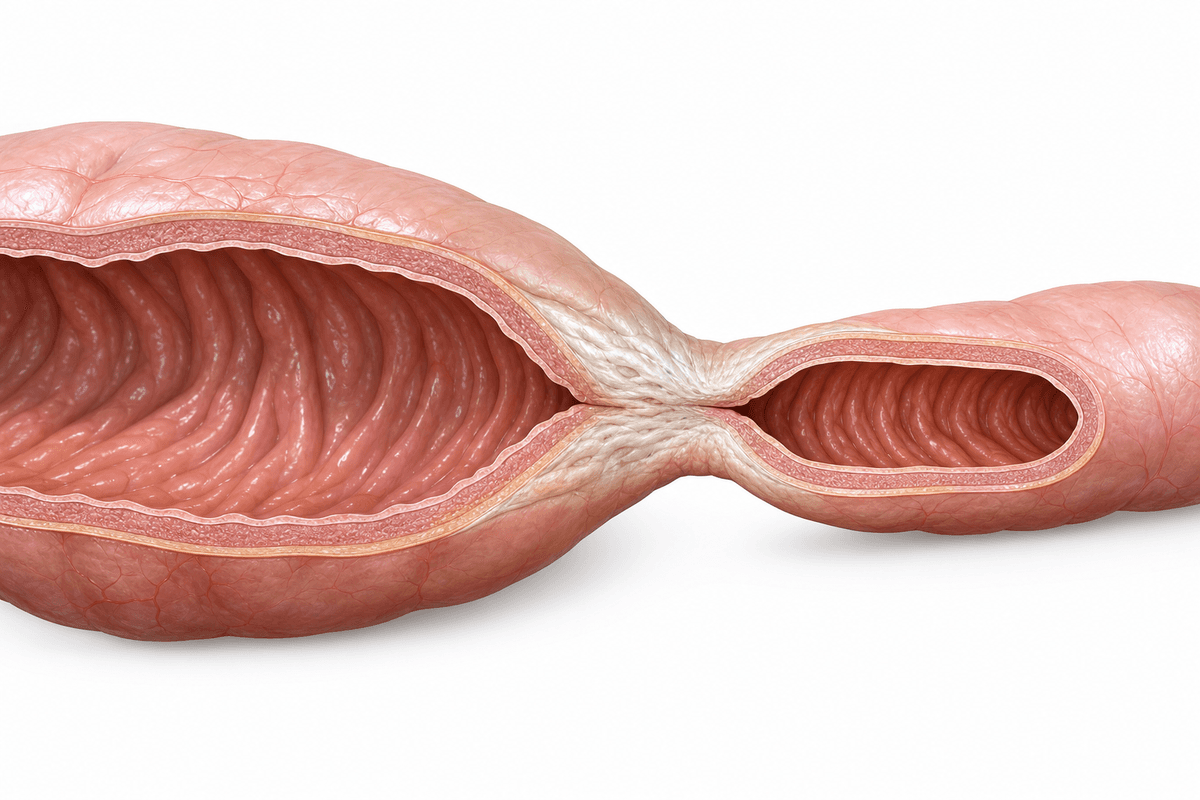
Intestinal strictures in Visakhapatnam involve abnormal narrowing of the intestinal passage that restricts the flow of digestive contents. These strictures can develop in the small or large intestine due to inflammation, scarring, or disease processes, leading to obstruction symptoms. Dr Ravi Chandra Reddy Obili, a specialized surgical gastroenterologist, provides comprehensive diagnostic evaluation and advanced treatment options for patients experiencing intestinal strictures.
Result from chronic inflammation in conditions like Crohn's disease or ulcerative colitis. These strictures develop gradually as repeated cycles of inflammation and healing cause fibrosis and narrowing of the intestinal wall.
Occur at surgical connection sites where two segments of intestine have been joined together. These can develop weeks to months after surgery due to scar tissue formation at the anastomosis site.
Develop following inadequate blood supply to intestinal segments, causing tissue damage and subsequent scarring. These strictures typically occur after episodes of mesenteric ischemia or as complications of radiation therapy.
Multiple factors can contribute to the development and progression of this condition.
Intestinal strictures develops gradually. Recognising symptoms early gives you more treatment options.
From conservative to surgical — we always start with the least invasive option first.
A structured, patient-first approach from first visit to full recovery.
Dr Ravi Chandra Reddy Obili conducts thorough clinical assessment including detailed history, physical examination, and orders advanced imaging such as CT enterography, MR enterography, or contrast studies to precisely locate and characterize the strictures, assess their length, degree of narrowing, and identify underlying causes.
Colonoscopy or enteroscopy is performed to directly visualize the stricture, assess its characteristics, rule out malignancy through targeted biopsies, and determine if the stricture is amenable to endoscopic dilation while evaluating the surrounding intestinal mucosa for inflammatory changes.
Based on stricture characteristics, underlying etiology, patient's overall health, and previous treatments, Dr Ravi Chandra Reddy formulates an individualized treatment strategy ranging from medical management and endoscopic dilation to surgical intervention, discussing all options, risks, and expected outcomes with the patient.
When surgical treatment is necessary, Dr Ravi Chandra Reddy employs minimally invasive laparoscopic techniques whenever possible, performing stricturoplasty to preserve bowel length or resection with anastomosis for definitive treatment, ensuring meticulous technique to minimize complications and optimize long-term outcomes.
What to expect at each phase of recovery.
Following endoscopic dilation, patients typically resume diet within hours and are discharged the same day. After surgical intervention, patients remain hospitalized for 3-7 days with gradual advancement of diet, pain management, and monitoring for complications such as anastomotic leak or obstruction.
Over 2-4 weeks, patients progressively return to normal activities with dietary modifications gradually liberalized. Surgical patients avoid heavy lifting and strenuous activities for 4-6 weeks. Regular follow-up appointments monitor wound healing, bowel function, nutritional status, and early detection of any complications.
Ongoing management focuses on preventing recurrence through medical therapy for underlying conditions, dietary counseling, regular surveillance with imaging or endoscopy, and prompt intervention if symptoms recur. Most patients achieve significant improvement in quality of life with proper management and monitoring.
Over 80% of patients experience significant relief from obstructive symptoms including abdominal pain, bloating, and difficulty with bowel movements following appropriate treatment, with improved ability to tolerate regular diet and enhanced quality of life.
Timely intervention prevents serious complications such as complete intestinal obstruction, perforation, or fistula formation, reducing emergency surgery risk and preserving intestinal function and length for long-term nutritional health.
Endoscopic dilation has 50-60% recurrence rates requiring repeat procedures, while surgical resection offers lower recurrence rates of 20-30%, with stricturoplasty showing intermediate results depending on underlying disease control and patient compliance with medical therapy.
Patients report substantial improvements in daily functioning, nutritional status, and overall well-being following successful treatment, with ability to maintain work, social activities, and normal dietary intake, though ongoing management of underlying conditions remains essential.
Untreated intestinal strictures progressively worsen, leading to complete bowel obstruction requiring emergency surgery with higher complication risks. Chronic partial obstruction causes malnutrition, weight loss, and severe abdominal pain that significantly impacts quality of life. Prolonged obstruction can result in intestinal perforation, peritonitis, sepsis, and life-threatening complications.
Seek immediate medical attention if experiencing severe abdominal pain, persistent vomiting, inability to pass stool or gas, or abdominal distension, as these may indicate complete obstruction. Schedule consultation with Dr Ravi Chandra Reddy Obili if experiencing recurrent abdominal cramping after meals, unexplained weight loss, or progressive changes in bowel habits. Early evaluation and treatment prevent complications and preserve intestinal function.
Early treatment means more options and better outcomes. Book a consultation to understand your condition and explore the right path forward.