Treated by Dr. Ravi Chandra Reddy Obili at Dr Ravi Chandra Reddy
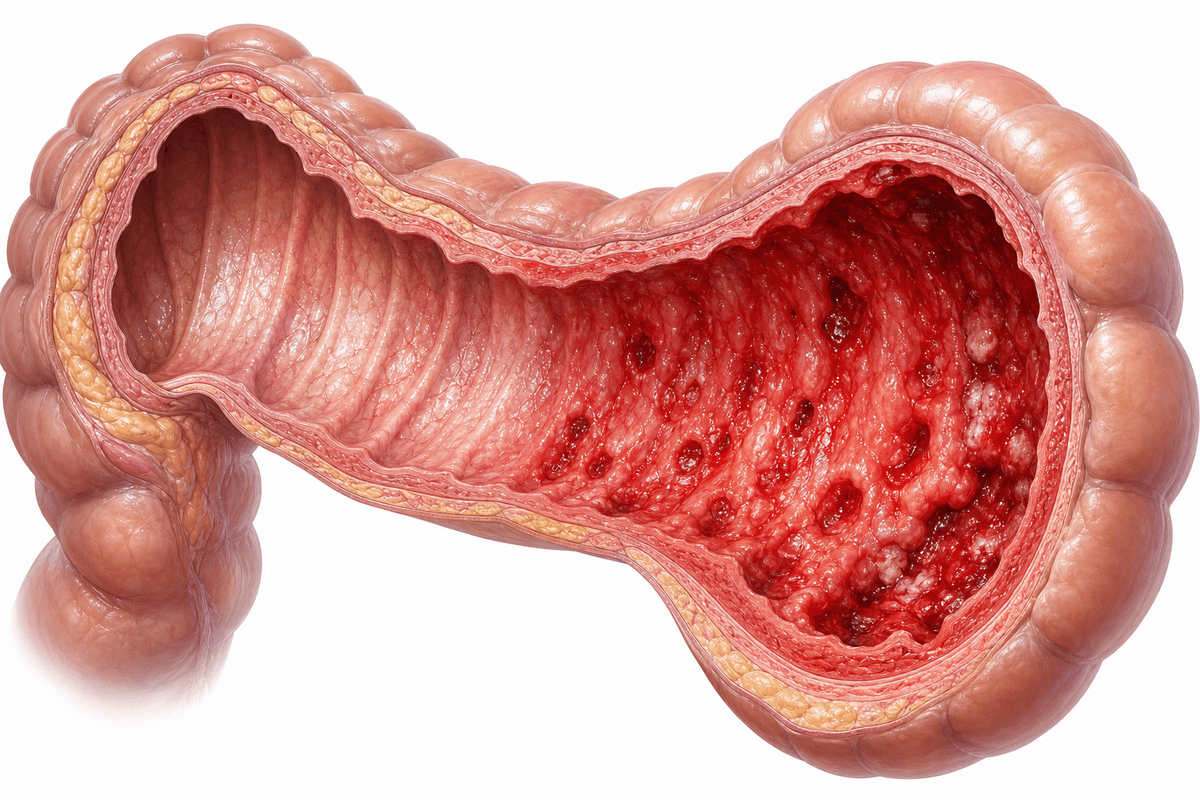
Ulcerative colitis is a chronic inflammatory bowel disease affecting the colon and rectum, commonly seen in patients across Visakhapatnam. This condition causes continuous inflammation and ulceration of the intestinal lining, leading to debilitating symptoms that significantly impact quality of life. Dr Ravi Chandra Reddy Obili provides comprehensive medical and surgical management for ulcerative colitis with advanced treatment protocols.
Inflammation limited to the rectum, typically the mildest form with symptoms including rectal bleeding, urgency, and tenesmus. Often responds well to topical medications.
Inflammation extends from the rectum through the sigmoid and descending colon, causing left-sided abdominal cramping, bloody diarrhea, and unintended weight loss.
Affects the entire colon with severe symptoms including profuse bloody diarrhea, abdominal pain, fatigue, and significant weight loss. Requires aggressive medical management or surgery.
Multiple factors can contribute to the development and progression of this condition.
Ulcerative colitis develops gradually. Recognising symptoms early gives you more treatment options.
From conservative to surgical — we always start with the least invasive option first.
A structured, patient-first approach from first visit to full recovery.
Dr Ravi Chandra Reddy Obili performs detailed colonoscopy with multiple biopsies, laboratory investigations including inflammatory markers, and imaging studies to accurately assess disease extent, severity, and rule out complications.
Based on disease classification and patient factors, Dr Obili develops an individualized treatment strategy incorporating appropriate medical therapies, nutritional interventions, and discusses surgical options when indicated for optimal disease control.
For medically refractory cases or complications, Dr Obili performs minimally invasive laparoscopic procedures or complex restorative surgeries using state-of-the-art techniques, ensuring minimal trauma and faster recovery with excellent functional outcomes.
Dr Obili provides structured follow-up with regular colonoscopic surveillance for dysplasia detection, medication adjustments, nutritional monitoring, and psychosocial support to maintain remission and prevent complications throughout the patient's journey.
What to expect at each phase of recovery.
Following medical therapy initiation, symptom improvement typically begins within 2-4 weeks with gradual reduction in bleeding and diarrhea frequency. Surgical patients remain hospitalized 4-7 days with pain management, early mobilization, and dietary advancement protocols.
Over 3-6 months, patients adjust to new medications or post-surgical anatomy with dietary modifications, activity resumption, and lifestyle adaptations. Pouch function gradually improves in surgical patients with decreasing stool frequency and better continence.
Sustained remission requires ongoing medication adherence, regular surveillance colonoscopies every 1-2 years, nutritional optimization, and prompt management of minor flares. Most patients achieve good quality of life with proper long-term management strategies.
Approximately 70-80% of patients achieve clinical remission with appropriate medical therapy, experiencing significant reduction in bloody diarrhea, abdominal pain, and urgency, allowing return to normal daily activities.
Effective treatment leads to endoscopic mucosal healing in 40-60% of patients, which correlates with sustained remission, reduced hospitalization rates, and decreased need for surgical intervention over time.
Patients undergoing ileal pouch-anal anastomosis achieve excellent functional outcomes with average 6-8 bowel movements daily, over 90% continence rates, and elimination of disease without permanent stoma in most cases.
Comprehensive management including medical or surgical treatment results in substantial improvement in physical, emotional, and social functioning with most patients returning to work, education, and recreational activities without significant restrictions.
Untreated ulcerative colitis leads to progressive disease with increased risk of severe complications including toxic megacolon, perforation, and massive hemorrhage requiring emergency surgery. Chronic inflammation significantly elevates colorectal cancer risk, especially after 8-10 years of disease duration. Patients experience persistent debilitating symptoms, malnutrition, anemia, and substantially impaired quality of life with frequent hospitalizations.
Seek immediate medical attention if you experience persistent bloody diarrhea, severe abdominal pain, high fever above 101°F, signs of dehydration, or rapid unintended weight loss. Consult Dr Ravi Chandra Reddy Obili promptly if you have new onset of bowel symptoms, worsening of existing symptoms despite treatment, or if current medications are causing intolerable side effects. Early intervention prevents complications and improves long-term outcomes.
Early treatment means more options and better outcomes. Book a consultation to understand your condition and explore the right path forward.