Performed by Dr. Ravi Chandra Reddy Obili at Dr Ravi Chandra Reddy
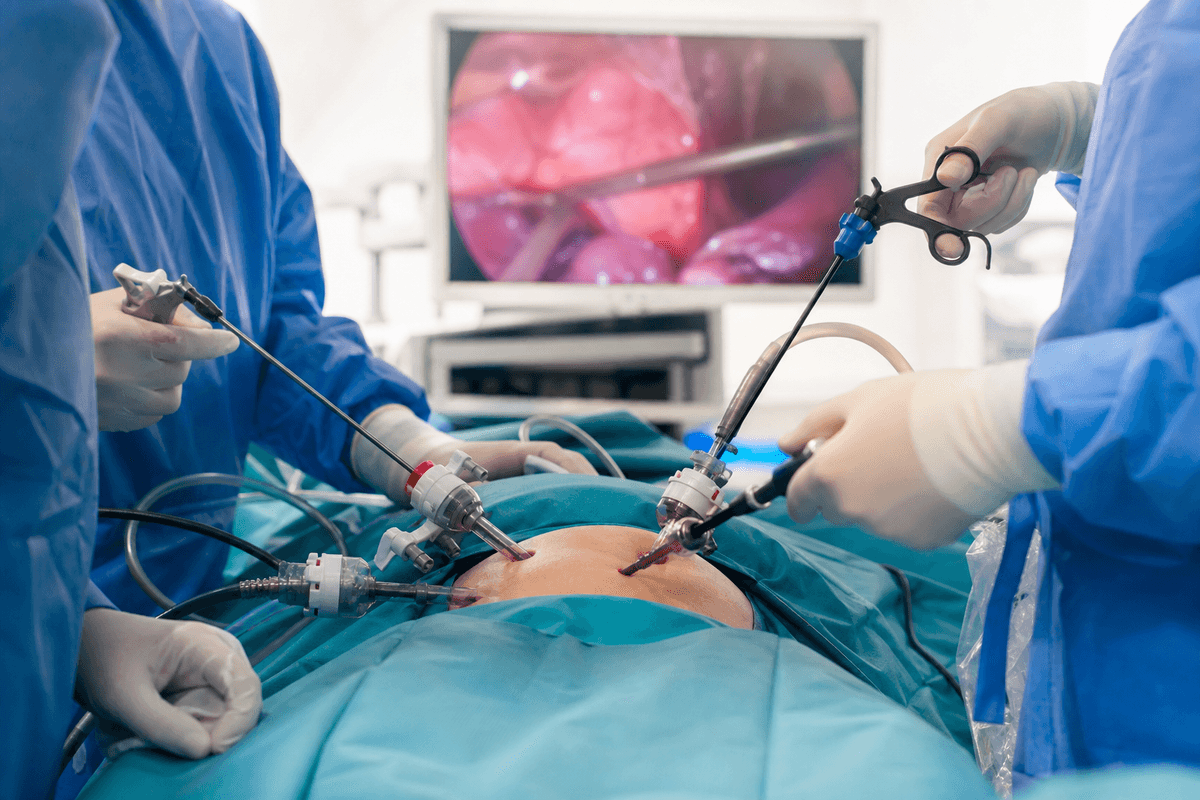
Colorectal Cancer Surgery in Visakhapatnam provides comprehensive surgical treatment for cancers affecting the colon and rectum, utilizing advanced techniques including minimally invasive and robotic approaches. This complex procedure involves removing cancerous tissue and surrounding lymph nodes to achieve optimal oncological outcomes. Dr Ravi Chandra Reddy Obili, an experienced Surgical Gastroenterologist, specializes in delivering expert colorectal cancer care with a focus on patient safety and long-term survival.
We believe in honest, upfront disclosure so you can make an informed decision.
A step-by-step look at what happens during this procedure.
Comprehensive evaluation including CT scans, MRI, PET scans, and colonoscopy to determine the exact location, size, and spread of the cancer, enabling precise surgical planning.
The cancerous portion of the colon or rectum is removed along with adequate margins of healthy tissue and regional lymph nodes to ensure complete tumor removal and accurate staging.
Surrounding lymph nodes are systematically removed and examined for cancer spread, which is crucial for staging and determining the need for additional chemotherapy or radiation therapy.
The healthy ends of the bowel are reconnected using either hand-sewn or stapled techniques to restore intestinal continuity and normal bowel function.
In selected cases, a temporary or permanent colostomy or ileostomy may be created to divert stool, allowing the surgical site to heal or providing a permanent alternative when reconnection is not feasible.
A structured, patient-first approach from first consultation to full recovery.
Dr Ravi Chandra Reddy conducts thorough preoperative evaluation including advanced imaging and multidisciplinary tumor board discussions to develop a personalized surgical strategy tailored to each patient's cancer stage and overall health.
Whenever feasible, laparoscopic or robotic-assisted approaches are employed to minimize surgical trauma, reduce post-operative pain, accelerate recovery, and improve cosmetic outcomes while maintaining oncological safety.
Implementation of evidence-based Enhanced Recovery After Surgery (ERAS) protocols including optimized pain management, early mobilization, and nutritional support to expedite healing and reduce hospital stay duration.
Coordinated post-operative care involving medical oncologists, radiation oncologists, and specialized nurses ensures appropriate adjuvant therapy, regular surveillance colonoscopy, and comprehensive survivorship support.
What to expect at each stage of your recovery journey.
The first 24-48 hours involve intensive monitoring in the recovery unit, pain management through epidural or IV medications, gradual mobilization, and initiation of clear liquids once bowel function begins to return.
Days 2-7 focus on progressive diet advancement from liquids to solid foods, increased physical activity with walking, wound care, stoma management education if applicable, and monitoring for complications before discharge.
Weeks 1-6 involve continued healing at home with gradual return to daily activities, dietary modifications to manage bowel function, incision care, follow-up appointments, and preparation for adjuvant therapy if recommended based on pathology results.
Successful surgical resection with clear margins and lymph node assessment provides the best chance for cure in localized disease, with five-year survival rates exceeding 90% for stage I cancers and varying based on stage at diagnosis.
Most patients regain normal or near-normal bowel function within weeks to months after surgery, though some adjustments in frequency and consistency may persist, particularly with rectal cancer surgery.
Relief from cancer-related symptoms such as bleeding, obstruction, and pain significantly improves quality of life, enabling patients to return to work, social activities, and normal daily routines.
Regular post-operative surveillance with colonoscopy, imaging, and tumor marker monitoring enables early detection of recurrence, with timely intervention improving outcomes and long-term survival.
Let's clear up some of the most common myths about colorectal cancer surgery.
Get a personalised assessment from an experienced specialist. Understand your options, ask your questions, and decide with confidence.