Treated by Dr. Ravi Chandra Reddy Obili at Dr Ravi Chandra Reddy
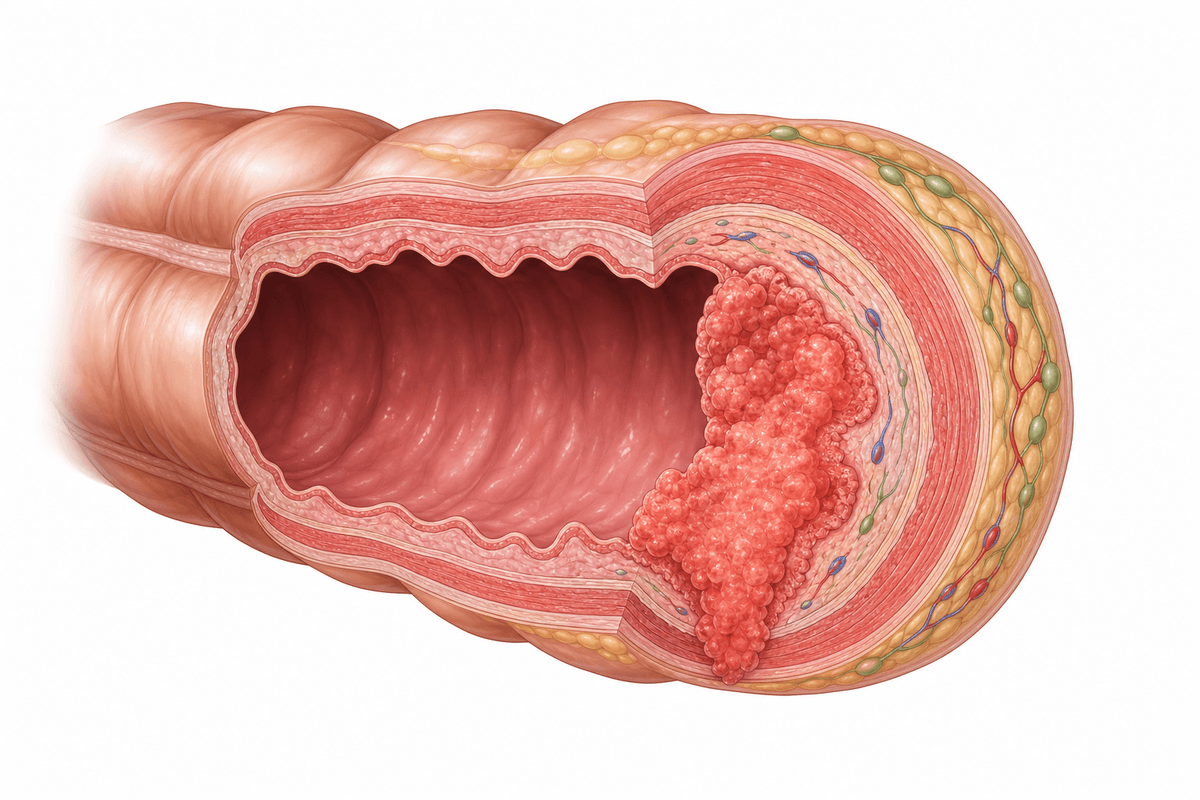
Colon cancer, also known as colorectal cancer, affects the large intestine and is a significant health concern in Visakhapatnam. This malignancy develops from polyps in the colon lining and can spread if not detected early. Early diagnosis and comprehensive treatment significantly improve outcomes. Dr Ravi Chandra Reddy Obili, an expert Surgical Gastroenterologist, provides advanced surgical and minimally invasive treatment options for colon cancer patients.
The most common type accounting for 95% of colon cancers, developing from glandular cells in the colon lining. This cancer typically starts as benign polyps that transform into malignant growths over time.
Slow-growing neuroendocrine tumors that develop from hormone-producing cells in the colon. These tumors are less aggressive but can still spread to other organs if left untreated.
Rare tumors originating from specialized cells in the colon wall called interstitial cells of Cajal. These can be benign or malignant and require specialized surgical management.
Multiple factors can contribute to the development and progression of this condition.
Colon cancers develops gradually. Recognising symptoms early gives you more treatment options.
From conservative to surgical — we always start with the least invasive option first.
A structured, patient-first approach from first visit to full recovery.
Dr Ravi Chandra Reddy Obili conducts thorough colonoscopy with biopsy, CT staging scans, and molecular testing to determine exact cancer location, stage, and genetic profile for personalized treatment planning.
Treatment strategy is developed in consultation with medical oncologists, radiation oncologists, and pathologists to determine optimal surgical approach, timing, and need for neoadjuvant or adjuvant therapy based on individual case.
Dr Ravi Chandra Reddy performs precise laparoscopic or open colectomy with meticulous lymph node dissection, ensuring complete cancer removal while preserving maximum bowel function and implementing enhanced recovery protocols for faster healing.
Regular postoperative monitoring includes CEA tumor marker testing, surveillance colonoscopy, and imaging studies to detect early recurrence, manage any complications, and coordinate ongoing adjuvant therapy with oncology team.
What to expect at each phase of recovery.
Hospital stay with pain management, gradual diet advancement from liquids to solids, early mobilization to prevent complications, and surgical wound care. Most patients resume light activities within two weeks after laparoscopic surgery.
Progressive return to normal diet and activities with dietary modifications as needed. Adjuvant chemotherapy may commence 4-6 weeks post-surgery if indicated. Regular follow-up visits to monitor healing and address any concerns.
Structured surveillance program with colonoscopy at one year then every 3-5 years, CEA monitoring every 3-6 months for five years, and annual CT scans for high-risk cases. Continued lifestyle modifications and nutritional support for optimal health.
Stage I and II colon cancers have 5-year survival rates exceeding 90% with complete surgical resection. Early detection through screening colonoscopy significantly improves treatment success and reduces need for extensive therapy.
Minimally invasive laparoscopic techniques result in less postoperative pain, faster recovery, better cosmetic results, and earlier return to work and normal activities compared to traditional open surgery.
Advanced surgical techniques with bowel anastomosis maintain normal digestive function in most cases. Permanent colostomy is rarely needed except in select advanced rectal cancers or emergency presentations with complications.
Combination of complete surgical resection, appropriate adjuvant therapy, and regular surveillance achieves excellent long-term disease control. Recurrence detection and management protocols ensure optimal outcomes even in advanced stages.
Untreated colon cancer progressively grows and spreads to regional lymph nodes, liver, lungs, and distant organs, causing severe complications including complete bowel obstruction, perforation with peritonitis, and life-threatening bleeding. Advanced metastatic disease becomes incurable and leads to progressive debilitation, cachexia, and significantly reduced survival. Early intervention is critical as colon cancer is highly curable when detected and treated at early stages.
Seek immediate medical attention if you experience persistent changes in bowel habits lasting more than two weeks, blood in stool, unexplained weight loss, severe abdominal pain, or signs of bowel obstruction. Individuals over 45 years, those with family history of colon cancer, or those with inflammatory bowel disease should undergo regular screening colonoscopy. Consult Dr Ravi Chandra Reddy Obili promptly for any concerning gastrointestinal symptoms for early diagnosis and optimal treatment outcomes.
Early treatment means more options and better outcomes. Book a consultation to understand your condition and explore the right path forward.