Treated by Dr. Ravi Chandra Reddy Obili at Dr Ravi Chandra Reddy
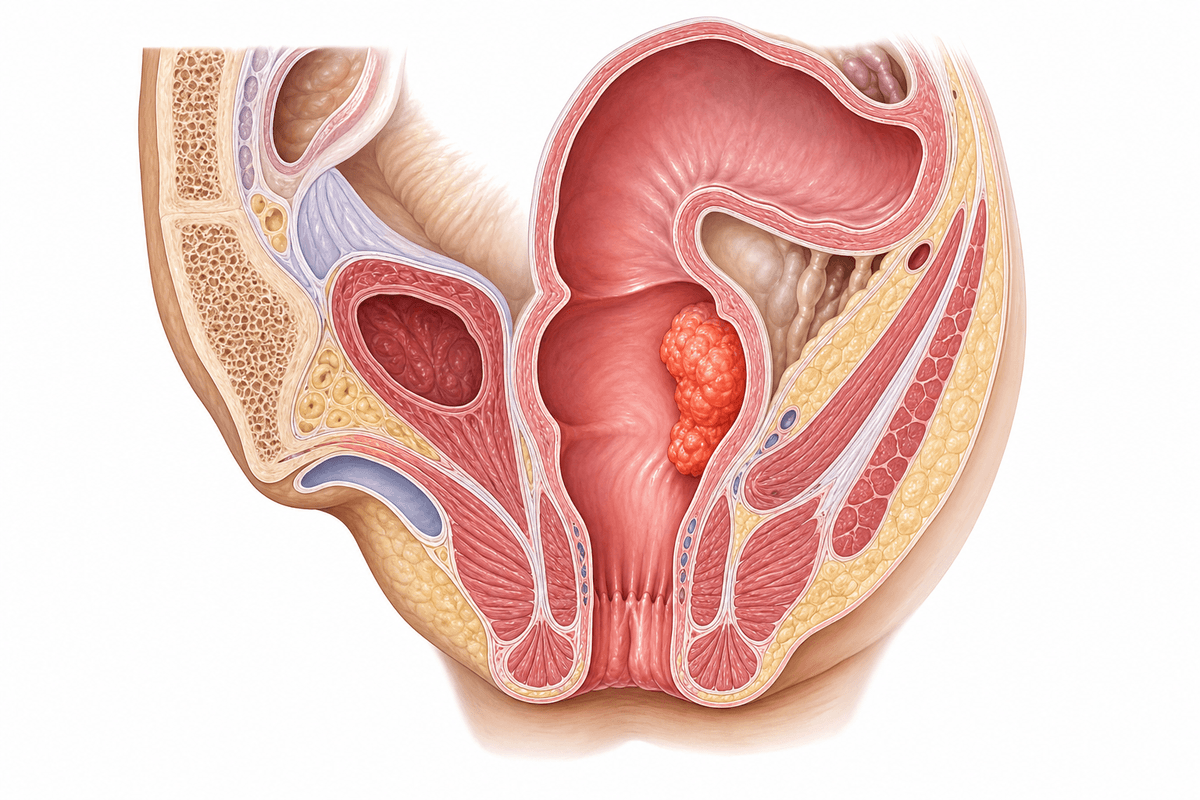
Rectal cancer in Visakhapatnam is a malignant tumor developing in the last 15 centimeters of the large intestine, requiring specialized surgical gastroenterological intervention. This condition demands comprehensive multidisciplinary treatment combining surgery, chemotherapy, and radiation therapy based on tumor stage and location. Dr Ravi Chandra Reddy Obili provides expert surgical management for rectal cancers with advanced minimally invasive and open surgical techniques.
The most common type accounting for over 95% of rectal cancers, arising from glandular cells lining the rectum. These tumors develop from adenomatous polyps and vary in differentiation grades affecting prognosis and treatment approach.
Rare neuroendocrine tumors originating from hormone-producing cells in the rectal lining, typically slow-growing and often discovered incidentally. These tumors may secrete hormones causing carcinoid syndrome and require specialized surgical management.
Uncommon mesenchymal tumors arising from interstitial cells of Cajal in the rectal wall, distinct from adenocarcinomas. These tumors require targeted molecular therapy and surgical resection with specific considerations for negative margins.
Multiple factors can contribute to the development and progression of this condition.
Rectal cancers develops gradually. Recognising symptoms early gives you more treatment options.
From conservative to surgical — we always start with the least invasive option first.
A structured, patient-first approach from first visit to full recovery.
Dr Ravi Chandra Reddy Obili conducts thorough clinical examination, digital rectal examination, and orders complete colonoscopy with biopsy. Advanced imaging including pelvic MRI for local staging and CT chest-abdomen for metastasis detection ensures accurate treatment planning with multidisciplinary tumor board discussion.
Based on tumor location, stage, and patient factors, Dr Obili designs individualized treatment strategies incorporating neoadjuvant therapy when indicated. Treatment plans consider sphincter preservation possibilities, quality of life outcomes, and oncological safety with clear communication of all options and expected outcomes.
Dr Obili performs meticulous rectal cancer surgery using laparoscopic or open techniques ensuring complete total mesorectal excision with negative margins. Advanced surgical expertise includes nerve-sparing techniques, sphincter preservation when oncologically appropriate, and optimal anastomotic techniques minimizing complications.
Comprehensive postoperative management includes adjuvant chemotherapy coordination, regular surveillance with CEA monitoring, colonoscopy, and imaging. Dr Obili ensures multidisciplinary follow-up with oncology teams, stoma care training when needed, and long-term monitoring for recurrence detection and management of treatment effects.
What to expect at each phase of recovery.
Hospital stay of 5-10 days with pain management, early mobilization, and gradual diet advancement. Monitoring for anastomotic leaks, wound healing, and bowel function return with drainage tube management and stoma care education when applicable before discharge.
Recovery over 4-6 weeks with gradual return to activities, dietary modifications, and wound care. Adjuvant chemotherapy typically begins 4-8 weeks post-surgery for appropriate stages, with ongoing monitoring of bowel function adaptation and nutritional optimization.
Lifelong surveillance with regular CEA testing, colonoscopy, and imaging as per protocols. Adaptation to bowel function changes including low anterior resection syndrome management, stoma care if applicable, and psychological support ensuring optimal quality of life and early recurrence detection.
Properly staged and treated rectal cancer achieves 5-year survival rates of 65-90% depending on stage at diagnosis. Complete surgical resection with negative margins combined with appropriate multimodal therapy offers the best chance for cure and long-term disease-free survival.
Advanced surgical techniques and neoadjuvant therapy enable sphincter preservation in 70-80% of appropriate cases, avoiding permanent colostomy. Patients maintain natural bowel function with acceptable quality of life, though some may experience low anterior resection syndrome requiring management.
Minimally invasive surgical approaches reduce postoperative pain, scarring, and recovery time enabling faster return to normal activities. Comprehensive care including nutritional support, stoma management when needed, and psychological counseling ensures optimal functional outcomes and patient satisfaction.
Total mesorectal excision technique with negative circumferential margins reduces local recurrence rates to below 10% in experienced hands. Combined with appropriate adjuvant therapy and surveillance, patients achieve durable disease control with early detection of any recurrence enabling salvage treatment.
Untreated rectal cancer progresses relentlessly, causing complete bowel obstruction, severe bleeding, intractable pain, and local invasion into surrounding pelvic organs including bladder and reproductive structures. Metastatic spread to liver, lungs, and distant sites becomes inevitable, leading to cachexia, organ failure, and death typically within 1-2 years of diagnosis. Early intervention offers curative potential that diminishes rapidly with disease progression.
Seek immediate medical attention for persistent rectal bleeding, unexplained changes in bowel habits lasting more than two weeks, blood in stool, or unexplained weight loss. Individuals over 45 years with family history of colorectal cancer, those with inflammatory bowel disease, or anyone experiencing new-onset abdominal pain with altered bowel patterns should undergo prompt evaluation. Early detection through screening colonoscopy and timely consultation with Dr Ravi Chandra Reddy Obili significantly improves treatment outcomes and survival rates.
Early treatment means more options and better outcomes. Book a consultation to understand your condition and explore the right path forward.