Treated by Dr. Ravi Chandra Reddy Obili at Dr Ravi Chandra Reddy
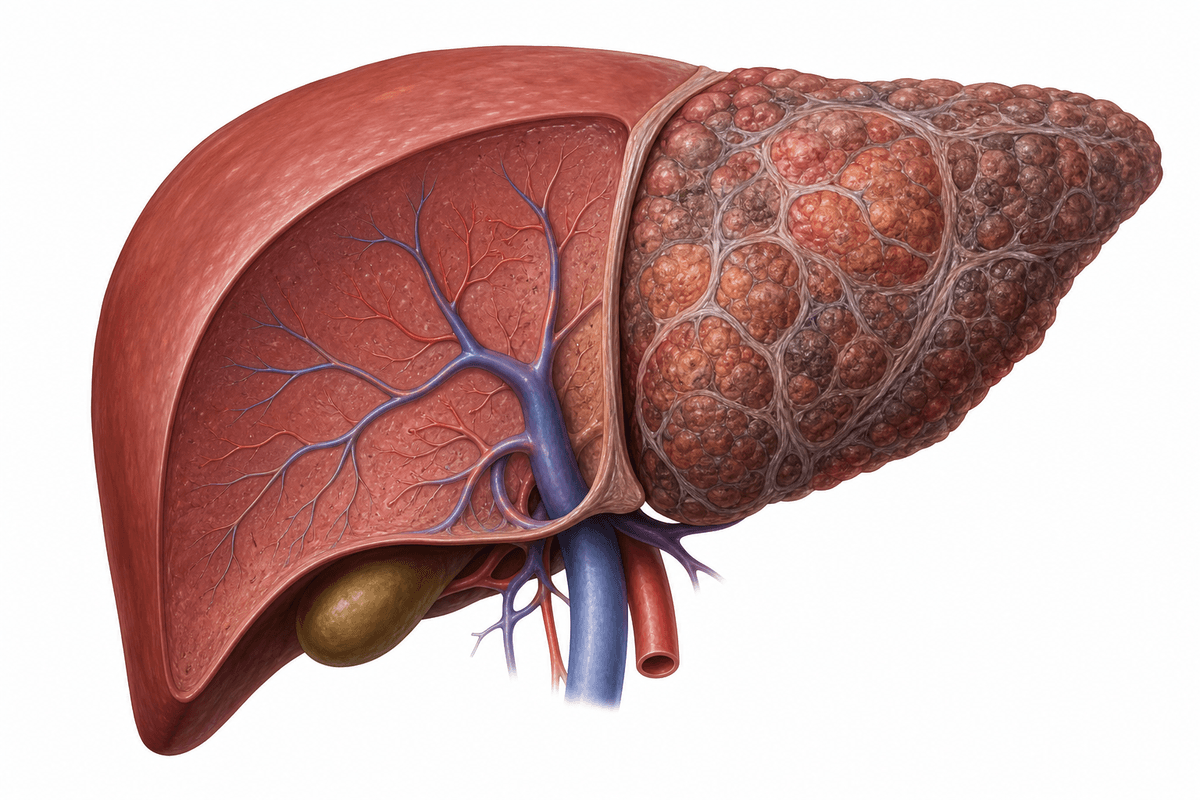
Advanced liver disease management in Visakhapatnam addresses severe hepatic conditions including cirrhosis, portal hypertension, and hepatic failure requiring specialized intervention. These life-threatening conditions demand comprehensive evaluation and multidisciplinary treatment approaches. Dr Ravi Chandra Reddy Obili provides expert surgical gastroenterology care for patients with advanced liver disease, offering evidence-based treatment protocols tailored to individual patient needs.
Advanced stage of chronic liver disease characterized by development of complications including ascites, variceal bleeding, hepatic encephalopathy, and hepatorenal syndrome requiring urgent medical and surgical interventions.
Elevated pressure in the portal venous system leading to varices, splenomegaly, ascites, and increased risk of gastrointestinal bleeding requiring endoscopic, radiological, or surgical management strategies.
Rapid deterioration of liver function in patients with pre-existing chronic liver disease, presenting with jaundice, coagulopathy, encephalopathy, and multi-organ dysfunction requiring intensive care and bridging to transplantation.
Multiple factors can contribute to the development and progression of this condition.
Management of Advanced Liver Disease develops gradually. Recognising symptoms early gives you more treatment options.
From conservative to surgical — we always start with the least invasive option first.
A structured, patient-first approach from first visit to full recovery.
Dr Ravi Chandra Reddy Obili performs thorough evaluation including detailed history, physical examination, liver function tests, viral markers, imaging studies (ultrasound, CT, MRI), upper GI endoscopy for varices, and MELD score calculation to assess disease severity and prognosis.
Based on assessment findings, Dr Obili develops individualized management protocols coordinating with hepatologists, interventional radiologists, and transplant teams to determine optimal therapeutic strategy including medical optimization, endoscopic interventions, TIPS procedures, or transplant evaluation.
Dr Ravi Chandra Reddy performs necessary surgical procedures including management of variceal bleeding, treatment of hepatobiliary complications, portal decompression surgeries, and coordination of liver transplantation procedures using advanced surgical techniques and minimally invasive approaches when appropriate.
Comprehensive post-treatment surveillance with regular clinical assessments, laboratory monitoring, imaging studies, endoscopic surveillance for varices, screening for hepatocellular carcinoma, and management of complications ensuring optimal long-term outcomes and quality of life for patients with advanced liver disease.
What to expect at each phase of recovery.
Initial 1-2 weeks focus on managing acute complications including bleeding control, ascites management, encephalopathy treatment, and hemodynamic stabilization. Patients require close monitoring in hospital setting with frequent laboratory assessments and clinical evaluations to ensure physiological stability.
Weeks 2-12 involve nutritional rehabilitation, physical therapy, medication optimization, and treatment of underlying liver disease etiology. Patients gradually regain strength while medical therapy is fine-tuned to prevent complications and improve functional status for potential transplant candidacy.
Beyond 3 months, focus shifts to sustained disease management, regular surveillance for complications, hepatocellular carcinoma screening every 6 months, endoscopic variceal surveillance, and lifestyle modifications. Patients remain on maintenance therapy with periodic clinic visits to monitor disease progression and adjust treatment protocols.
Effective management significantly reduces risk of variceal bleeding, controls ascites, prevents hepatic encephalopathy episodes, and minimizes hospitalizations. Patients experience improved symptom control and stabilization of liver function with appropriate medical and interventional therapies.
Comprehensive treatment approach alleviates debilitating symptoms including fatigue, ascites discomfort, and cognitive impairment from encephalopathy. Patients achieve better functional capacity, nutritional status, and psychological well-being with optimized disease management protocols.
For transplant candidates, appropriate management maintains adequate organ function and prevents life-threatening complications while awaiting donor availability. TIPS procedures and endoscopic interventions provide effective bridge therapy ensuring patients survive to receive definitive transplant treatment.
Timely intervention and comprehensive management significantly improve survival outcomes in advanced liver disease. Liver transplantation offers 5-year survival rates exceeding 75%, while non-surgical management extends meaningful survival with maintained quality of life for non-transplant candidates.
Untreated advanced liver disease leads to progressive hepatic decompensation with fatal complications including massive variceal hemorrhage, spontaneous bacterial peritonitis, hepatorenal syndrome, and severe hepatic encephalopathy. Patients develop multi-organ failure with median survival of 6-12 months without intervention. Hepatocellular carcinoma risk increases substantially in cirrhotic patients, further worsening prognosis and limiting treatment options.
Seek immediate medical attention if you experience signs of liver disease complications including yellowing of skin or eyes, abdominal swelling, vomiting blood, black tarry stools, confusion or altered mental status, or severe abdominal pain. Early consultation with Dr Ravi Chandra Reddy Obili is essential for patients with known chronic liver disease showing signs of decompensation. Timely evaluation enables appropriate intervention before life-threatening complications develop, optimizing treatment outcomes and potential transplant candidacy.
Early treatment means more options and better outcomes. Book a consultation to understand your condition and explore the right path forward.