Treated by Dr. Ravi Chandra Reddy Obili at Dr Ravi Chandra Reddy
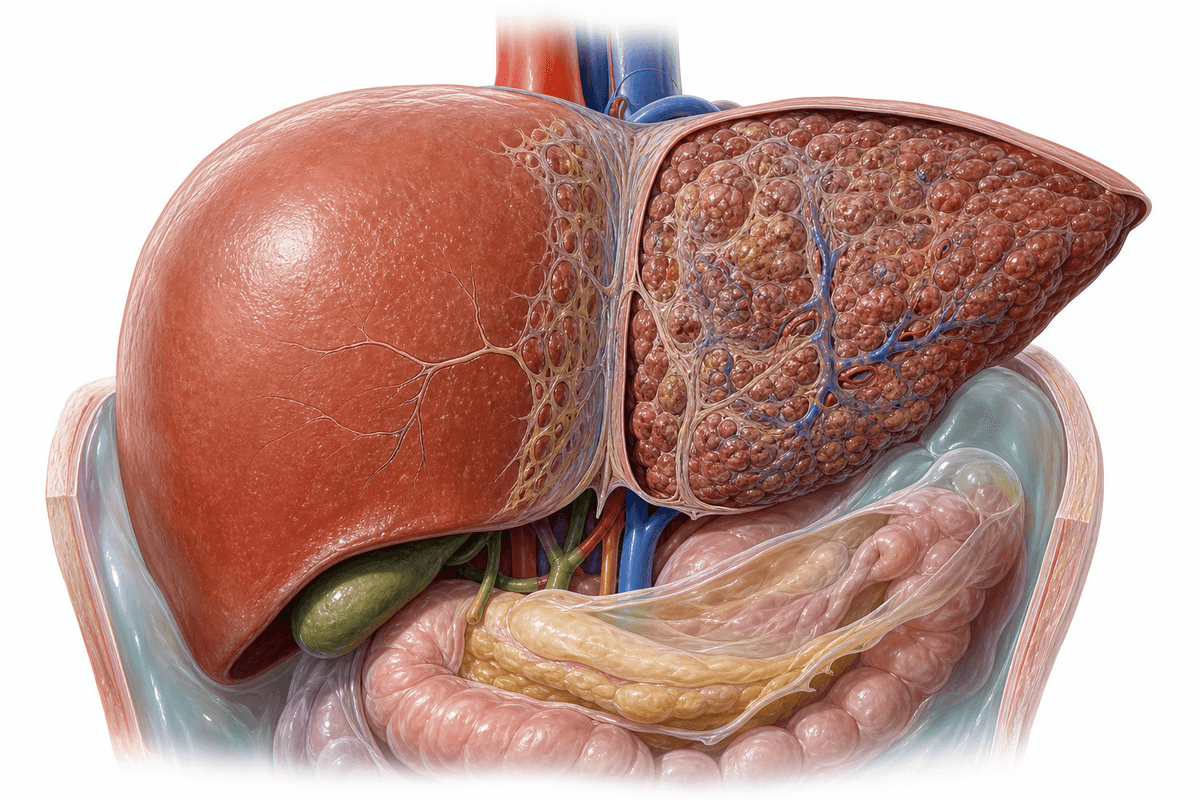
Chronic liver failure happens when the liver loses its ability to work properly over months or years. This usually occurs after repeated injury from conditions like viral hepatitis, alcohol use, or fatty liver disease. Dr Ravi Chandra Reddy provides assessment and management for patients with liver disease in Maharanipeta, tailoring care to each person's clinical needs.
The liver is damaged but still able to perform most of its essential functions. Symptoms may be mild or absent, though scarring is present.
The liver can no longer keep up with the body's needs. This leads to noticeable complications such as fluid buildup, bleeding, or confusion.
A sudden worsening occurs in someone with existing chronic liver disease, often triggered by infection, bleeding, or other stress on the liver.
Multiple factors can contribute to the development and progression of this condition.
Recognising the signs early gives you more treatment options.
Assessment begins with your medical history and physical examination to understand how your liver has been affected. Blood tests and imaging help confirm the diagnosis and assess the severity. Not every patient requires all investigations; testing is guided by your individual situation.
From conservative to surgical — we always start with the least invasive option first.
A structured, patient-first approach from first visit to full recovery.
Dr Ravi Chandra Reddy takes a detailed history and performs a physical examination to understand the extent of liver damage and identify the underlying cause.
Blood tests and imaging are arranged to confirm the diagnosis, assess liver function, and look for complications such as fluid buildup or enlarged veins.
A treatment plan is developed based on your specific condition, addressing the cause, managing symptoms, and preventing further damage. This may include medication, dietary advice, or referral for specialised procedures.
Regular follow-up visits help track liver function, adjust medications, and detect complications early. Guidance is provided on lifestyle changes and when further intervention may be needed.
What to expect at each phase of recovery.
The initial focus is on controlling acute symptoms such as fluid buildup, bleeding, or confusion. Timelines vary widely depending on the severity and underlying cause.
Once stable, ongoing treatment aims to slow progression and manage complications. Regular check-ups and blood tests are part of this phase, which may continue for months or years.
If a procedure or transplant has been performed, recovery involves careful follow-up, medication adjustments, and monitoring for rejection or infection. Individual recovery varies.
Good management may help slow the worsening of liver damage, especially if the underlying cause is treated early. However, existing scarring cannot be reversed.
Treatment can reduce symptoms like fluid buildup, jaundice, and bleeding, improving daily comfort and function. Some complications may still occur despite treatment.
With careful attention to diet, medications, and follow-up, many patients experience better energy and fewer hospital visits. The degree of improvement depends on the stage of disease.
In late-stage liver failure, treatment may only provide supportive care. Transplantation offers hope for some, but is not available or suitable for everyone.
Without treatment, chronic liver failure typically worsens over time, leading to serious complications such as internal bleeding, severe fluid buildup, kidney failure, and confusion or coma. The liver's ability to filter toxins and produce essential proteins declines further. These complications can become life-threatening.
You should seek medical care if you notice yellowing of the skin or eyes, persistent swelling in the abdomen or legs, unexplained fatigue, or easy bruising and bleeding. Immediate attention is needed if you vomit blood, pass black or tarry stools, or experience confusion or drowsiness, as these may signal serious complications.
Early treatment means more options and better outcomes. Book a consultation to understand your condition and explore the right path forward.