Treated by Dr. Ravi Chandra Reddy Obili at Dr Ravi Chandra Reddy
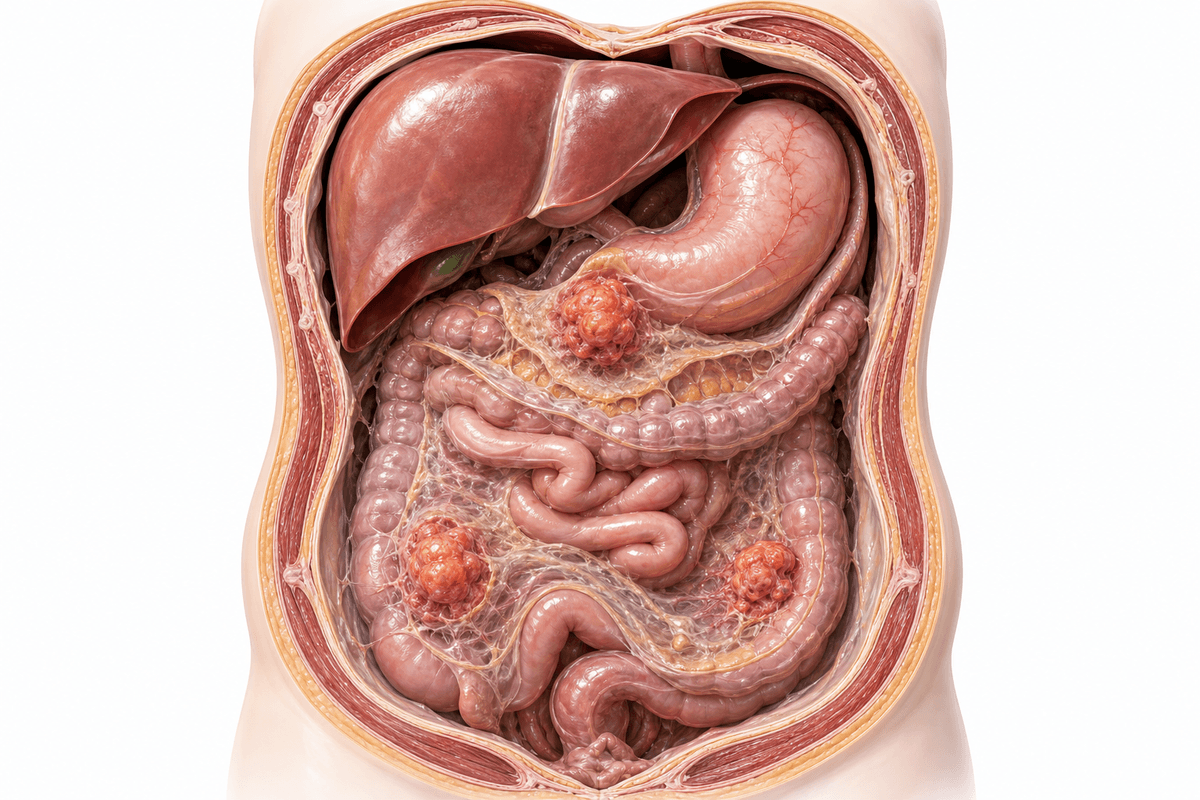
Abdominal tumours in Visakhapatnam encompass abnormal growths that develop within the abdominal cavity, affecting organs such as the stomach, liver, pancreas, intestines, or kidneys. These masses can be benign or malignant and require expert evaluation to determine appropriate treatment. Dr Ravi Chandra Reddy Obili provides specialized surgical gastroenterology care for patients with abdominal tumours.
Non-cancerous growths including lipomas, fibromas, and hemangiomas that typically grow slowly and rarely spread to other organs. While benign, they may still cause symptoms if they compress surrounding structures or grow large enough to affect organ function.
Cancerous growths that can arise from various abdominal organs including gastric cancer, colorectal cancer, pancreatic cancer, liver cancer, and kidney cancer. These tumours have the potential to invade nearby tissues and metastasize to distant organs, requiring aggressive treatment.
Tumours developing in the retroperitoneal space behind the abdominal cavity, which can be benign or malignant. These include sarcomas, lymphomas, and tumours arising from kidneys or adrenal glands, often presenting late due to the large potential space for growth.
Multiple factors can contribute to the development and progression of this condition.
Abdominal Tumours develops gradually. Recognising symptoms early gives you more treatment options.
From conservative to surgical — we always start with the least invasive option first.
A structured, patient-first approach from first visit to full recovery.
Dr Ravi Chandra Reddy Obili conducts thorough clinical examination and orders advanced imaging including CT scans, MRI, and PET scans to characterize the tumour, assess extent, and identify any metastatic disease. Tumour markers and biopsy are performed when indicated to establish definitive diagnosis.
The surgical gastroenterologist collaborates with medical oncologists, radiation oncologists, and radiologists to develop an individualized treatment strategy. Treatment plans consider tumour type, stage, patient health status, and preferences to optimize outcomes.
Dr Ravi Chandra Reddy performs surgical resection using the most appropriate technique, whether minimally invasive laparoscopic surgery or open procedures, ensuring complete tumour removal with preservation of maximum organ function. Intraoperative assessment guides extent of resection and lymph node dissection.
Comprehensive post-operative management includes pain control, nutritional support, and monitoring for complications. Regular surveillance with imaging and tumour markers tracks recovery and detects any recurrence early, with coordination of adjuvant therapy when needed.
What to expect at each phase of recovery.
Patients are monitored in hospital for 5-14 days depending on surgery extent. Pain management, gradual resumption of oral intake, early mobilization, and wound care are prioritized. Drains and tubes are removed as healing progresses.
Recovery continues for 4-8 weeks with gradual increase in physical activity and dietary advancement. Nutritional counseling addresses any digestive changes. Adjuvant chemotherapy or radiation may commence during this phase if indicated by final pathology results.
Ongoing follow-up includes regular clinical examinations, imaging studies every 3-6 months initially, and tumour marker monitoring to detect recurrence. Lifestyle modifications, nutritional optimization, and psychological support facilitate long-term wellness and quality of life.
Successful surgical removal of the entire tumour with clear margins provides the best chance for cure in malignant cases and symptom resolution in benign tumours, significantly improving survival and quality of life.
Advanced surgical techniques aim to preserve maximum organ function while achieving oncological clearance, maintaining digestive capacity, nutritional status, and overall functional independence post-surgery.
Early detection and comprehensive treatment including surgery, chemotherapy, and targeted therapy significantly improve 5-year survival rates for malignant abdominal tumours, particularly when diagnosed at early stages.
Relief from tumour-related symptoms such as pain, obstruction, and bleeding combined with return to normal activities and dietary habits substantially improves patient well-being and long-term quality of life.
Untreated abdominal tumours can lead to serious complications including intestinal obstruction, bleeding, perforation, and organ failure. Malignant tumours will continue to grow and metastasize to other organs, significantly reducing survival rates and quality of life. Early intervention is crucial to prevent life-threatening complications and improve treatment outcomes.
Seek immediate medical attention if you experience persistent abdominal pain, a palpable abdominal mass, unexplained weight loss, changes in bowel habits, blood in stool or vomit, or jaundice. Early evaluation by a specialist like Dr Ravi Chandra Reddy Obili enables timely diagnosis and treatment, which is essential for optimal outcomes, particularly in cases of malignant tumours where early detection dramatically improves prognosis.
Early treatment means more options and better outcomes. Book a consultation to understand your condition and explore the right path forward.