Performed by Dr. Ravi Chandra Reddy Obili at Dr Ravi Chandra Reddy
Pilonidal Sinus Surgery in Visakhapatnam is a specialized procedure to remove infected cysts or abscesses in the tailbone region. This condition commonly affects young adults and can cause severe pain, discharge, and recurrent infections if left untreated. Dr Ravi Chandra Reddy Obili, an experienced Surgical Gastroenterologist, provides advanced surgical techniques ensuring optimal outcomes and minimal recurrence rates.
We believe in honest, upfront disclosure so you can make an informed decision.
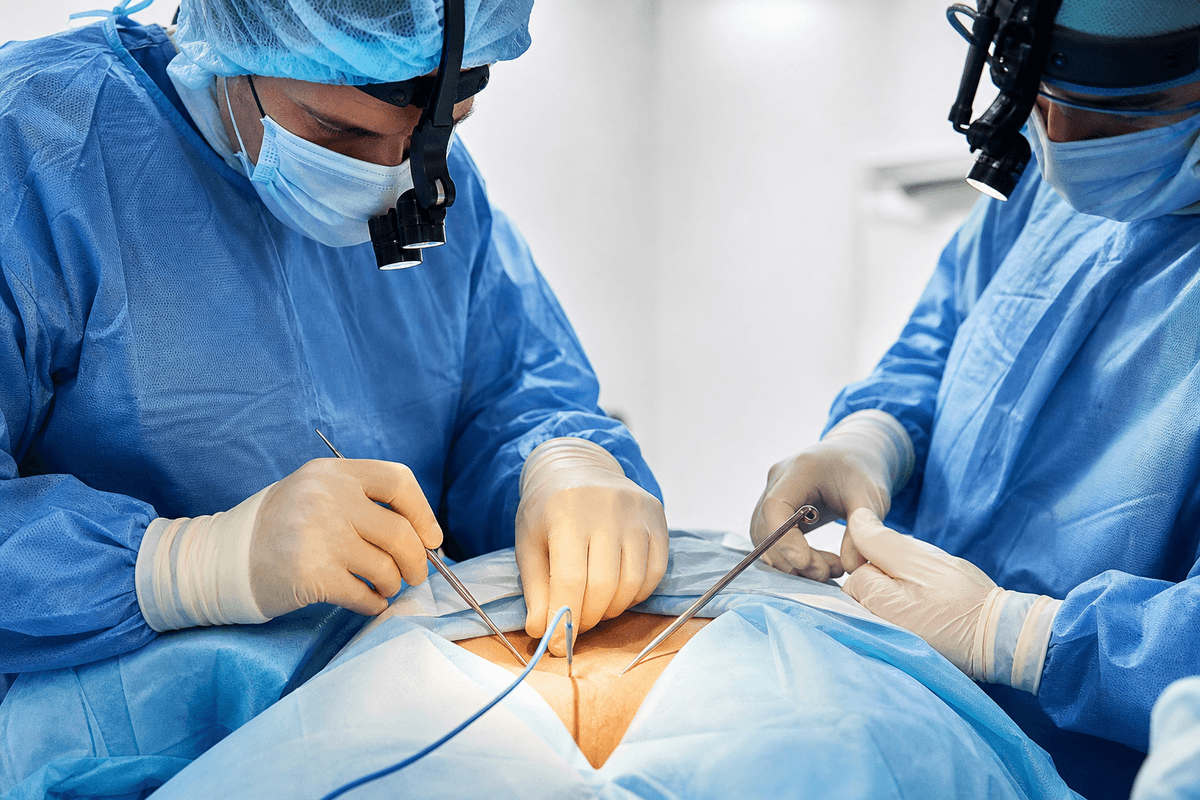
A step-by-step look at what happens during this procedure.
The patient receives spinal or general anaesthesia to ensure complete comfort during the procedure without any pain or awareness.
The surgeon carefully removes the infected pilonidal sinus, including all hair follicles, debris, and diseased tissue to prevent recurrence.
Depending on the case, the wound may be left open for healing by secondary intention or closed primarily with sutures for faster recovery.
The surgical site is carefully checked for bleeding, and appropriate dressings are applied to protect the wound and promote healing.
The patient is monitored in the recovery room for vital signs, pain management, and any immediate complications before discharge or transfer to the ward.
A structured, patient-first approach from first consultation to full recovery.
Dr Ravi Chandra Reddy conducts thorough clinical examination and imaging studies to determine the extent of the sinus tract and plan the optimal surgical approach.
Based on individual patient factors, Dr Ravi Chandra Reddy employs advanced techniques including excision with primary closure, flap procedures, or healing by secondary intention to minimize recurrence.
Dr Ravi Chandra Reddy implements evidence-based wound management strategies including proper dressing techniques, regular follow-ups, and patient education to ensure optimal healing.
Dr Ravi Chandra Reddy provides detailed post-operative instructions, pain management plans, and lifestyle modifications to facilitate smooth recovery and prevent future occurrences.
What to expect at each stage of your recovery journey.
Pain management with prescribed medications, keeping the wound clean and dry, avoiding prolonged sitting, and attending scheduled dressing changes. Light walking is encouraged to prevent complications.
Gradual increase in daily activities while maintaining wound hygiene. Regular follow-ups to monitor healing progress. Most patients can resume desk work with cushioned seating during this phase.
Full wound healing is typically achieved. Patients can return to all normal activities including exercise and physical work. Continued attention to hygiene and hair removal in the area helps prevent recurrence.
Most patients experience complete relief from pain, discharge, and recurrent infections following successful pilonidal sinus surgery with proper wound care.
With advanced surgical techniques and proper post-operative care, recurrence rates are minimized to less than 10% in most cases.
Patients can return to normal sitting, physical activities, and work without the discomfort and embarrassment of chronic pilonidal disease.
Modern surgical approaches ensure minimal scarring and acceptable cosmetic results in the tailbone region, particularly with primary closure techniques.
Let's clear up some of the most common myths about pilonidal sinus surgery.
Get a personalised assessment from an experienced specialist. Understand your options, ask your questions, and decide with confidence.