Treated by Dr. Ravi Chandra Reddy Obili at Dr Ravi Chandra Reddy
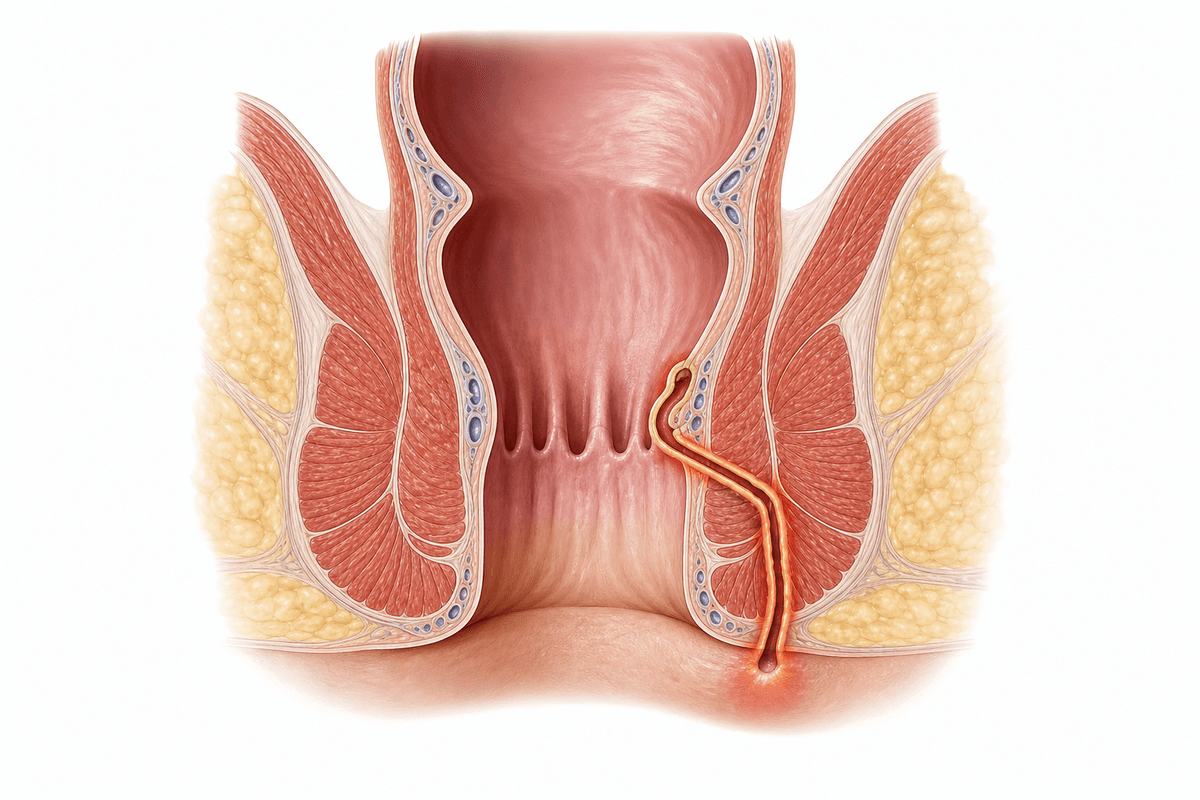
Anal fistula is an abnormal tunnel that develops between the anal canal and the skin near the anus, commonly affecting patients in Visakhapatnam. This condition typically results from an infected anal gland and causes persistent drainage, pain, and discomfort. It requires proper surgical treatment to prevent recurrence and complications. Dr Ravi Chandra Reddy Obili provides specialized surgical care for anal fistula with minimally invasive techniques.
The most common type where the tract passes through the internal sphincter and opens near the anus. It accounts for approximately 70% of all anal fistulas and generally has the best prognosis with lower risk of incontinence after surgery.
The fistula tract crosses both internal and external sphincter muscles before opening onto the skin. This type represents about 25% of cases and requires careful surgical planning to preserve sphincter function and prevent fecal incontinence.
A complex fistula where the tract passes upward between sphincters, over the puborectalis muscle, and then downward to the skin. This rare type accounts for 5% of cases and presents significant surgical challenges requiring expert management.
Multiple factors can contribute to the development and progression of this condition.
Anal fistula develops gradually. Recognising symptoms early gives you more treatment options.
From conservative to surgical — we always start with the least invasive option first.
A structured, patient-first approach from first visit to full recovery.
Dr Ravi Chandra Reddy Obili conducts a thorough physical examination including digital rectal examination to identify the external and internal openings of the fistula. He evaluates the fistula tract's relationship to the sphincter muscles and assesses for signs of active infection or associated conditions like Crohn's disease.
MRI fistulography is performed to accurately map the fistula tract, identify any secondary extensions or horseshoe tracts, and classify the fistula type. This imaging helps determine the optimal surgical approach and predict potential risks to sphincter function, ensuring personalized treatment planning.
Based on fistula classification and patient factors, Dr Obili selects the most appropriate surgical technique ranging from fistulotomy for simple cases to sphincter-preserving procedures like LIFT or advancement flap for complex fistulas. Surgery is performed under anesthesia with meticulous attention to preserving continence while ensuring complete tract excision.
Dr Ravi Chandra Reddy Obili provides detailed wound care instructions including sitz baths, pain management, and dietary modifications. Regular follow-up visits are scheduled to monitor healing, change dressings when needed, and detect early signs of recurrence. Patients receive ongoing support until complete healing is achieved.
What to expect at each phase of recovery.
Patients experience moderate pain managed with analgesics and require daily wound care including sitz baths. There may be some discharge and bleeding from the surgical site. Most patients can return to light activities within a few days but should avoid strenuous exercise and heavy lifting.
The surgical wound gradually heals from the base upward with decreasing discharge and pain. Regular dressing changes and sitz baths continue. Patients progressively increase activity levels while maintaining good bowel habits with stool softeners. Follow-up visits ensure proper healing without infection or recurrence.
The wound fully epithelializes and patients return to normal activities including exercise. Any temporary changes in bowel control typically resolve as inflammation subsides and sphincter function stabilizes. Long-term follow-up ensures no recurrence, and patients are educated about symptoms requiring immediate attention.
Fistulotomy for simple fistulas achieves cure rates exceeding 90%, while sphincter-preserving techniques for complex fistulas offer success rates of 60-85%. Proper surgical technique and complete tract excision are key to preventing recurrence.
With careful patient selection and appropriate surgical techniques, most patients maintain normal fecal continence after fistula surgery. Sphincter-preserving approaches for high fistulas minimize the risk of incontinence while effectively treating the condition.
Successful treatment eliminates chronic drainage, pain, and hygiene issues that significantly impact daily activities and social interactions. Patients report substantial improvement in comfort, confidence, and overall well-being after complete healing.
Under the care of an experienced surgical gastroenterologist like Dr Ravi Chandra Reddy Obili, recurrence rates are minimized through proper fistula classification, complete tract treatment, and management of underlying conditions like Crohn's disease.
Untreated anal fistulas rarely heal spontaneously and lead to chronic pain, persistent drainage, and recurrent perianal abscesses requiring repeated drainage procedures. The infection can spread to deeper tissues causing complex fistula tracts, sphincter damage, and potentially life-threatening sepsis. Chronic fistulas significantly impair quality of life with ongoing hygiene issues, skin breakdown, and social embarrassment.
You should consult Dr Ravi Chandra Reddy Obili if you experience persistent drainage or discharge from an opening near your anus, especially after a previous perianal abscess. Seek immediate medical attention if you develop severe anal pain with fever, increasing swelling, or signs of spreading infection. Early evaluation and treatment prevent complications and improve outcomes, particularly for patients with inflammatory bowel disease or recurrent perianal infections.
Early treatment means more options and better outcomes. Book a consultation to understand your condition and explore the right path forward.