Treated by Dr. Ravi Chandra Reddy Obili at Dr Ravi Chandra Reddy
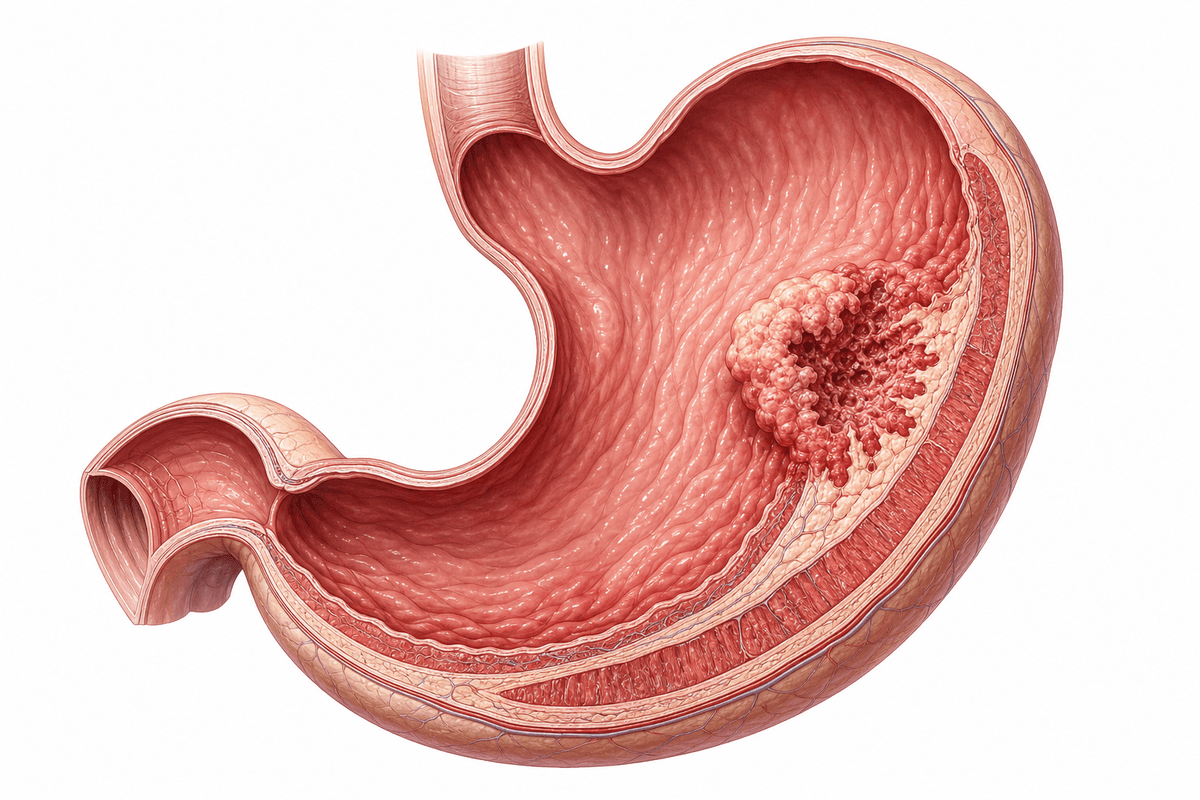
Stomach cancer, also known as gastric cancer, affects residents of Visakhapatnam and requires specialized surgical intervention. This malignancy develops in the stomach lining and can spread to other organs if not detected early. Dr Ravi Chandra Reddy Obili, an experienced surgical gastroenterologist, provides comprehensive diagnosis and treatment for stomach cancer patients in the region.
The most common type accounting for 90-95% of stomach cancers, originating in the glandular cells lining the stomach. Can be classified as intestinal or diffuse type based on cellular characteristics and growth patterns.
Rare tumors arising from specialized nerve cells in the stomach wall called interstitial cells of Cajal. These tumors can be benign or malignant and require specialized targeted therapy approaches.
Cancer originating in the immune system tissue within the stomach wall, with MALT lymphoma being the most common subtype. Often associated with H. pylori infection and may respond to antibiotic treatment in early stages.
Multiple factors can contribute to the development and progression of this condition.
Stomach cancers develops gradually. Recognising symptoms early gives you more treatment options.
From conservative to surgical — we always start with the least invasive option first.
A structured, patient-first approach from first visit to full recovery.
Dr Ravi Chandra Reddy Obili performs detailed upper gastrointestinal endoscopy with multiple biopsies to confirm cancer diagnosis. Advanced imaging including CT scans and endoscopic ultrasound assess tumor extent and staging. Multidisciplinary tumor board review determines the optimal personalized treatment strategy for each patient.
Nutritional assessment and supplementation are provided to improve surgical outcomes and healing capacity. Neoadjuvant chemotherapy may be administered to shrink tumors and improve resectability. Detailed surgical planning using imaging studies ensures precise operative approach and lymph node dissection strategy.
Dr Obili performs meticulous gastrectomy with systematic D2 lymphadenectomy following international oncological principles. Minimally invasive laparoscopic techniques are utilized when appropriate for faster recovery and reduced complications. Careful reconstruction techniques preserve digestive function and optimize long-term quality of life.
Comprehensive recovery protocols include early mobilization, nutritional support, and pain management strategies. Regular follow-up with surveillance endoscopy and imaging monitors for recurrence and manages late complications. Coordinated adjuvant chemotherapy and supportive care ensure complete multidisciplinary cancer treatment.
What to expect at each phase of recovery.
Hospital stay of 7-14 days with gradual transition from intravenous nutrition to oral liquid diet. Pain management, early mobilization, and respiratory exercises prevent complications. Drain tubes are removed progressively as surgical sites heal appropriately.
Gradual advancement to soft and regular diet with frequent small meals throughout the day. Nutritional supplementation with vitamins B12, iron, and calcium prevents deficiency syndromes. Physical activity is progressively increased while monitoring for complications like dumping syndrome or anastomotic stricture.
Body adjusts to altered digestive anatomy with improvement in meal tolerance and weight stabilization. Adjuvant chemotherapy if recommended is completed during this phase with oncology coordination. Regular surveillance imaging and endoscopy every 3-6 months monitors for recurrence and manages nutritional status.
Early-stage gastric cancer treated with complete surgical resection and adjuvant therapy achieves 5-year survival rates of 60-90%. Lymph node involvement and tumor depth significantly impact prognosis with better outcomes for localized disease. Regular surveillance and compliance with adjuvant treatment protocols optimize long-term cancer control.
Most patients successfully adapt to post-gastrectomy anatomy within 6-12 months with appropriate dietary modifications. Small frequent meals, adequate protein intake, and vitamin supplementation maintain nutritional status effectively. Quality of life gradually improves as patients develop compensatory eating patterns and lifestyle adjustments.
Proactive vitamin B12 injections, iron supplementation, and calcium intake prevent common post-gastrectomy deficiencies. Regular monitoring of nutritional parameters allows early intervention for weight loss or malnutrition. Specialized dietary counseling helps maintain body weight within 10-15% of preoperative baseline.
Modern surgical techniques and perioperative care reduce major complication rates to under 15% in experienced centers. Early recognition and treatment of dumping syndrome, reflux, or strictures improves long-term outcomes. Comprehensive follow-up protocols ensure timely intervention for both surgical and oncological complications.
Untreated stomach cancer progressively invades deeper stomach layers and spreads to regional lymph nodes and distant organs including liver, lungs, and peritoneum. Patients develop severe complications including gastric outlet obstruction, persistent bleeding leading to anemia, malnutrition, and cachexia. Advanced disease becomes incurable with median survival of only 3-5 months, resulting in significant suffering and poor quality of life.
Seek immediate consultation with Dr Ravi Chandra Reddy Obili if you experience persistent upper abdominal pain lasting more than two weeks, unexplained weight loss, difficulty swallowing, or vomiting blood. Early evaluation is crucial for individuals with family history of gastric cancer, long-standing H. pylori infection, or pre-cancerous conditions like atrophic gastritis. Prompt endoscopic evaluation of persistent dyspeptic symptoms in individuals over 40 years significantly improves early detection and treatment outcomes.
Early treatment means more options and better outcomes. Book a consultation to understand your condition and explore the right path forward.