Treated by Dr. Ravi Chandra Reddy Obili at Dr Ravi Chandra Reddy
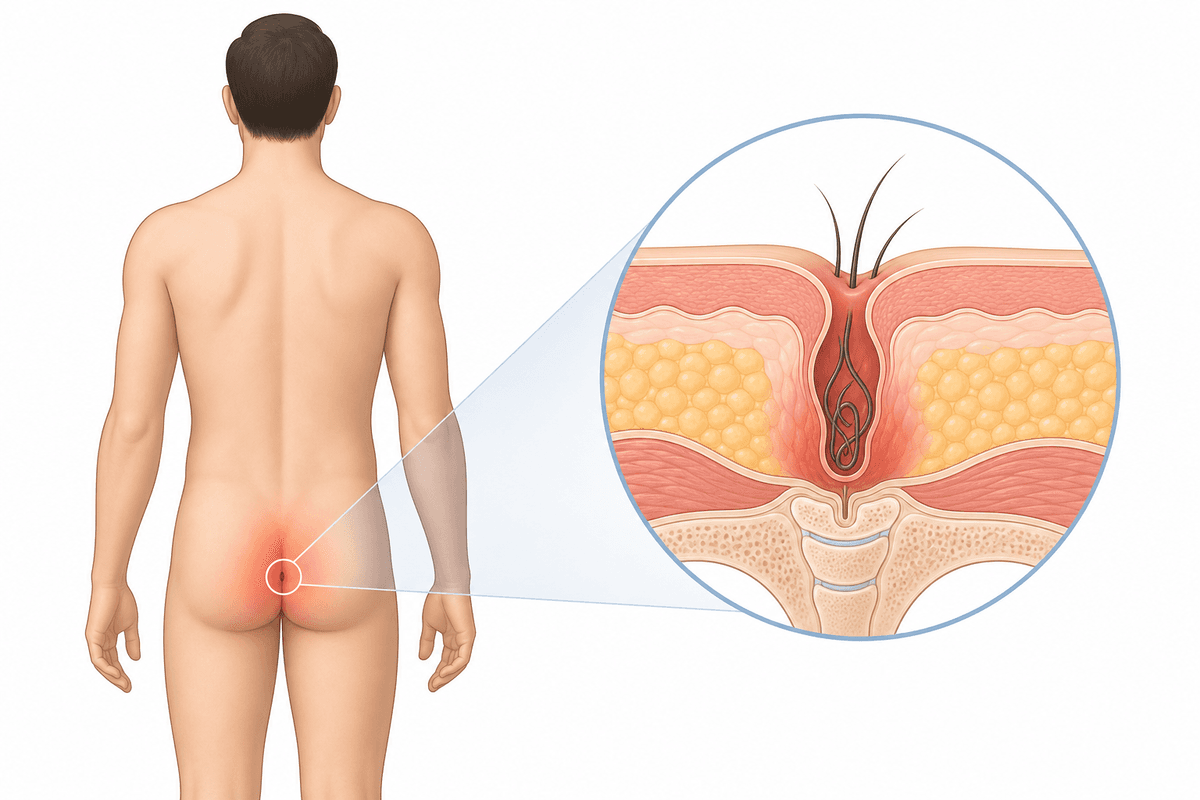
Pilonidal sinus in Visakhapatnam is a chronic condition characterized by an abnormal pocket or cyst in the skin, typically located near the tailbone at the top of the buttock crease. This condition commonly affects young adults and can cause significant discomfort, pain, and recurrent infections if left untreated. Dr Ravi Chandra Reddy Obili provides advanced surgical treatment options for pilonidal sinus at his clinic in Visakhapatnam.
Sudden onset of painful swelling in the sacrococcygeal region with pus accumulation, requiring immediate drainage and antibiotics.
Persistent sinus tract with intermittent discharge, often with multiple openings and recurring infections despite previous treatments.
Extensive disease with multiple interconnected sinus tracts, lateral openings, and scarring from previous surgeries requiring complex reconstruction.
Multiple factors can contribute to the development and progression of this condition.
Pilonidal sinus develops gradually. Recognising symptoms early gives you more treatment options.
From conservative to surgical — we always start with the least invasive option first.
A structured, patient-first approach from first visit to full recovery.
Dr Ravi Chandra Reddy Obili conducts a thorough physical examination to assess the extent of disease, number of sinuses, presence of infection, and previous surgical scars. Imaging studies may be ordered for complex cases to map sinus tracts accurately.
Based on disease severity, patient age, lifestyle, and previous treatments, Dr Obili discusses all available treatment options including their risks, benefits, and expected outcomes. A customized surgical plan is formulated considering the patient's specific anatomy and requirements.
Dr Ravi Chandra Reddy Obili performs the chosen procedure with meticulous surgical technique, ensuring complete excision of diseased tissue while preserving healthy structures. Advanced flap techniques are employed for complex cases to achieve optimal cosmetic and functional outcomes with minimal recurrence.
Post-operative care includes regular wound assessments, dressing changes, and monitoring for complications. Dr Obili provides detailed instructions on hygiene, hair removal, activity restrictions, and signs of recurrence. Long-term follow-up ensures complete healing and early detection of any issues.
What to expect at each phase of recovery.
Pain management with analgesics, regular wound inspection, and dressing changes. Patients are advised to avoid prolonged sitting, maintain hygiene, and watch for signs of infection. Sutures are typically removed after 10-14 days for primary closure techniques.
Gradual return to normal activities with continued wound care. Hair removal protocols are initiated to prevent recurrence. Patients can resume light work and daily activities while avoiding strenuous exercise, heavy lifting, and activities that put pressure on the surgical site.
Full wound healing is achieved with scar maturation. Patients return to all normal activities including exercise and sports. Long-term preventive measures including regular hair removal, hygiene maintenance, and weight management are emphasized to prevent recurrence.
Flap-based reconstruction techniques achieve cure rates exceeding 95% with recurrence rates below 5%, significantly better than simple excision methods. Complete resolution of symptoms including pain and discharge.
Most patients return to desk work within 2-3 weeks and resume full activities by 6-8 weeks. Modern surgical approaches minimize disability and allow quicker recovery compared to traditional open healing methods.
Successful treatment eliminates chronic pain, recurrent infections, and embarrassing discharge. Patients experience significant improvement in comfort, confidence, and ability to participate in work, sports, and social activities without restrictions.
Expert surgical technique by Dr Ravi Chandra Reddy Obili ensures cosmetically acceptable scars and low complication rates. Proper wound care and follow-up protocols minimize risks of infection, wound breakdown, or delayed healing.
Untreated pilonidal sinus leads to recurrent painful abscesses requiring repeated drainage procedures, chronic draining wounds that interfere with daily activities, and extensive scarring making future surgery more complex. Progressive disease can result in multiple interconnected sinus tracts, chronic infection with antibiotic resistance, and in rare cases, malignant transformation (squamous cell carcinoma) in long-standing chronic sinuses.
Seek immediate medical attention from Dr Ravi Chandra Reddy Obili if you notice a painful swelling or lump near your tailbone, especially if accompanied by fever, redness, or pus discharge. Early consultation is also recommended if you have a dimple or pit in the sacrococcygeal area even without symptoms, as preventive treatment can avoid future complications. If you've had previous pilonidal sinus treatment and notice recurrence of symptoms, prompt evaluation is essential for timely intervention.
Early treatment means more options and better outcomes. Book a consultation to understand your condition and explore the right path forward.