Treated by Dr. Ravi Chandra Reddy Obili at Dr Ravi Chandra Reddy
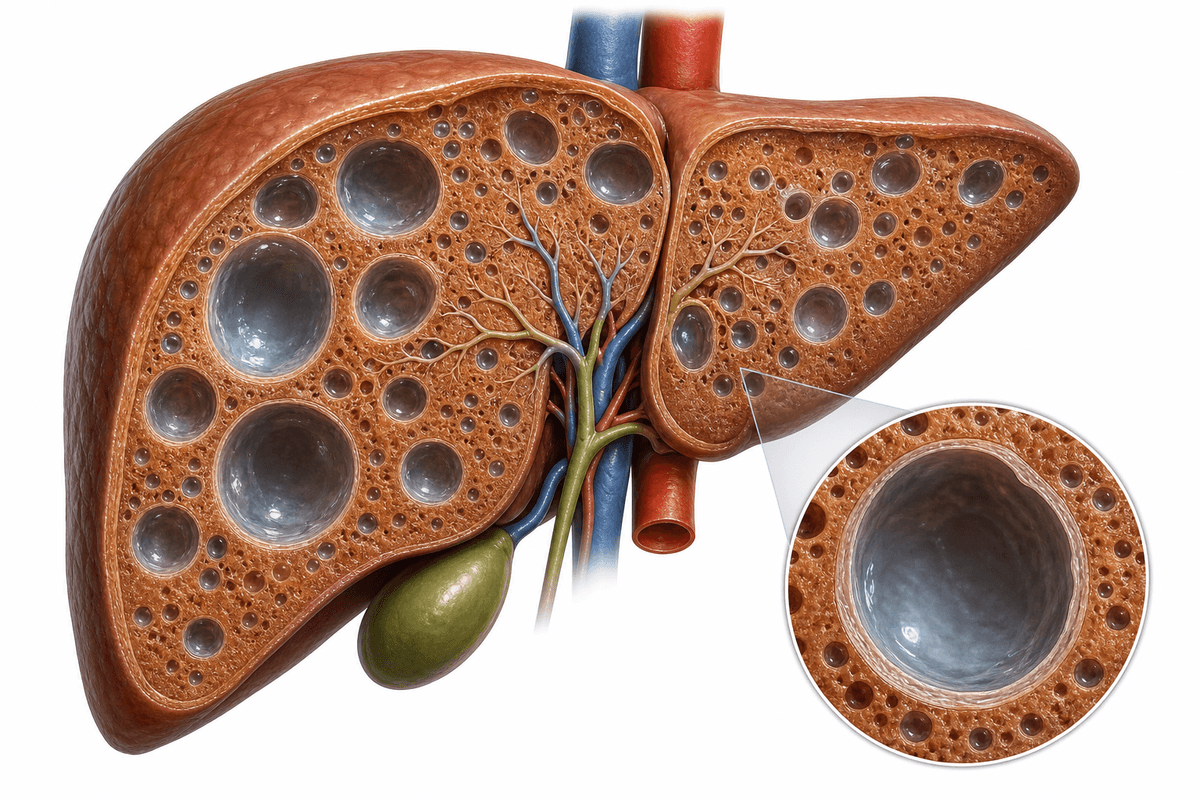
Liver cysts in Visakhapatnam are fluid-filled sacs that develop in the liver tissue, ranging from simple benign cysts to complex symptomatic lesions. These cysts can be congenital or acquired, and while many remain asymptomatic throughout life, larger or multiple cysts may cause abdominal discomfort and require medical intervention. Dr Ravi Chandra Reddy Obili provides comprehensive evaluation and advanced treatment for liver cysts with minimally invasive surgical expertise.
Benign, fluid-filled sacs with thin walls that are typically asymptomatic and discovered incidentally during imaging for other conditions. Most common type, usually requiring no treatment unless symptomatic.
Genetic condition characterized by multiple cysts throughout the liver, often associated with polycystic kidney disease. Can cause significant liver enlargement and abdominal symptoms requiring intervention.
Parasitic cysts caused by Echinococcus tapeworm infection, common in endemic areas. Require careful surgical management to prevent rupture and spread of infection.
Multiple factors can contribute to the development and progression of this condition.
Liver Cysts develops gradually. Recognising symptoms early gives you more treatment options.
From conservative to surgical — we always start with the least invasive option first.
A structured, patient-first approach from first visit to full recovery.
Dr Ravi Chandra Reddy Obili performs detailed imaging with ultrasound, CT, or MRI to characterize cyst type, size, location, and relationship to liver structures. Blood tests and tumor markers help differentiate benign from potentially malignant lesions.
Based on cyst characteristics, symptoms, and patient factors, Dr Ravi Chandra Reddy develops an individualized treatment plan ranging from observation to minimally invasive or surgical intervention, discussing all options thoroughly with the patient.
For symptomatic cysts requiring treatment, Dr Ravi Chandra Reddy utilizes laparoscopic techniques whenever possible for cyst deroofing or excision, ensuring minimal scarring, reduced pain, and faster recovery while achieving complete symptom relief.
Dr Ravi Chandra Reddy provides structured post-treatment monitoring with periodic imaging to ensure no recurrence, manages any complications promptly, and adjusts treatment strategies based on individual patient response and outcomes.
What to expect at each phase of recovery.
For laparoscopic procedures, patients typically experience mild pain managed with oral medications and can resume light activities within 3-5 days. Percutaneous treatments allow same-day or next-day discharge with minimal discomfort.
Most patients return to normal daily activities within 1-2 weeks after laparoscopic surgery. Follow-up imaging at 6-8 weeks confirms successful treatment and absence of fluid reaccumulation or complications.
Full recovery occurs within 4-6 weeks for minimally invasive procedures, with patients returning to all activities including exercise. Long-term surveillance imaging is scheduled at intervals to monitor for rare recurrence or development of new cysts.
Over 90% of patients experience complete relief from abdominal pain, distension, and discomfort following appropriate surgical treatment of symptomatic liver cysts with excellent quality of life improvement.
Laparoscopic cyst deroofing achieves recurrence rates below 5-10%, significantly better than aspiration alone, with most patients requiring no further intervention for the treated cyst.
Minimally invasive treatments preserve normal liver tissue and function, with no significant impact on liver enzymes or hepatic reserve, allowing patients to maintain normal liver health.
Modern laparoscopic techniques result in very low complication rates with rare instances of bile leak, bleeding, or infection, and significantly shorter hospital stays compared to traditional open surgery.
Untreated symptomatic liver cysts can progressively enlarge, causing increasing abdominal pain, distension, and compression of adjacent organs. Large cysts may rupture spontaneously leading to acute abdominal emergency, or become infected forming liver abscesses requiring emergency intervention. In polycystic liver disease, progressive hepatomegaly can severely impact quality of life and rarely lead to liver failure requiring transplantation.
Consult Dr Ravi Chandra Reddy Obili if you experience persistent right upper abdominal pain, progressive abdominal distension, early satiety, or if imaging studies have identified liver cysts requiring expert evaluation. Immediate medical attention is necessary for severe sudden abdominal pain, fever with abdominal tenderness, jaundice, or symptoms suggesting cyst rupture or infection, as these may require urgent surgical intervention.
Early treatment means more options and better outcomes. Book a consultation to understand your condition and explore the right path forward.