Treated by Dr. Ravi Chandra Reddy Obili at Dr Ravi Chandra Reddy
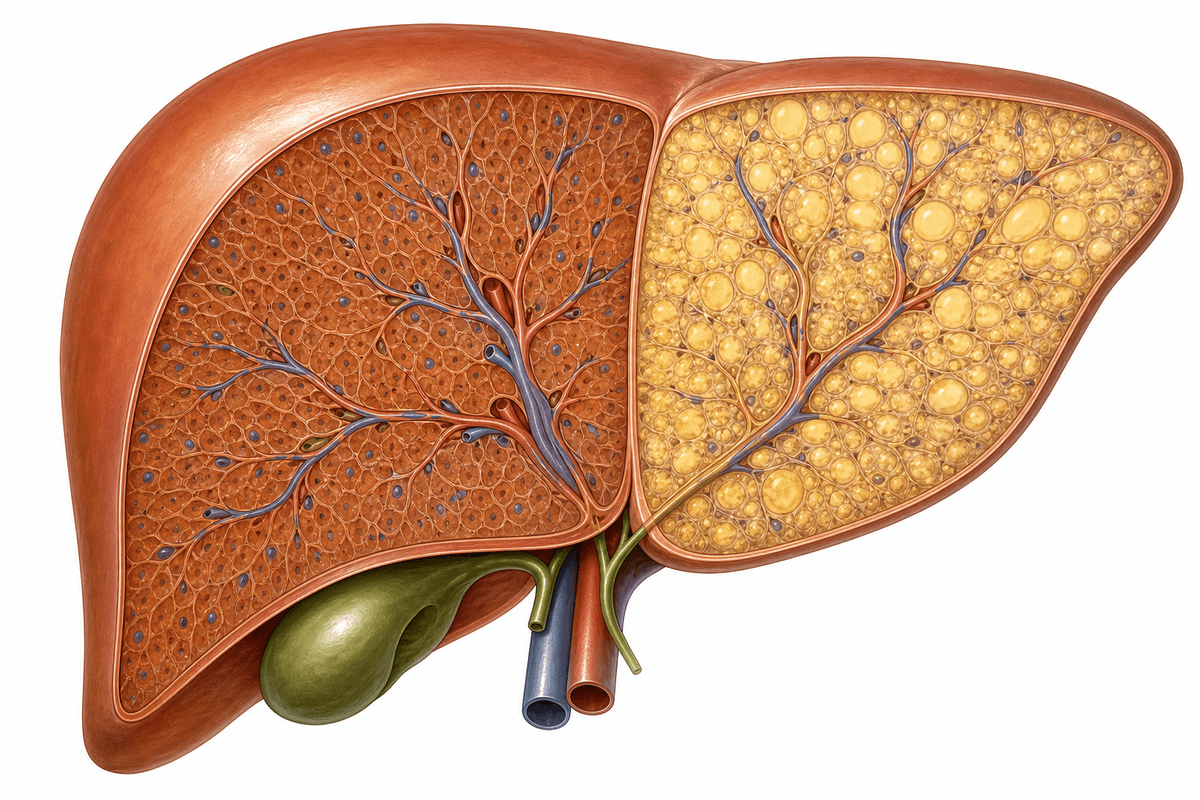
Fatty liver is a condition where fat builds up inside liver cells. It often develops without symptoms and may be discovered during routine blood tests or scans. Many cases are linked to lifestyle factors such as diet, weight and alcohol use. Dr Ravi Chandra Reddy evaluates each patient individually to identify the underlying cause and recommend appropriate management, which often focuses on addressing those contributing factors.
Fat accumulation in people who drink little or no alcohol, often associated with metabolic conditions like obesity, diabetes and high cholesterol.
Fat buildup resulting from excessive alcohol consumption over time. The liver may improve if alcohol intake is stopped early.
A rare but serious condition occurring in late pregnancy, requiring immediate medical attention and delivery.
Multiple factors can contribute to the development and progression of this condition.
Recognising the signs early gives you more treatment options.
Assessment begins with a detailed history about diet, alcohol use, medications and other health conditions, followed by a physical examination. Blood tests and imaging help confirm fat accumulation and assess liver health. Not every patient requires all investigations; the choice depends on individual circumstances.
From conservative to surgical — we always start with the least invasive option first.
A structured, patient-first approach from first visit to full recovery.
Dr Ravi Chandra Reddy takes a detailed history to understand your diet, alcohol use, medications and other health conditions, then examines you and orders appropriate blood tests and imaging to confirm the diagnosis and assess liver health.
The focus is on determining whether the fatty liver is related to metabolic factors, alcohol or other causes, so that management can be tailored to address the root problem.
You receive specific guidance on diet, exercise, weight management and control of conditions like diabetes or high cholesterol, along with advice on medications and follow-up testing.
Regular follow-up visits allow monitoring of liver function, adjustment of treatment as needed, and encouragement to maintain lifestyle changes over the long term.
What to expect at each phase of recovery.
The first few months focus on establishing new eating habits, starting an exercise routine and losing weight gradually. Changes in liver fat can begin within weeks, though individual timelines vary.
Over six to twelve months, continued adherence to diet and exercise typically leads to measurable reductions in liver fat and improvement in blood test results. Progress is monitored through follow-up appointments.
Fatty liver management is a lifelong commitment. Maintaining a healthy weight, staying active and managing other health conditions help prevent recurrence and protect overall liver health.
Good adherence to lifestyle changes often leads to significant reduction in liver fat and improvement in liver enzyme levels. However, results vary from person to person based on many factors.
Early intervention can help prevent fatty liver from progressing to more serious conditions like cirrhosis. Once advanced scarring has developed, it may not be fully reversible.
Weight loss and exercise not only benefit the liver but also improve diabetes control, cholesterol levels and blood pressure, reducing overall cardiovascular risk.
Fatty liver tends to return if lifestyle changes are not maintained. Success depends on long-term commitment rather than short-term fixes, and some patients may still experience disease progression despite best efforts.
Untreated fatty liver can progress to inflammation of the liver (steatohepatitis), which over years may lead to scarring (fibrosis) and eventually cirrhosis. Cirrhosis carries risks of liver failure, fluid accumulation, bleeding and liver cancer. Not everyone with fatty liver will progress to these complications, but the risk increases without addressing underlying causes.
See a doctor if you have risk factors like obesity, diabetes or high cholesterol, even without symptoms, as fatty liver is often detected through routine screening. Seek prompt medical attention if you develop yellowing of the skin or eyes, significant abdominal swelling, unexplained weight loss, or persistent fatigue. Early evaluation allows timely intervention before serious complications develop.
Early treatment means more options and better outcomes. Book a consultation to understand your condition and explore the right path forward.