Performed by Dr. Ravi Chandra Reddy Obili at Dr Ravi Chandra Reddy
Pancreatic Cancer Surgery in Visakhapatnam encompasses specialized surgical procedures to remove cancerous tumors from the pancreas, including Whipple procedure, distal pancreatectomy, and total pancreatectomy. These complex operations require advanced surgical expertise and comprehensive perioperative care to achieve optimal outcomes. Dr Ravi Chandra Reddy Obili provides expert surgical gastroenterology care for pancreatic cancer patients.
We believe in honest, upfront disclosure so you can make an informed decision.
A step-by-step look at what happens during this procedure.
Comprehensive imaging studies including CT angiography and MRI determine tumor resectability and surgical approach. Multidisciplinary team reviews case to optimize treatment strategy.
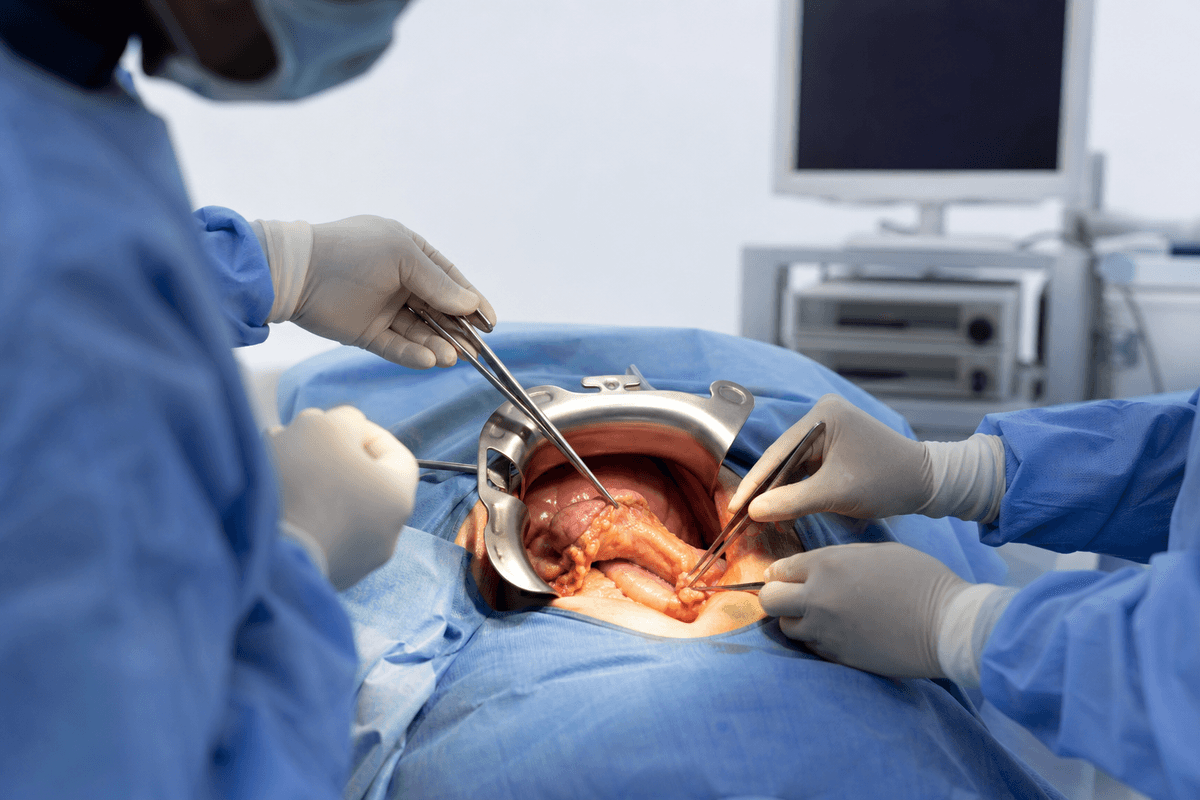
A large abdominal incision or minimally invasive approach provides access to the pancreas. The surgical field is carefully examined to confirm resectability.
The affected portion of pancreas is removed along with surrounding lymph nodes. Whipple procedure removes pancreatic head, duodenum, and bile duct; distal pancreatectomy removes body and tail.
After tumor removal, digestive tract is reconstructed by connecting remaining pancreas, bile duct, and stomach to small intestine to restore digestive function.
Drains are placed to monitor for leaks, incision is closed, and patient is transferred to intensive care for close monitoring during initial recovery phase.
A structured, patient-first approach from first consultation to full recovery.
Dr Ravi Chandra Reddy utilizes high-resolution imaging and 3D reconstruction to plan the optimal surgical approach, ensuring complete tumor removal while preserving maximum pancreatic function.
Employing meticulous dissection techniques and vascular preservation strategies, Dr Reddy performs complex pancreatic resections with attention to minimizing complications and achieving negative margins.
A comprehensive perioperative care pathway includes early mobilization, optimized pain management, and nutritional support to accelerate healing and reduce hospital stay duration.
Dr Reddy coordinates with oncologists, radiologists, and nutritionists to provide integrated post-operative care including adjuvant chemotherapy planning and long-term surveillance for recurrence.
What to expect at each stage of your recovery journey.
First 1-2 weeks involve hospital monitoring, pain management, gradual diet advancement from clear liquids to soft foods, and early mobilization to prevent complications.
Weeks 2-6 focus on regaining strength at home, managing pancreatic enzyme replacement therapy, monitoring blood sugar levels, and gradually increasing physical activity.
Months 2-6 involve return to normal activities, adjuvant chemotherapy if indicated, nutritional counseling for weight maintenance, and regular follow-up imaging to monitor for recurrence.
Complete surgical resection with negative margins provides the best chance for long-term survival and potential cure in resectable pancreatic cancer cases.
Successful surgery alleviates symptoms such as jaundice, pain, and digestive obstruction, allowing patients to resume normal eating and daily activities.
Surgical resection combined with adjuvant chemotherapy significantly extends median survival compared to non-surgical management, particularly in early-stage disease.
Even in borderline resectable cases, surgery can provide substantial relief from cancer-related symptoms and complications including biliary obstruction and duodenal obstruction.
Let's clear up some of the most common myths about pancreatic cancer surgery.
Get a personalised assessment from an experienced specialist. Understand your options, ask your questions, and decide with confidence.