Treated by Dr. Ravi Chandra Reddy Obili at Dr Ravi Chandra Reddy
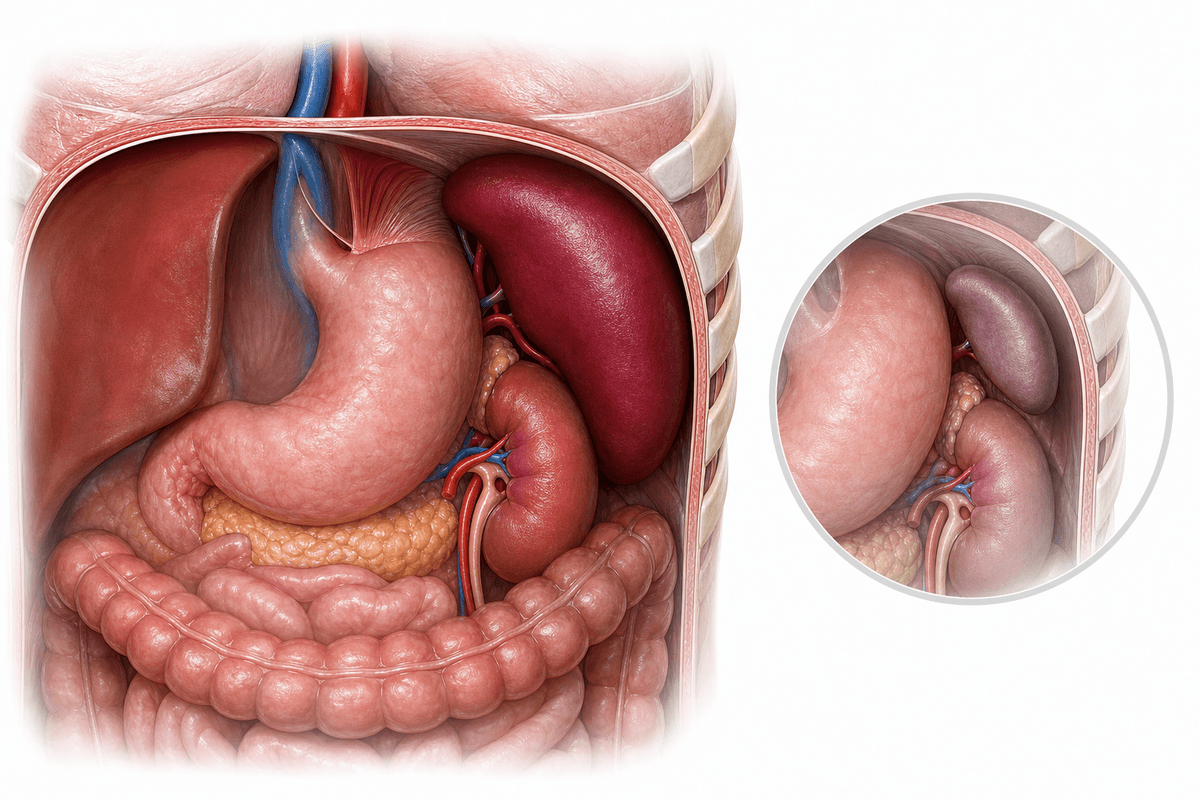
An enlarged spleen (splenomegaly) is a condition where the spleen becomes bigger than normal size, affecting patients in Visakhapatnam and requiring specialized gastroenterological assessment. The spleen can enlarge due to various underlying conditions including infections, liver diseases, blood disorders, and cancers. Dr Ravi Chandra Reddy Obili provides comprehensive evaluation and treatment for enlarged spleen conditions.
Enlargement caused by increased blood flow or congestion due to portal hypertension, liver cirrhosis, or vein thrombosis. This is one of the most common types seen in gastroenterology practice.
Spleen enlargement due to abnormal cells infiltrating the organ, including blood cancers like leukemia, lymphoma, or metabolic storage diseases. Requires hematological evaluation alongside surgical assessment.
Temporary or chronic enlargement resulting from infections such as malaria, infectious mononucleosis, bacterial endocarditis, or parasitic diseases. Often resolves with appropriate antimicrobial treatment.
Multiple factors can contribute to the development and progression of this condition.
Enlarged Spleen develops gradually. Recognising symptoms early gives you more treatment options.
From conservative to surgical — we always start with the least invasive option first.
A structured, patient-first approach from first visit to full recovery.
Dr Ravi Chandra Reddy Obili conducts thorough physical examination, orders detailed blood work including complete blood count and liver function tests, and arranges imaging studies like ultrasound, CT scan, or MRI to determine spleen size, underlying cause, and treatment planning.
The doctor collaborates with hematologists, hepatologists, and other specialists to identify and address the root cause. Treatment plans are individualized based on spleen size, symptoms, underlying condition, and patient's overall health status and preferences.
For patients requiring splenectomy, Dr Ravi Chandra Reddy Obili performs advanced laparoscopic surgery whenever possible, using state-of-the-art equipment and minimally invasive techniques. Pre-operative vaccinations against encapsulated bacteria are administered to prevent post-splenectomy infections.
Comprehensive follow-up care includes monitoring for complications, managing the underlying condition, ensuring proper vaccination status, and educating patients about infection prevention. Regular blood tests and clinical assessments ensure optimal long-term outcomes and quality of life.
What to expect at each phase of recovery.
Hospital stay of 2-5 days depending on surgical approach. Pain management, early mobilization, and monitoring for complications like bleeding or infection. Liquid diet progressing to solid foods as tolerated. Drain removal if placed during surgery.
Gradual return to light activities with avoidance of heavy lifting or strenuous exercise. Incision care and monitoring for surgical site infections. Follow-up blood tests to monitor platelet counts and blood cell parameters. Most patients return to desk work after 2-3 weeks.
Complete healing of surgical sites and full return to normal activities including exercise. Body adapts to absence of spleen with liver and lymph nodes taking over some functions. Ongoing vigilance for infections with prompt medical attention for fever. Annual influenza vaccination and prophylactic antibiotics as recommended.
Most patients experience complete relief from abdominal pain, early satiety, and discomfort after splenectomy. Quality of life significantly improves with ability to eat normally and resume regular activities without restrictions.
For patients with hypersplenism, blood cell counts typically normalize within weeks to months after surgery. Reduced need for blood transfusions and decreased risk of bleeding or severe infections from low counts.
When treating the primary cause medically, many patients see reduction in spleen size and stabilization of their condition. Success depends on the underlying disease and response to targeted therapy with close monitoring.
Timely intervention prevents life-threatening complications like spontaneous rupture, severe bleeding, or progressive cytopenias. Post-splenectomy patients require lifelong infection prevention strategies but generally maintain excellent long-term health with proper care.
Untreated enlarged spleen can lead to serious complications including spontaneous rupture causing life-threatening internal bleeding, progressive decline in blood cell counts leading to severe anemia and infection risk, and worsening of the underlying condition. Massive splenomegaly can cause significant abdominal discomfort, nutritional problems from early satiety, and severely impaired quality of life.
Seek immediate medical attention if you experience severe left upper abdominal pain, left shoulder pain, dizziness, rapid heartbeat, or signs of internal bleeding as these may indicate splenic rupture. Consult Dr Ravi Chandra Reddy Obili if you notice persistent abdominal fullness, unexplained fatigue, easy bruising, frequent infections, or can feel a mass in your left upper abdomen, as early evaluation and treatment can prevent serious complications.
Early treatment means more options and better outcomes. Book a consultation to understand your condition and explore the right path forward.