Treated by Dr. Ravi Chandra Reddy Obili at Dr Ravi Chandra Reddy
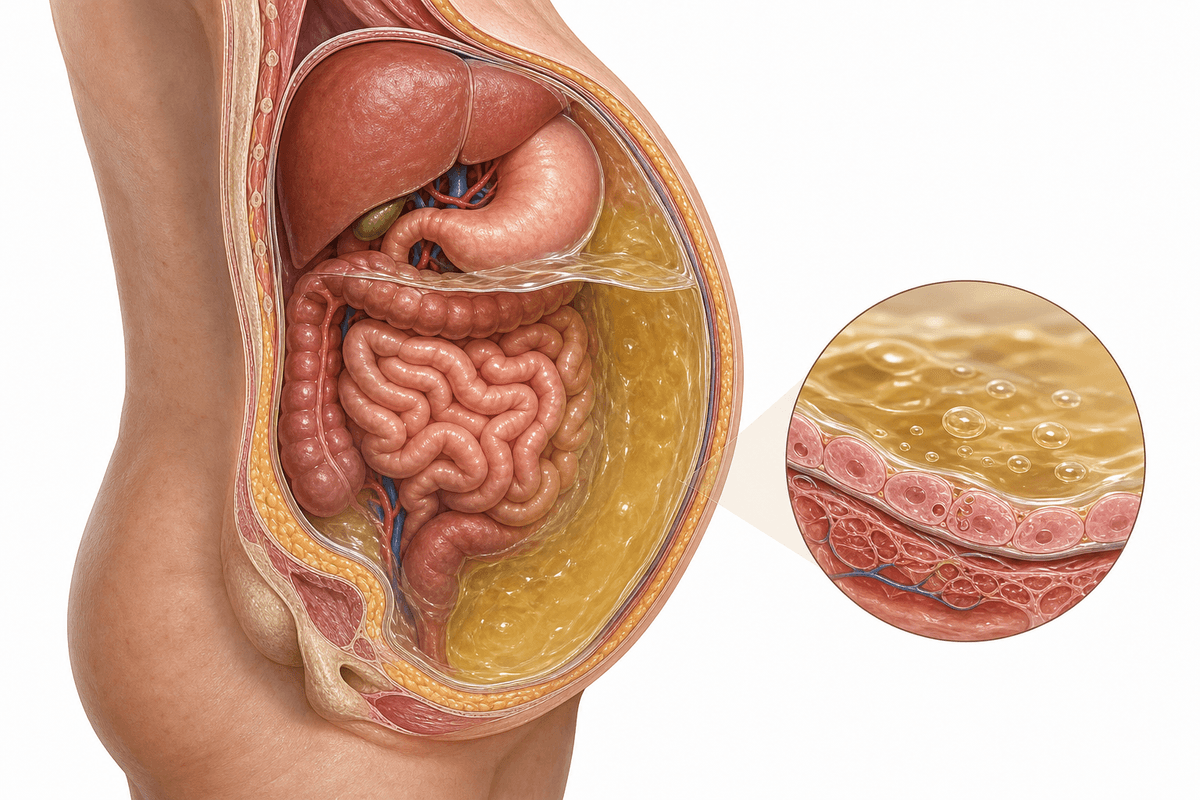
Ascites is an abnormal accumulation of fluid in the abdominal cavity that affects patients in Visakhapatnam and requires specialized gastroenterological care. This condition can result from various underlying diseases including liver cirrhosis, cancer, heart failure, and kidney disease, leading to abdominal distension and discomfort. Dr Ravi Chandra Reddy Obili provides comprehensive evaluation and treatment for ascites using advanced diagnostic techniques and evidence-based therapeutic approaches.
Caused by increased pressure in portal veins or low protein levels in blood, commonly seen in liver cirrhosis, heart failure, and nephrotic syndrome. Fluid has low protein content and is typically straw-colored.
Results from inflammation, infection, or malignancy affecting the peritoneal lining. Fluid contains high protein levels and may be cloudy or bloody, often seen in peritoneal tuberculosis, cancer, or pancreatitis.
Occurs when cancer cells spread to the peritoneum, most commonly from ovarian, gastric, pancreatic, or colorectal cancers. Fluid accumulation is rapid and often refractory to standard treatments, requiring specialized oncological management.
Multiple factors can contribute to the development and progression of this condition.
Ascites develops gradually. Recognising symptoms early gives you more treatment options.
From conservative to surgical — we always start with the least invasive option first.
A structured, patient-first approach from first visit to full recovery.
Dr Ravi Chandra Reddy Obili conducts thorough clinical examination, ultrasound imaging, and diagnostic paracentesis with fluid analysis to determine the underlying cause and classify ascites type, along with blood tests to assess liver, kidney, and cardiac function.
Based on ascites severity and underlying etiology, Dr Obili develops an individualized management plan incorporating dietary modifications, appropriate medication regimens, and determines the need for interventional procedures or specialist referrals.
Dr Ravi Chandra Reddy Obili performs ultrasound-guided therapeutic paracentesis safely in the clinic setting, ensuring proper technique with albumin replacement, and coordinates TIPS procedures or surgical interventions when indicated for refractory cases.
Regular follow-up appointments include monitoring for spontaneous bacterial peritonitis, hepatorenal syndrome, and treatment response through clinical assessment, laboratory tests, and imaging, with prompt adjustment of therapy to optimize outcomes and quality of life.
What to expect at each phase of recovery.
Following paracentesis or initiation of diuretic therapy, patients experience reduction in abdominal distension, improved breathing, and enhanced mobility within 24-72 hours. Daily weight monitoring and adherence to sodium restriction are critical during this phase.
Over 2-4 weeks, diuretic doses are adjusted to achieve optimal fluid balance without electrolyte disturbances or kidney dysfunction. Patients learn to recognize early signs of fluid reaccumulation and maintain dietary compliance with nutritional support.
Ongoing treatment of underlying disease with regular monitoring prevents ascites recurrence. Patients maintain low-sodium diet, continue medications as prescribed, and attend scheduled follow-ups for early detection of complications or treatment failure requiring escalation of therapy.
With appropriate medical management, 80-90% of patients achieve satisfactory control of ascites, experiencing reduced abdominal discomfort, improved breathing, better mobility, and enhanced ability to perform daily activities and maintain nutritional intake.
Effective outpatient management with regular paracentesis and optimized diuretic therapy decreases emergency visits and hospital admissions for tense ascites or related complications, allowing patients to remain stable in the community setting.
Vigilant monitoring and prompt treatment of ascites prevents life-threatening complications including spontaneous bacterial peritonitis, hepatorenal syndrome, respiratory compromise, and umbilical hernia rupture, significantly improving patient survival and outcomes.
Addressing the root cause whether cirrhosis, malignancy, or heart failure through comprehensive care improves overall prognosis. Eligible patients may achieve cure through liver transplantation while others benefit from ongoing multidisciplinary management coordinated by Dr Ravi Chandra Reddy Obili.
Untreated ascites progressively worsens, leading to severe abdominal distension, respiratory failure, and immobility. Patients face high risk of spontaneous bacterial peritonitis, a life-threatening infection with mortality rates exceeding 30%, along with hepatorenal syndrome, malnutrition, and significantly reduced survival. Early intervention by a specialist like Dr Ravi Chandra Reddy Obili is essential to prevent these devastating complications.
Seek immediate medical attention if you develop progressive abdominal swelling, unexpectedly rapid weight gain, new ankle swelling, or difficulty breathing. Patients with known liver disease, cancer, or heart failure should consult Dr Ravi Chandra Reddy Obili promptly if experiencing these symptoms. Emergency evaluation is necessary if fever, abdominal pain, confusion, or decreased urine output occur, as these may indicate serious complications requiring urgent treatment.
Early treatment means more options and better outcomes. Book a consultation to understand your condition and explore the right path forward.