Treated by Dr. Ravi Chandra Reddy Obili at Dr Ravi Chandra Reddy
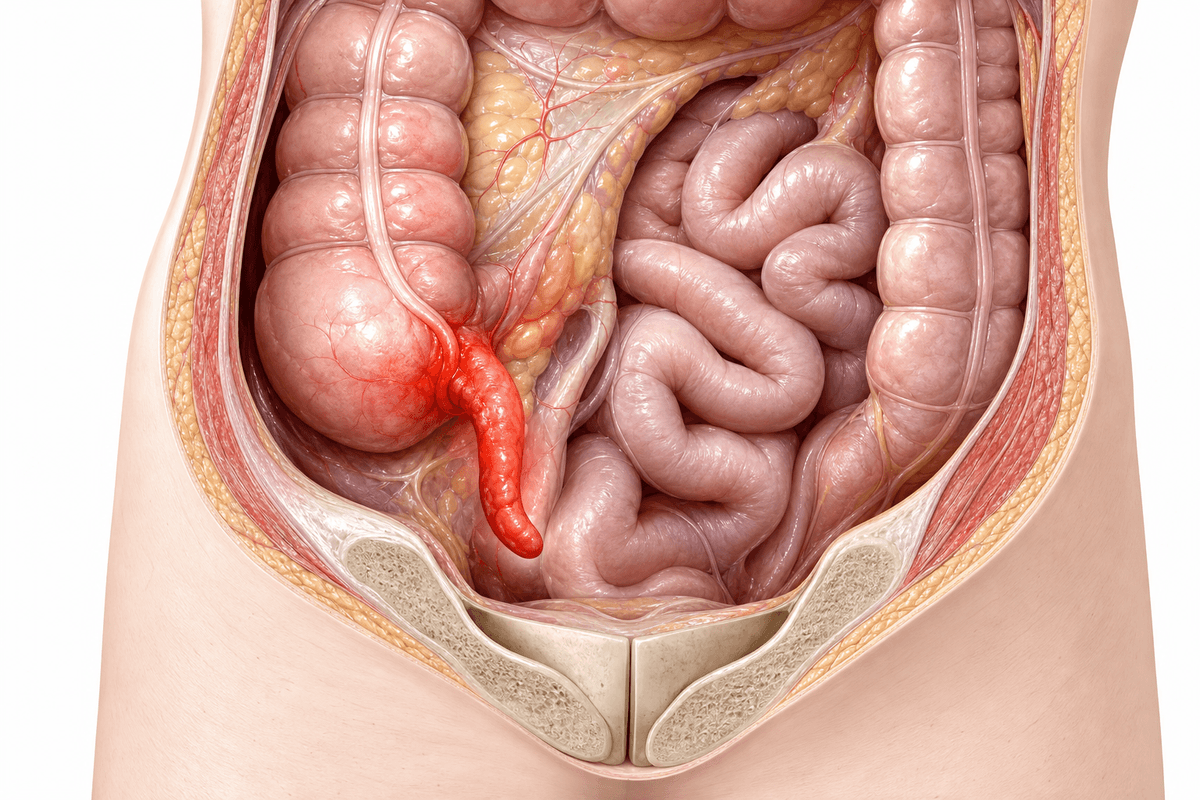
Appendicitis in Visakhapatnam is a surgical emergency requiring prompt diagnosis and treatment to prevent serious complications. This condition occurs when the appendix becomes inflamed and infected, typically requiring surgical removal. Dr Ravi Chandra Reddy Obili, a leading Surgical Gastroenterologist in Visakhapatnam, provides expert diagnosis and advanced laparoscopic treatment for appendicitis with minimal recovery time.
The most common form characterized by sudden onset of inflammation, typically requiring emergency surgical intervention within 24-48 hours to prevent perforation and peritonitis.
A rare form with recurrent episodes of mild abdominal pain and inflammation that resolves spontaneously, but may eventually require elective appendectomy to prevent acute episodes.
A severe complication where the inflamed appendix ruptures, releasing infectious contents into the abdominal cavity, causing peritonitis and requiring urgent surgical intervention with antibiotics.
Multiple factors can contribute to the development and progression of this condition.
Appendicitis develops gradually. Recognising symptoms early gives you more treatment options.
From conservative to surgical — we always start with the least invasive option first.
A structured, patient-first approach from first visit to full recovery.
Dr Ravi Chandra Reddy Obili performs a thorough physical examination focusing on abdominal signs, reviews your medical history, and orders immediate blood tests and imaging studies including ultrasound or CT scan to confirm the diagnosis and assess severity of appendicitis.
Based on diagnostic findings, Dr Obili determines the optimal surgical approach—laparoscopic or open appendectomy—considering factors such as degree of inflammation, presence of perforation, patient age, and overall health status to ensure the best possible outcome.
Dr Ravi Chandra Reddy Obili performs the appendectomy using minimally invasive laparoscopic techniques whenever possible, ensuring precise removal of the appendix with minimal tissue trauma, reduced postoperative pain, and faster recovery while maintaining the highest surgical safety standards.
Following surgery, Dr Obili provides detailed recovery instructions, pain management protocols, wound care guidance, and schedules follow-up appointments to monitor healing, prevent complications, and ensure complete recovery with return to normal activities within the expected timeframe.
What to expect at each phase of recovery.
Hospital stay for observation with pain management, gradual introduction of oral fluids and diet, mobilization within 6-12 hours after laparoscopic surgery, monitoring for signs of infection or complications, and removal of IV lines once tolerating oral intake.
Gradual return to light activities with avoidance of heavy lifting, continued wound care and infection monitoring, progressive dietary advancement to regular foods, management of residual discomfort, and first follow-up appointment to assess healing and remove sutures if needed.
Complete return to normal activities including exercise and work, full wound healing with minimal scarring from laparoscopic approach, resolution of all postoperative symptoms, final follow-up to ensure complete recovery, and clearance for unrestricted physical activities.
Over 95% success rate with complete resolution of appendicitis and prevention of recurrence. Laparoscopic approach offers superior cosmetic results with minimal visible scarring and faster return to daily activities compared to traditional open surgery.
Most patients undergoing laparoscopic appendectomy return home within 24-48 hours and resume normal activities within 1-2 weeks. Minimal postoperative pain and reduced risk of wound complications allow for quicker return to work and regular lifestyle.
Timely surgical intervention prevents potentially fatal complications including peritonitis, sepsis, abscess formation, and bowel obstruction. Emergency appendectomy significantly reduces mortality and morbidity associated with perforated appendicitis and widespread infection.
Complete elimination of appendicitis risk with no long-term adverse effects on digestion or overall health. Patients experience relief from pain and anxiety, with excellent long-term outcomes and ability to maintain normal dietary habits and physical activities without restrictions.
Untreated appendicitis progresses rapidly to perforation within 48-72 hours, causing life-threatening peritonitis and sepsis with mortality rates up to 5-10%. The infection can spread throughout the abdominal cavity forming abscesses, leading to bowel obstruction, septic shock, and multi-organ failure. Delayed treatment significantly increases surgical complexity, hospital stay duration, complication rates, and overall healthcare costs while dramatically reducing survival rates.
Early treatment means more options and better outcomes. Book a consultation to understand your condition and explore the right path forward.